
Chess Game Development Services: The Ultimate Guide
Chess Game Development Services

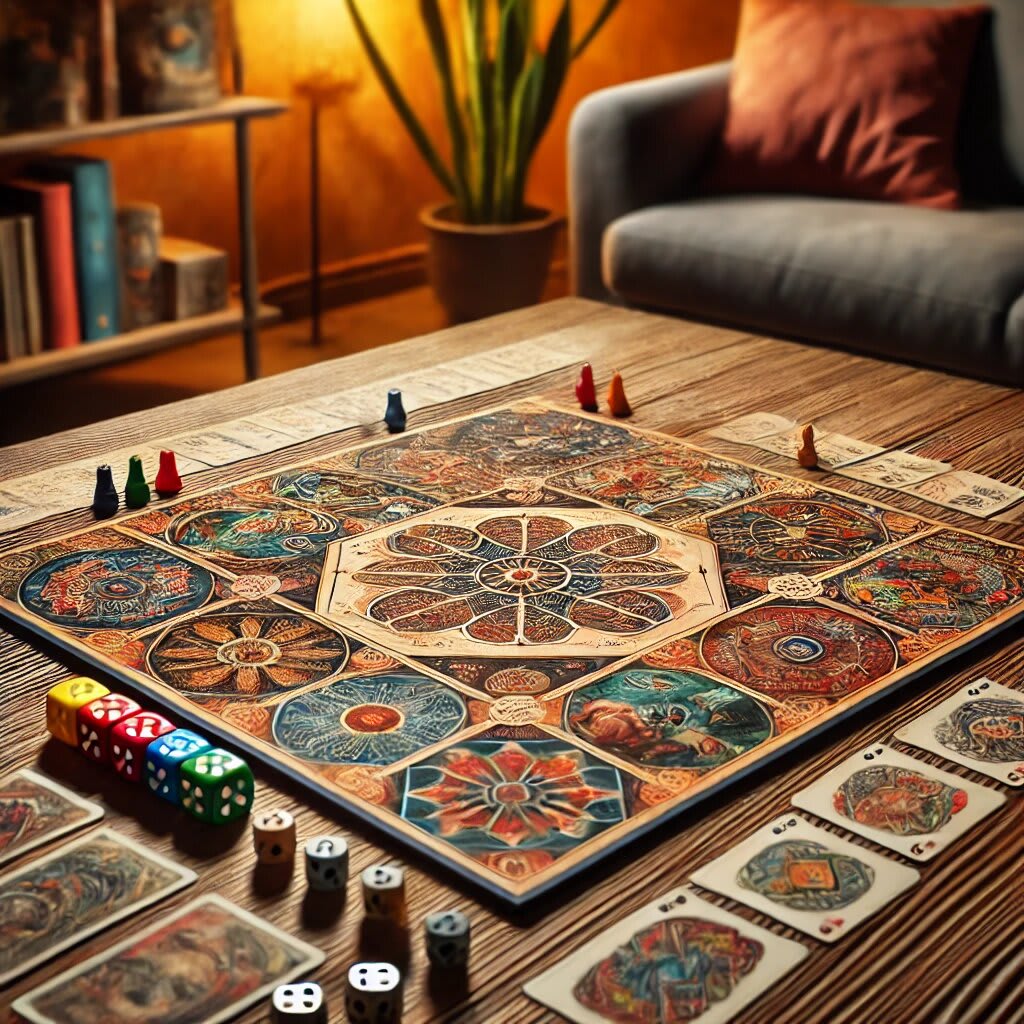
Chess is not just a game; it's a world of strategy, intellect, and deep thinking that has fascinated people for centuries. In recent years, the digital transformation has brought this classic game to millions of screens worldwide. Whether you're a casual player, a seasoned grandmaster, or a chess lover, there's a place for you in the virtual chess world. For businesses looking to tap into this growing demand, chess game development services have become an invaluable resource.
But how exactly do you go about creating a successful chess game, and what services are involved in bringing your vision to life? This guide will take you through everything you need to know about chess game development services, the trends shaping the industry, and why this is a space worth investing in.
1. Customizing the Chess Experience
When it comes to building a chess game, one size does not fit all. What excites players is not only the game itself but the ability to personalize it to suit their needs. Customization can range from game settings and themes to rules and interfaces. If you’re aiming to create a game that stands out, offering customized options is key.
Why It Matters:
Personalization can be a game-changer in today’s market. Players love to have options that reflect their style, whether it’s through themes, chess pieces, or even different chess board designs.
Custom gameplay modes are also a great addition. From blitz games to longer, more strategic matches, allowing players to choose their preferred game format keeps things fresh and exciting.
2. Artificial Intelligence: The Smart Opponent
One of the most exciting trends in chess game development is the integration of Artificial Intelligence (AI). AI-powered chess engines like Stockfish are helping developers create games that challenge players at every level, from beginners to seasoned pros. What makes AI so valuable is its ability to simulate a human opponent's behavior, making each game unique.
Why It Matters:
AI can adjust to player skill levels, offering a balanced experience. Beginners can start off with an easier opponent, while experts can face off against challenging AI.
AI-enhanced chess games can provide real-time feedback, suggesting better moves or strategies to players, helping them improve their skills.
Endless replayability: Unlike traditional chess games, AI opponents don’t follow a fixed pattern, ensuring no two games are ever the same.
3. Building a Chess App: Accessibility at Your Fingertips
The beauty of chess today lies in its accessibility. Gone are the days when you had to find a physical board to play the game. With a chess game app, players can indulge in a match anywhere, anytime. Creating a seamless, high-quality app is no small feat, but with the right development team, it's entirely possible.
Why It Matters:
Mobile apps allow players to play chess on-the-go. Whether it's during a break at work or on the way home from school, mobile apps bring chess to players in ways never imagined before.
Real-time multiplayer options mean that players can challenge their friends or compete with opponents from around the world. Social integration is a big factor in app success, allowing for community-building and tournaments.
Cross-platform development ensures that your app works seamlessly on iOS, Android, and even desktops, reaching a larger audience.
4. Chess Game Platforms: More Than Just a Game
If you’re thinking bigger, you might want to consider creating an entire chess platform. A platform can serve as a hub for chess enthusiasts, offering not only game-play but also community features, learning resources, and competitive tournaments. Platforms like Chess.com and Lichess have become go-to destinations for players of all levels. But how can you replicate or build upon this success?
Why It Matters:
Tournaments and Leaderboards create excitement. Organizing local, national, or even international tournaments attracts more players and keeps them engaged.
Community features such as forums, private messaging, and even live streams enhance player engagement. People want to feel like part of a bigger chess community, and integrating these features adds a social dimension.
Learning resources: Chess tutorials, puzzle challenges, strategy guides, and more. Providing educational content makes your platform more than just a place to play—it becomes a destination for learning and improvement.
5. UI/UX Design: The Heart of the Player’s Experience
Creating a chess game isn’t just about functionality. It’s about making the experience enjoyable and user-friendly. A clean, intuitive interface can make the difference between a player staying engaged or abandoning the game midway. That’s why investing in solid UI/UX design is crucial.
Why It Matters:
Simplicity and clarity: Chess, at its core, is a simple game. But adding too many bells and whistles can confuse players. A clean, simple design that emphasizes the game’s core elements will always resonate more.
Responsive design ensures that players have a smooth experience, no matter what device they use, whether it’s a smartphone, tablet, or desktop computer.
Animation and aesthetics: Subtle animations, like smooth piece movements or special effects for winning moves, add to the immersive experience and keep players coming back.
6. Monetization Strategies: Turning Passion into Profit
If you’re developing a chess game or platform, you’re likely wondering how to turn it into a sustainable business. Fortunately, there are plenty of monetization options that align with the nature of chess games.
Why It Matters:
Freemium models allow players to enjoy the basic game for free while offering paid upgrades, such as premium game modes, AI opponents, or custom chess sets.
In-app purchases for special themes, chess sets, and pieces can appeal to players who want to add a personal touch to their game.
Subscription models: Offering subscriptions for advanced features like access to higher-level AI, exclusive tutorials, or ad-free gameplay can provide a steady stream of income
7. Security and Fair Play: Keeping the Game Honest
With millions of people playing online chess, ensuring the integrity of the game is vital. Players need to trust that they are competing fairly, and that the game isn’t rigged or hacked. This is where security becomes an essential part of the chess game development process.
Why It Matters:
Anti-cheat systems ensure that players aren’t using unfair tactics, like chess engines or bots, to win games.
Data protection: With sensitive user data, including payment details and personal information, strong security protocols must be in place to keep everything safe.
Conclusion: Why Chess Game Development Is Worth It
Whether you’re building a chess app, an online platform, or a full-scale chess game, the possibilities are endless. The world of chess is growing digitally, and there is more demand than ever for high-quality, engaging, and well-designed games. If you’ve got an idea for a chess game, now is the time to bring it to life.
About the Creator
PixelPlayground
PixelPlayground creates 1,000+ unique games across mobile, PC, and web. From casual fun to strategy, we deliver unforgettable gaming experiences for players worldwide.
Keep reading
More stories from PixelPlayground and writers in 01 and other communities.
Challenges in Poker Game Development and their Solutions
Developing a poker game app is not rocket science, however, it comes with its own set of challenges. For example, designing a user interface that stands apart in the plethora of online poker rooms available in the market.
By PixelPlaygroundabout a year ago in 01
Hyper-Personalization in 2026: The Indi IT Solutions Approach to AI-Driven UX
The digital landscape of 2026 has moved beyond the era of responsive design and static templates. Today, a premium mobile experience is no longer defined by how well it fits a screen, but by how accurately it anticipates a human need. At Indi IT Solutions, we have observed a fundamental shift: users no longer "navigate" apps; they interact with fluid ecosystems that evolve in real-time.
By Devin Rosario2 days ago in 01
Pierre Poilievre Leadership Vote
The Pierre Poilievre leadership vote has become a defining moment for Canada’s Conservative Party, drawing national attention to questions of party unity, strategy, and direction. Leadership reviews are not unusual in Canadian politics, but this particular conservative leadership review carried extra weight because of Poilievre’s high public profile and his role as one of the most outspoken opposition leaders in recent years.
By Saboor Brohi 7 days ago in 01
Should We Not Try to Get Too Political?
Here's something you often hear people say, "I try not to get too political." I understand the sentiment and I sympathize with it... while at the same exact time, I completely disagree with the notion. Whether it's referring to social media or wherever, it's kind of unavoidable. You can attempt to sidestep it, not engage, leave the less important things for actual politicians to discuss... you can want it to not take over your life, your conversations, your relationships, and that makes perfect sense.
By Stephen Kramer Avitabile2 days ago in Writers




Comments (1)
Hiring a professional chess game development company ensures that all these components come together seamlessly. For a comprehensive experience, developers should also focus on user engagement and community building to create a https://apkrin.com/games/scatter-slots-mod-apk/ loyal player base.