
Comprehensive Guide to Medical Treatment for Depression
Medical Treatment for Depression


Introduction
Depression, a pervasive mental health condition, casts a long shadow over millions of lives worldwide. Its grip extends beyond mere sadness, affecting thoughts, behaviors, and daily routines. For those affected and their loved ones, seeking medical treatment for depression is a crucial step toward recovery and an improved quality of life. This guide delves into the latest and most effective medical treatments for depression, providing an evidence-based overview of the options available today.Understanding the Depths of Depression
Depression is more than a fleeting bout of sadness. It's a complex mental health disorder that can manifest in various ways, including:
- Persistent sadness or low mood
- Loss of interest in previously enjoyed activities
- Difficulty concentrating or making decisions
- Changes in appetite and sleep patterns
- Feelings of worthlessness, guilt, or hopelessness
- Physical symptoms like fatigue, aches, and pains
The roots of depression are diverse, often intertwining genetic, biological, environmental, and life event factors. Understanding these underlying causes is key to tailoring effective treatment plans.
A Multifaceted Approach to Treatment
A comprehensive approach to depression often involves a combination of treatments:
1. Medication: A Chemical Balance
Antidepressants are frequently the first line of defense, especially for moderate to severe depression. These medications work by adjusting the levels of neurotransmitters in the brain, influencing mood and emotional state. Common types include:
- Selective Serotonin Reuptake Inhibitors (SSRIs): Well-known for their relatively mild side effects, SSRIs like fluoxetine (Prozac) and sertraline (Zoloft) are often prescribed first.
- Serotonin-Norepinephrine Reuptake Inhibitors (SNRIs): Venlafaxine (Effexor) and duloxetine (Cymbalta) are examples of SNRIs, which increase both serotonin and norepinephrine levels.
- Tricyclic Antidepressants (TCAs): While effective, TCAs like amitriptyline and nortriptyline carry a higher risk of side effects and are often reserved for cases resistant to other treatments.
- Monoamine Oxidase Inhibitors (MAOIs): MAOIs, such as phenelzine (Nardil), are less commonly prescribed due to dietary restrictions but can be highly effective for certain individuals.
2. Psychotherapy: A Mindful Approach
Psychotherapy, or talk therapy, is a powerful tool in managing depression. Different therapeutic approaches can be effective, either alone or in conjunction with medication:
- Cognitive Behavioral Therapy (CBT): CBT helps individuals identify and challenge negative thought patterns and behaviors that contribute to depression.
- Interpersonal Therapy (IPT): IPT focuses on improving communication skills and relationships, addressing interpersonal factors that may exacerbate depressive symptoms.
- Psychodynamic Therapy: This therapy explores unconscious thoughts and past experiences to uncover underlying issues contributing to depression.
3. Advanced Techniques: A Technological Edge
For severe, treatment-resistant depression, advanced techniques may offer relief:
- Electroconvulsive Therapy (ECT): ECT involves sending small electrical currents through the brain to trigger a controlled seizure, which can alter brain chemistry and alleviate depressive symptoms. While often misunderstood, ECT has proven to be a life-saving option for many.
- Transcranial Magnetic Stimulation (TMS): TMS uses magnetic fields to stimulate nerve cells in the brain involved in mood regulation. It's particularly effective for individuals who haven't responded to antidepressants.
- Ketamine and Esketamine: These medications have emerged as innovative treatments for resistant depression, often providing rapid relief of severe symptoms and suicidal ideation.
4. Lifestyle Modifications: A Holistic Approach
While lifestyle changes alone may not cure major depressive disorder, they can significantly enhance the effectiveness of other treatments:
- Regular Exercise: Physical activity boosts mood-enhancing neurotransmitters like serotonin and endorphins.
- Balanced Diet: A diet rich in omega-3 fatty acids, vitamins, and minerals supports brain health and overall well-being.
- Mindfulness and Meditation: These practices can help reduce stress and manage depressive symptoms.
- Light Therapy: For Seasonal Affective Disorder (SAD), light therapy can regulate circadian rhythms and alleviate seasonal depression symptoms.
A Personalized Path to Recovery
Depression treatment is not a one-size-fits-all approach. For optimal results, it's crucial to work closely with mental health professionals to develop a personalized treatment plan tailored to individual needs, preferences, and symptoms. A combined approach may involve a combination of medications, therapies, and lifestyle modifications to maximize benefits.
Navigating Side Effects and Considerations
While many treatments are highly effective, it's essential to be aware of potential side effects and interactions with other medications. Open communication with healthcare providers is key to managing or mitigating these effects and ensuring a positive treatment experience.
Embracing Hope and Taking the First Step
Overcoming depression requires courage, persistence, and a supportive network. By understanding the diverse range of medical treatments available, individuals can take informed steps towards recovery. Whether it's medication, therapy, advanced techniques, or lifestyle modifications, there is hope for those struggling with depression.
About the Creator
Keep reading
More stories from Nikki James and writers in 01 and other communities.
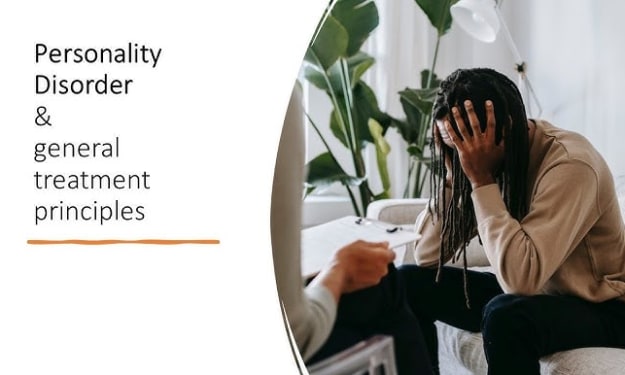
Personality Disorder Treatment: A Comprehensive Guide
Personality disorders are a group of mental health conditions characterized by enduring patterns of thinking, feeling, and behaving that deviate markedly from the expectations of the individual’s culture. These patterns often lead to distress or problems functioning and can significantly impact relationships, work, and daily activities. Understanding and seeking effective treatment for personality disorders can greatly improve the quality of life for those affected.
By Nikki Jamesabout a year ago in 01
If You Write A Book, Don’t Tell Anyone
There are days when I’m grateful Amazon doesn’t tell me specifically who has bought my book and who hasn’t. If they did, I would be heartbroken when I read the list and noticed all the important names in my life were not on my list of customers.
By Ellen Frances5 days ago in Writers



Comments
There are no comments for this story
Be the first to respond and start the conversation.