
Demystifying the Dark Web
Exploring its Realities and Myths


The internet is a vast and multifaceted entity, with layers extending beyond the familiar surface web that most users interact with daily. One such lesser-known domain is the Dark Web, often shrouded in mystery and subject to widespread misconceptions. While the media frequently portrays it as a hotbed for illicit activity, the reality is more nuanced and deserves closer examination. This article aims to demystify the Dark Web by exploring its functions, legitimate uses, and the risks associated with its exploration, providing a clearer perspective on its role within the broader internet ecosystem.
Understanding the Dark Web
The internet consists of three primary layers: the surface web, the deep web, and the dark web. The surface web includes publicly accessible websites indexed by search engines like Google, making up only a small fraction of the total internet content. The deep web encompasses content that is not indexed, such as private databases, academic journals, medical records, and subscription-based services, which require authentication or special permissions to access. The Dark Web, however, is a subset of the deep web that requires specialized software, such as Tor (The Onion Router), to access. It operates on encrypted networks, ensuring anonymity for both users and website operators, allowing for secure communications and transactions beyond conventional internet regulations.
Common Myths and Misconceptions
Despite its secretive nature, not everything on the Dark Web is illegal or nefarious. Let’s examine some common myths and the truth behind them:
Myth: The Dark Web is only used for illegal activities.
Reality: While illegal marketplaces for drugs, weapons, and stolen data exist, the Dark Web also hosts privacy-focused forums, journalism platforms, and communication channels for dissidents in oppressive regimes.
Myth: Accessing the Dark Web is illegal.
Reality: Merely visiting the Dark Web is not unlawful in most countries. However, engaging in illegal activities while using it is subject to prosecution.
Myth: The Dark Web is the same as the Deep Web.
Reality: The Deep Web refers to all online content not indexed by search engines, such as email accounts and academic databases, while the Dark Web is a specific encrypted section requiring special access tools.
Legitimate Uses of the Dark Web
Despite its reputation, the Dark Web provides essential services that promote free speech, privacy, and security. Some notable examples include:
1. Whistleblower Platforms: Websites like SecureDrop allow journalists to receive confidential information from anonymous sources.
2. Privacy Advocacy: Many organizations use the Dark Web to provide secure communication channels for those living under restrictive governments.
3. Cryptocurrency and Financial Privacy: Cryptocurrency forums discuss blockchain developments and financial privacy tools.
4. Academic and Research Communities: Some researchers use the Dark Web to collaborate on cybersecurity and cryptography projects.
Risks and Precautions
While there are legitimate uses for the Dark Web, it does come with inherent risks, including exposure to illegal content, scams, and malware. Those who explore it should take precautions:
1. Use a VPN and Tor: Combining a virtual private network (VPN) with Tor enhances anonymity and security.
2. Avoid Unverified Links: Many websites contain harmful software that can compromise devices.
3. Do Not Share Personal Information: Any disclosure of identity can lead to potential threats or scams.
3. Stay Within Legal Boundaries: Engaging in illegal transactions or activities can result in legal consequences.
The Dark Web is a complex and often misunderstood part of the internet. While it does harbor illicit activities, it also serves as a crucial platform for privacy advocacy, free expression, and secure communication. Understanding the realities of the Dark Web helps dispel myths and allows for a more informed perspective. As with any online activity, responsible and cautious exploration is key to staying safe while navigating this hidden realm.
About the Creator
Keep reading
More stories from Gustavo Woltmann and writers in 01 and other communities.
World War II
World War II, which lasted from 1939 to 1945, was the most extensive and deadliest conflict in human history. Engulfing virtually every part of the globe, it pitted the Allies — primarily the United States, the Soviet Union, the United Kingdom, and China — against the Axis powers — primarily Germany, Italy, and Japan. This war reshaped international relations, accelerated technological advancements, and profoundly altered the course of history.
By Gustavo Woltmann9 months ago in 01
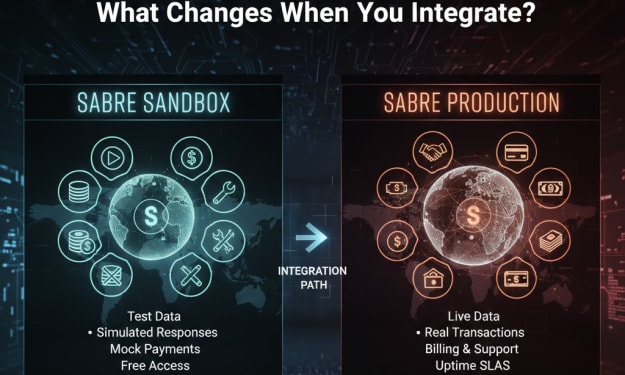
Sabre API Sandbox vs Production: What Changes When You Integrate?
Building a travel booking platform is exciting, but the real challenge begins when you move from testing to handling real users and real bookings. Many teams feel confident while working in a test environment, only to face unexpected issues when they go live. This is especially common when working with travel technology platforms, where data accuracy, pricing, and booking behavior can change dramatically outside a testing setup.
By Nico Gonzalez2 days ago in 01
The Battery of Trust: How Phone Charging Habits Relate to Honesty in Location Sharing
Hey there. Over years of building location-sharing tools, I've noticed a pattern that rarely gets discussed: the link between a phone's battery life and the health of a relationship built on digital trust. It sounds odd, right? But think about it. The most common technical excuse for a location tracker failing is, "My phone died." While sometimes true, this dead battery can often be a symptom, not just a cause—a digital tell that signals a deeper disconnect.
By Olivia Martinez7 days ago in 01
Off the Book
It ended like every other stupid idea. Badly, and alone. I’m researching digital confession ethics, he said. A tech ethicist. He gestured at floating data I couldn’t see then pulled out a physical notebook. Actual paper, fountain pen. He held it up like he was showing me scripture.
By Nicky Frankly5 days ago in Fiction



Comments