
Does My House Need Basement Encapsulation?
Evergreen Home Performance
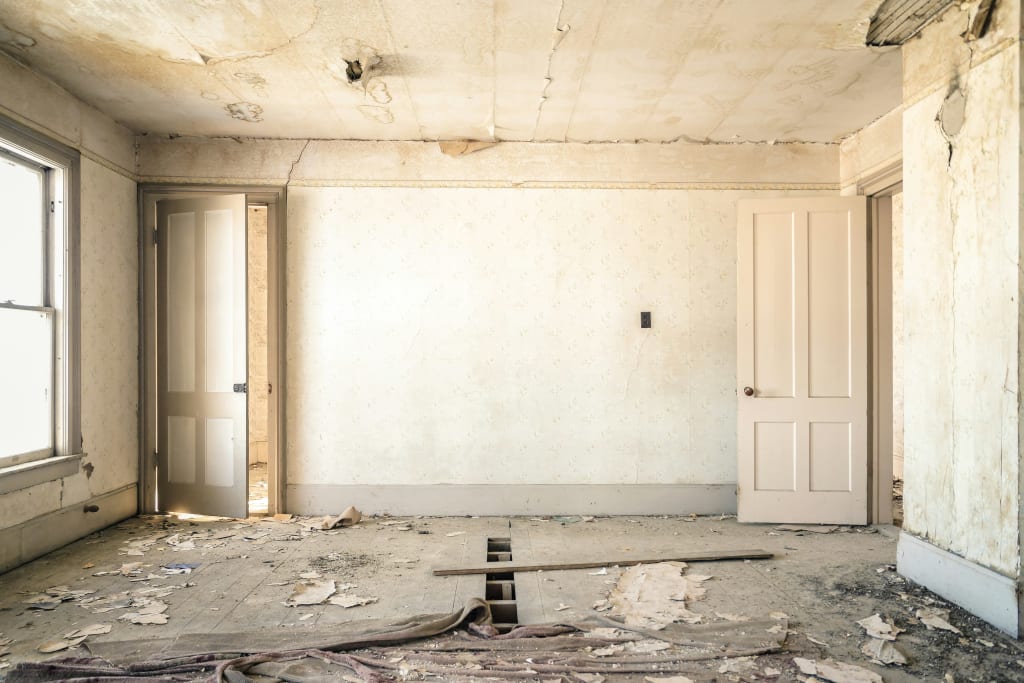
Basements in Southern and Coastal Maine can be tricky: long heating seasons, humid summers, foggy mornings, and older foundations all work against a dry, comfortable home.
This guide helps you decide whether your house needs simple preventive steps, a few targeted fixes, or a full basement encapsulation plan.
Who This Guide Is For
- Homeowners in Southern and Coastal Maine
- People planning energy upgrades, insulation, or moisture control
- First-time home energy audit customers who want clear steps and real savings
What “Basement Encapsulation” Means
Basement encapsulation is a package of steps that manage both moisture and air movement. It goes beyond adding insulation.
Most projects include:
- Air sealing at rim joists and penetrations
- A continuous floor and wall vapor barrier where appropriate
- Controlled drying with a dehumidifier or balanced ventilation, when needed
The goal is a dry, clean space that protects your home’s structure, improves comfort, and reduces wasted energy.
Why Basements in Maine Get Damp
Southern and Coastal Maine has:
- Long heating seasons and humid summers
- Coastal wind that pushes moist air into foundations
- Many older homes with fieldstone or block walls and thin slabs
- Open sumps, leaky bulkheads, and gaps at hatches
Cold basement walls cool indoor air, causing condensation. Over time, that can lead to musty odors, rust on tools and appliances, higher risk of mold on framing, and energy waste as your heating system fights damp, cold surfaces.
Quick Check: When to Consider Encapsulation
If you notice any of these, it’s worth looking deeper:
- Musty odors that return after cleaning
- Relative humidity (RH) in the basement above the mid-50s in summer
- Visible mold on joists or subfloor
- Rust on tools, appliances, or the water tank
- Condensation on pipes and ducts
- Cold floors and drafts in rooms above the basement in winter
How This Decision Framework Works
- You answer simple questions about moisture, odors, and comfort.
- You match those answers to an action level:
- Level 1: Preventive steps
- Level 2: Targeted fixes
- Level 3: Full basement encapsulation
- 3. You use examples from Maine homes to set your budget and timeline.
Action Level 1: Preventive Steps
Start here if your basement feels mostly dry, with only mild odors or occasional dampness.
- Extend downspouts and adjust grading so water sheds away from the foundation
- Seal and latch bulkhead and hatch covers to block humid outdoor air
- Air seal large gaps at the rim joist, plumbing, and wiring penetrations
- Insulate rim joists with rigid foam where they are dry
- Add pipe insulation to cold water lines that sweat
- Use a reliable hygrometer and track RH weekly in summer
These steps are relatively low cost and often reduce both moisture and drafts.
Action Level 2: Targeted Fixes
Move to this level if you have persistent musty odors, RH readings in the upper-50s to low-60s, or visible condensation.
- Install a continuous floor vapor barrier across exposed soil or thin slab areas
- Air seal and weather-strip the basement door to the outside
- Add a high-capacity dehumidifier with a drain to a sump or condensate pump
- Seal open sumps and install a gasketed cover
- Wrap support piers and seal seams to complete the vapor layer
Targeted fixes often make a noticeable difference without the cost of full encapsulation.
Action Level 3: Full Basement Encapsulation
Consider this level when:
- Humidity is consistently in the 60s or higher
- Mold, rust, or odors return quickly
- Your goal is long-term durability and energy savings
A full plan can include:
- Floor vapor barrier with sealed seams and wrapped piers
- Wall vapor barrier or foam board insulation, where appropriate
- Rim joist air sealing with rigid foam or spray foam
- Sealed, gasketed access doors and bulkhead improvements
- A high-efficiency dehumidifier or balanced ventilation for controlled drying
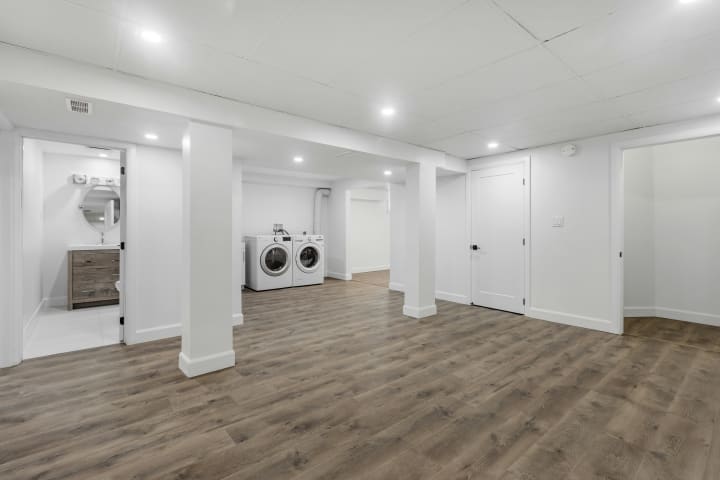
How Encapsulation Reduces Energy Use
Dry materials insulate better than damp ones. Encapsulation helps by:
- Reducing air leaks and drafts
- Warming basement surfaces, which cuts heat loss from ducts, tanks, and pipes
- Making upstairs rooms feel more stable in temperature
Many homeowners report that the house feels less “damp” overall once the basement is under control.
How to Read Basement Humidity
You don’t need special equipment—just a simple digital hygrometer.
- Place it away from floor drains and dehumidifier outlets
- Check readings in the morning and evening for at least a week
- Target around 50% RH in summer
Use the readings as a guide:
- Below mid-50s: Preventive steps may be enough
- Mid-50s to low-60s: Plan for targeted fixes and dehumidification
- Consistently in the 60s or higher: Consider a more comprehensive plan
Common Problems in Southern & Coastal Maine Basements
These patterns show up again and again:
- Unsealed dirt floors and thin slabs that let soil vapor rise
- Fieldstone or block walls with many air gaps
- Open or poorly sealed sumps
- Leaky bulkheads and hatch covers
- Rim joists that leak air at the sill and band
- Duct leakage that wastes heat into the basement instead of the living space
Local Examples and Results
Across towns like Portland, Falmouth, Rockland, Camden, Bath, Brunswick, York, Wells, and Kennebunk, the same pattern repeats: high summer humidity, leaky bulkheads or sumps, and thin slabs. After downspout extensions, sealed bulkheads and sumps, rim joist foam, and a right-sized dehumidifier, RH often drops from the 60s to around 50%. Odors fade, tools stop rusting, and floors above feel less drafty.
How a Home Energy Audit Fits In
A professional energy audit can strengthen your plan by showing how basement work fits with the rest of the house.
Typical audit tools include:
- A blower door to measure air leakage
- Infrared imaging to map heat loss
- Ventilation checks for health and safety
The result is a sequence of steps—attic, walls, basement, and mechanical ventilation—designed to work together and avoid rework.
Safety Checks During the Process
Any time you tighten up a house, safety comes first.
A qualified professional should:
- Check clearances and venting for combustion appliances
- Test for carbon monoxide, draft, and spillage before and after air sealing
- Confirm that exhaust fans move air to the outside
Basement work should never trap combustion fumes indoors.
Costs and Budgeting
Costs vary by size, access, and scope:
- Preventive steps: Lowest cost, often DIY-friendly
- Targeted fixes: More material and labor, but focused on the worst problems
- Full encapsulation: Higher upfront cost, but more durable and comprehensive
When you’re getting estimates, ask for:
- A written scope
- Details on materials and installation methods
- Before-and-after photos
- Humidity targets or performance goals
Rebates and Incentives
In many Maine communities, programs change from year to year, but incentives often favor comprehensive plans that include air sealing and insulation. Pairing basement work with an energy audit can help you qualify for the right support.
How to Choose a Provider
For older Maine homes, experience with local conditions matters.
Good questions to ask:
- How do you size dehumidification and design air distribution?
- Do you evaluate gutters, grading, and rim joist leakage?
- Have you worked with older fieldstone or block foundations?
Look for clear communication, written scopes, and a plan that matches both your moisture issues and your budget.
Working With Evergreen Your Home
Evergreen Your Home is an energy services company with offices in Portland and Rockland. Crews have completed projects in nearly 200 Maine communities, focusing on basement moisture management, air sealing, insulation, and ventilation. Their approach is to design basement plans that match the size, layout, and age of each home, and to pair encapsulation with whole-house energy improvements so results last.
What to Expect During a Professional Visit
Most professional assessments follow a similar pattern:
- Exterior check of water management and grading
- Interior inspection for open sumps, gaps, and moisture signs
- Temperature and humidity readings, plus volume estimates
- A scope that matches moisture sources and your budget
Benefits You Can Expect
When basement moisture is under control, homeowners often notice:
- Lower humidity and fewer musty odors
- Warmer, quieter floors above the basement
- Less condensation on tanks, pipes, and ducts
- More stable indoor humidity upstairs
Tying It All Together
The right basement encapsulation plan does three main things:
- Controls moisture at the source: gutters, grading, bulkheads, and soil vapor.
- Reduces air leaks: especially at rim joists, doors, and sumps.
- Adds a continuous barrier and controlled drying: floor and wall vapor layers plus properly sized dehumidification or ventilation.
With a clear decision framework and examples from real Maine homes, you can choose the action level—preventive, targeted, or full encapsulation—that makes sense for your house and your budget.
About the Creator
Keep reading
More stories from Jared Benning and writers in 01 and other communities.
Bank & Credit Union Security in Denver: 7 Controls Examiners Expect
Examiners notice more than ratios and written policies when they walk into a branch. They see blind corners, unsecured doors, confused staff, and lobby chaos long before they open a file. For banks and credit unions in and around Denver, those details can shape how comfortable exam teams feel with your overall risk management.
By Jared Benning2 months ago in 01
Building a Home Gym on a Budget: The Power of an Adjustable Dumbbell Set
Creating a home gym is one of the smartest decisions you can make for your health, time, and wallet. Many people believe that setting up a home workout space requires expensive machines and lots of room. In reality, you can build a highly effective home gym using affordable gym equipment, and one of the most important pieces you can own is an adjustable dumbbell set.
By Apollo Fitness7 days ago in 01
One Unchecked Box
"Republished" because it was the only way to add the embed for the newly recorded audio version of this story due to the Top Story badge. Plus it serves as a nice, informal announcement of the podcast's revival for another season (go subscribe!):
By Stephen A. Roddewig7 days ago in Fiction


Comments
There are no comments for this story
Be the first to respond and start the conversation.