
Fetal and Neonatal Care Equipment: Global Market Dynamics
Fetal and Neonatal Care Equipment Market: Advancing Newborn Survival Through Innovation and Critical Care Technologies

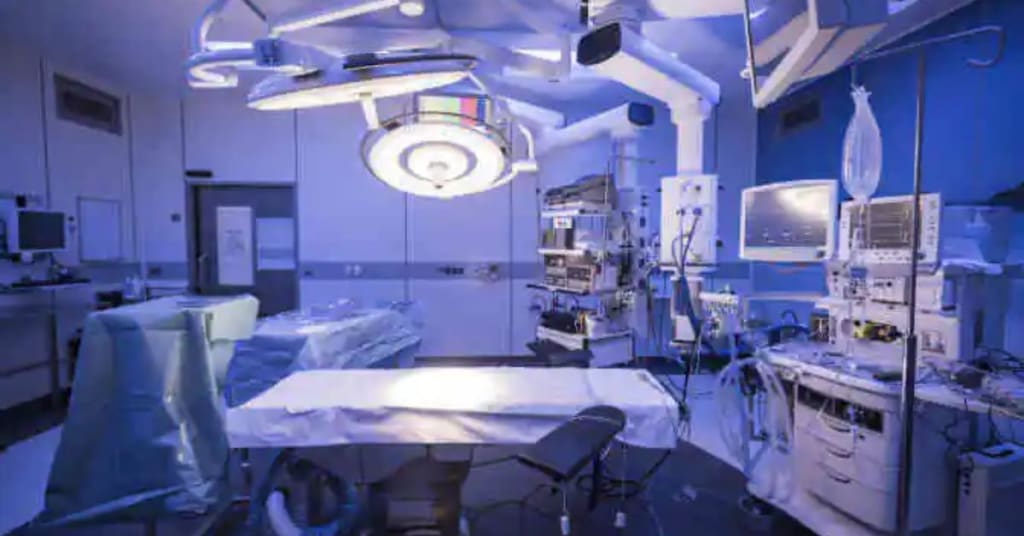
The Fetal and Neonatal Care Equipment market is a critical segment of the healthcare industry, focused on the specialized needs of neonates (newborns up to 28 days) and the monitoring of fetal health during pregnancy. Driven by rising preterm birth rates and a global push to reduce infant mortality, the market is evolving from basic life-support systems to highly integrated, data-driven platforms.
1. Market Segmentation by Product Category
The market is broadly divided into two primary categories:
Fetal Care Equipment
Ultrasound Systems: The gold standard for prenatal screening, focusing on high-resolution imaging and 3D/4D visualization of fetal development.
Fetal Monitors: Used to track fetal heart rate (FHR) and uterine contractions. The trend is moving toward wireless and wearable patches that allow for maternal mobility.
Fetal Dopplers: Handheld devices for basic heart rate monitoring, increasingly popular in both clinical and home settings.
Neonatal Care Equipment
Respiratory Devices: Includes neonatal ventilators, CPAP (Continuous Positive Airway Pressure) systems, and oxygen analyzers. High-frequency oscillatory ventilation (HFOV) is a key area of growth for fragile lungs.
Incubators & Warmers: Vital for thermoregulation. Modern "hybrid" beds combine the features of an incubator and an open radiant warmer to minimize the handling of the infant.
Phototherapy Equipment: Systems used to treat neonatal jaundice. The shift is from overhead lamps to fiber-optic blankets (Bili-blankets) that allow for parent-child bonding during treatment.
Neonatal Monitoring: Specialized sensors for pulse oximetry, ECG, and blood pressure tailored for the sensitive skin of premature infants.
2. Key Market Drivers
Rising Preterm Birth Rates: According to the WHO, an estimated 13.4 million babies were born preterm in 2020. This remains the leading cause of death for children under 5, necessitating advanced NICU infrastructure.
Technological Convergence: Integration of AI and Machine Learning into monitoring systems to predict distress or sepsis before clinical symptoms appear.
Government Initiatives: Global programs like "Every Newborn: An Action Plan" are driving investment in neonatal healthcare infrastructure in emerging economies.
Delayed Motherhood: The trend of increasing maternal age in developed nations is associated with a higher risk of pregnancy complications, fueling demand for advanced prenatal screening.
3. Major Trends and Innovations
The "Smart NICU": Interconnected devices that feed data into a centralized Electronic Health Record (EHR), reducing "alarm fatigue" for nursing staff through intelligent filtering.
Family-Centered Care: Equipment design is shifting to be less "industrial," focusing on noise reduction and allowing for "Kangaroo Care" (skin-to-skin contact) while the infant remains monitored.
Miniaturization: Development of ultra-small, flexible, and wireless sensors that replace the traditional "tangle of wires" in the incubator, reducing skin trauma for micro-preemies.
Tele-Neonatology: Remote monitoring capabilities that allow specialists in urban centers to guide care in rural or community hospitals.
4. Regional Perspectives
North America: Leads the market due to high healthcare spending, advanced NICU facilities, and early adoption of premium technologies like high-end ventilators.
Asia-Pacific: Expected to be the fastest-growing region. Massive population bases in India and China, combined with improving healthcare access and government subsidies for maternal health, are driving volume demand.
Europe: Focused heavily on sustainability and stringent regulatory standards (MDR) for medical device safety and data privacy.
5. Challenges and Constraints
High Cost of Equipment: Advanced neonatal ventilators and hybrid incubators represent significant capital expenditure, which can be a barrier for hospitals in low-income regions.
Lack of Skilled Professionals: The specialized nature of neonatology requires highly trained staff; a global shortage of neonatal nurses and neonatologists limits the effective utilization of high-tech equipment.
Stringent Regulatory Hurdles: The "pediatric gap" in clinical trials makes it difficult and time-consuming to get new neonatal devices approved compared to adult medical devices.
Strategic Outlook
The future of the market lies in Non-Invasive Monitoring. The goal is to move away from painful blood draws and skin-irritating adhesives toward optical sensors and sweat-based diagnostics. Companies that can provide holistic "care suites" rather than standalone devices are expected to capture the highest market share in the coming decade.
About the Creator
Rahul Pal
Market research professional with expertise in analyzing trends, consumer behavior, and market dynamics. Skilled in delivering actionable insights to support strategic decision-making and drive business growth across diverse industries.




Comments
There are no comments for this story
Be the first to respond and start the conversation.