
How to Develop a Healthcare App
Explore the options for healthcare app development, including must-have features, prices, app types, compliance standards, and much more.

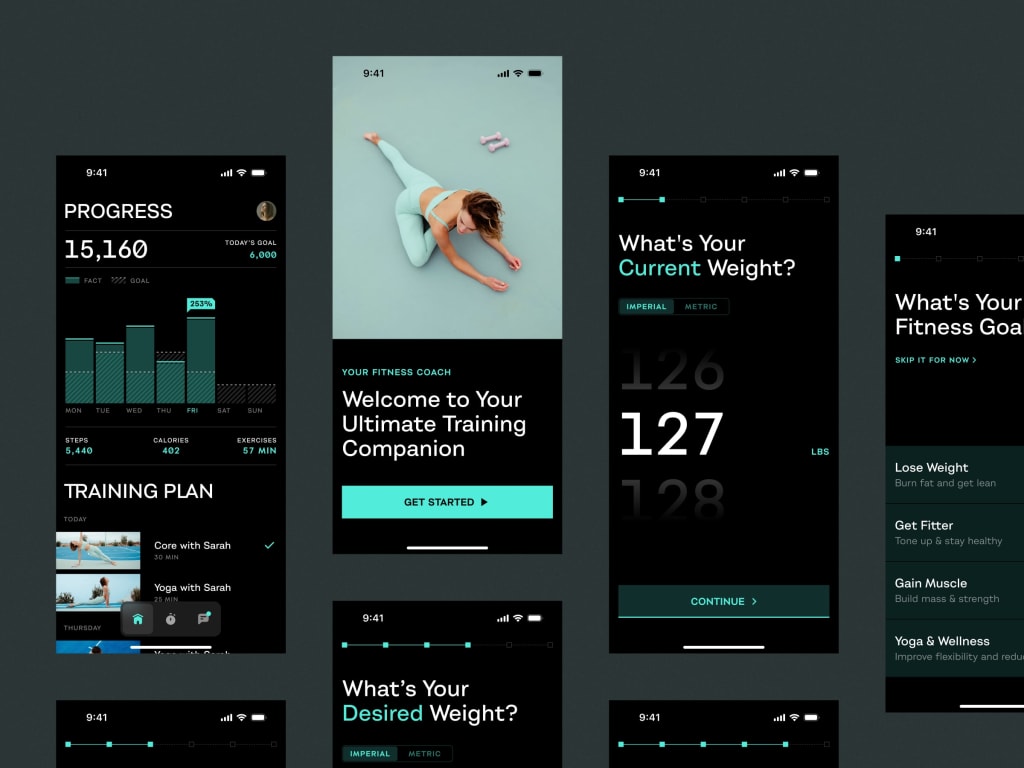
If you can't think of a single idea for a healthcare app, trust me, I get it. You're definitely excited, but now you have a lot of questions. How do you begin? How do you know which traits will be important? What about HIPAA? Can you just Google it, or will it come back to hurt you?
Making this kind of app is not the same as making a to-do list. Some people's health is in danger, among other things. That's why it's important to get it right, from a technical point of view to the point of view of user experience and legal consequences.
You can keep going without getting burned out or spending all of your money. I will show you how to make a healthcare app, walk you through the steps, and talk about the mistakes other people make and how you can avoid them.
Why Dive in Healthcare App Development?
If you're still undecided about entering this industry, here are some compelling reasons to consider it.
The market is expanding like crazy.
Seriously, it is not losing momentum. More individuals are utilizing cellphones and wearable gadgets to monitor their health. By 2023, the worldwide digital healthcare industry will be worth USD 420.08 billion. That is the demand at your doorstep.
People are tired of the failed systems.
Raise your hand if you waited two weeks for a doctor's appointment, just to waste seven minutes in the room. Medicine is fraught with friction: waiting, perplexing forms, and bad communication. Apps can help to alleviate some of these issues. And if you remove true frustrations, people will utilize your product.
You can make a difference!
We all want to make something meaningful. Helping someone with anxiety, reminding them to take their medicine, or linking rural patients with specialists—your app might make a significant difference in their lives.
Investors are paying notice.
Health technology firms are well-funded. Actually, the opposite is true. Big businesses such as hospitals, insurance firms, and even pharmaceutical companies are interested in developing a healthcare app. So think long term, and this market gives you alternatives.
It's simpler to begin than you think.
You don't need a medical degree or a battalion of data scientists to start. Cloud computing, AI software, and no-code technologies enable you to quickly and economically prototype your concept. Start small, test your theory, then scale wisely.
Telemedicine is not going away.
After the epidemic, virtual care became the norm. People become used to video consultations, computerized prescriptions, and remote monitoring. If your product fits into that environment, you've already caught a wave.
Remote care is becoming the norm.
Wearables and sensors make monitoring patients at home much easier. This decreases hospital visits, saves money, and enhances quality of life. If your app facilitates remote monitoring or chronic disease management, you've reached a good place.
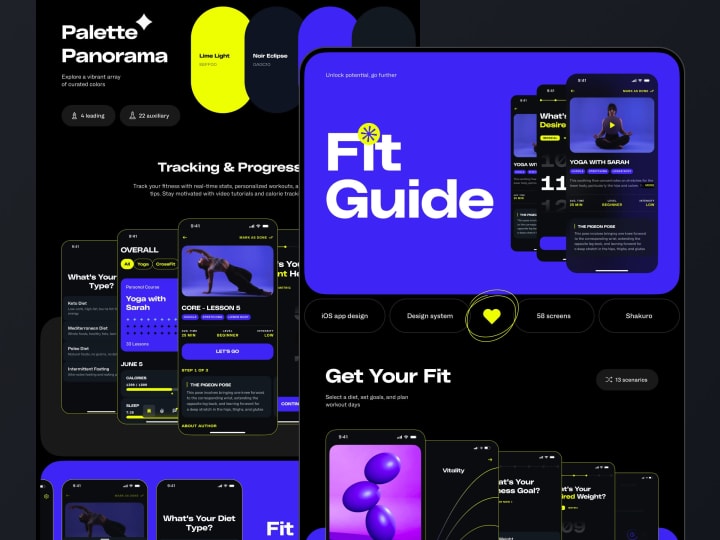
How to Build a Healthcare App: Step-by-Step Process
Step 1: Define your idea
Before you start looking for a development agency, consider:
- Who is this for? (Patients, nurses, physicians, or busy parents?)
- What are you attempting to solve?
- Why hasn't it been resolved satisfactorily yet?
To make things easier, jot down a short user narrative. Like:
"Ann is a 12-hour shift nurse. She consistently forgets to record patient notes between rounds. She seeks an easy way to report them without disturbing her productivity."
That level of precision will save you time in the future when you're calling on developers and can't fully articulate what you need.
Step 2: Sort Out Compliance and Legal Stuff Early
You'll at least have to consider:
- HIPAA compliance (if you handle protected health information in the United States).
- GDPR (for European users)
- FDA rules (only applicable if your app is used for diagnosis or treatment)
Yes, it sounds frightening. However, you do not have to get legal status overnight. Just make sure you understand what applies to you and incorporate security from the beginning (encryption, access restrictions, etc.). Hiring a lawyer or consultant with healthcare compliance expertise is a major advantage.
Step 3: Define your MVP
How can you create a medical app without breaking the bank? The answer is MVP. It's the simplest version of your program that nonetheless solves a real need without being "half-baked."
Let's imagine you're developing a mental health journaling app. The complete version may include AI insights, mood graphs, therapist integrations, and other features. But your MVP can just be:
- A basic daily prompt
- Text entry
- Mood rating
- Export option
That is enough to test your notion without straining yourself beforehand. So, eliminate features mercilessly. Ask the question, "Can this wait until version two?" If so, remove it.
Step 4: Design UI/UX with accessibility in mind
Healthcare product interfaces are sensitive: they must display a large amount of information while being useful. To get such impact, you must focus on:
- How users switch between screens
- Where they enter or see information
- What acts they take most frequently
Simplicity and simplicity outperform extravagant designs in this context. When creating tools for providers, keep in mind that they despise clumsy ones. Speed and clarity are more important.
Step 5: Build, Test, and Repeat
Collaborate with experienced developers to transform your designs into functional code. That covers the key functions and basic UI. When developing a healthcare app, test it continuously, especially in its early phases. Show it to individuals in your target audience and write down where they get stuck. It is important because these items must function flawlessly—they are linked to people's health.
What to use? There isn't a one-size-fits-all stack, but here's a general structure based on what our team uses:
Backend:
- Use Firebase or AWS Amplify with Node.js, MongoDB, or Python/Django.
- Consider HIPAA-compliant hosting solutions.
Frontend:
- For iOS-only apps, use React Native or Flutter and Swift.
- Kotlin for Android: Step 6: Launch and Collect Feedback.
When you're ready, go live, even if only in one app store or with a limited number of consumers.
Use soft launches for:
- Fix any last-minute bugs.
- Discover how actual people use the app.
- Adjust the marketing approach.
- Set up feedback channels.
- In-app surveys
- Email Follow-Ups
- Social media polls
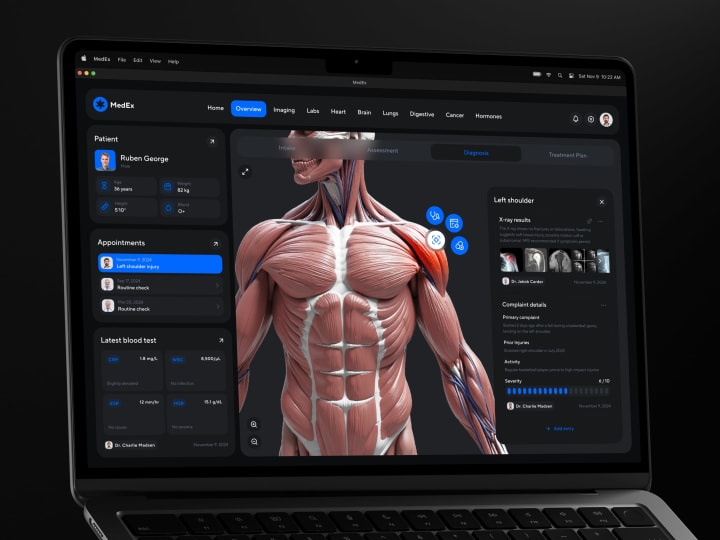
Important Technologies and Trends in Healthcare App Development
Trends change virtually every day, and certain features become old very soon. How can you design a medical app that keeps up with trends? What technology should you use in your product? Let's look at the most recent trends in the healthcare business.
AI & Machine Learning
Today, artificial intelligence surrounds us. It facilitates the automation of routine tasks both at work and at home. Artificial intelligence can perform the same thing in healthcare, freeing up clinicians to focus on more critical issues.
Where would you place AI?
- Symptom screening: Chatbots can ask intelligent questions depending on patient input and provide assistance before a doctor's appointment.
- Predictive analytics involves identifying trends in patient data to forecast flare-ups or hospital readmissions.
- Image recognition: Dermatology or radiology applications are used to identify lung nodules or skin abnormalities.
- Personalized recommendations: A diet or exercise plan based on medical history.
The only problem here is that you have to train. Good models require data, and healthcare data isn't always freely available. Second, humans still prefer a human doctor in the equation.
Wearables & IoT Integration
At least 44% of Americans wear health-tracking wearables every day. Apple Watches, Fitbits, and Oura Rings—users expect their apps to be compatible with them.
So, what should your application support?
- Syncing the heart rate, sleep, steps, and oxygen levels.
- Alerting users when anything is out of place.
For those who do not wear wearables, provide a manual entry option. However, do not compel integration. Allow users to pick the data they provide and why.
Blockchain for Data Security
It's still early days, but it's absolutely worth keeping an eye on, especially if you work with sensitive data or are concerned about compliance, because it makes security more strict.
Where would it fit inside your app?
- Secure patient records: Medical records are stored immutably and decentralized.
- Consent tracking: Identifies who saw what information and when.
- Drug traceability: Ideal for pharmaceutical-specific apps or supply chain software.
Cloud Infrastructure and APIs
Previously, apps were stored on large servers in hospitals. Now? Many of them run in the cloud. Why bother?
- Faster rollout
- Improved scalability
- Simple integration with other systems (EHRs, labs, etc.).
Services like Firebase, AWS HealthLake, and Google Cloud Healthcare API provide enterprise-grade infrastructure without the requirement for a DevOps crew.
APIs, particularly those based on FHIR, are now more easily integrated into existing systems than ever before. For example, you can link your app with a hospital's EHR without having to write all of the programming from scratch.
Genomics and Personalized Medicine
They use genetic information and machine learning to generate individualized recommendations. Some even work with laboratories to return findings through the app. Consumer genomics applications are still in their early stages, but they have enormous promise, especially as DNA testing becomes more affordable and accessible.
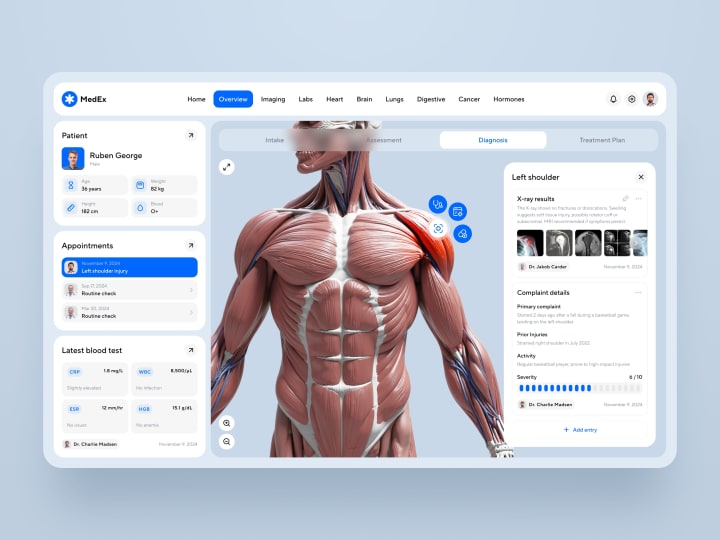
Best Practices for Healthcare App Security
✅ Understand the type of data you're dealing with. Is it identifiable? Is it health-related? Are you storing, sending, or both? If you answered yes to any of these questions, compliance begins.
✅ Select HIPAA-compliant tools. Hosting options include AWS, Azure, and Google Cloud. They all provide HIPAA-compliant settings, but you must set them up properly. Use secure messaging solutions, such as TigerConnect or Twilio (with BAAs). Avoid technologies that log personal information unless they provide anonymization.
✅ Encrypt everything. Encrypt stored data at rest, as well as API requests, video visits, and other data while it is in transit. Use TLS 1.2+ for network communication and AES-256 encryption for storage.
✅ Enable role-based access. Not everyone should see everything. Doctors have access to all records, whereas nurses may only review a portion of them. Administrators have more control than normal users.
✅ Audit logs and activity tracking. Who has logged in? Who accessed which record? When did they do this? It allows you to detect suspicious activity early.
✅ Implement a data breach plan. How will you discover a breach? Who is notified? How quickly do you respond? Yes, it is frightening to think about. But being prepared is preferable to worrying afterward.
✅ Seek legal advice, especially if you're self-starting. Hire a compliance expert or consultant and obtain templates for your privacy policy, terms of service, permission forms, and BAA agreements.
About the Creator
Shakuro
We are a web and mobile design and development agency. Making websites and apps, creating brand identities, and launching startups.
Agentic AI Vulnerability Assessment: Future Threats (2026)
The era of passive chatbots is over, y'all. We're now in the thick of agentic AI territory. These autonomous systems book flights, manage code repositories, handle financial portfolios. They're not just answering questions anymore. They're making decisions and taking actions without waiting for someone to hit "approve."
By Samantha Blake5 days ago in 01



Comments
There are no comments for this story
Be the first to respond and start the conversation.