
How to Maintain Driveway Paving Slabs and Keep Them Looking New
Why Regular Maintenance Matters for Driveway Paving Slabs

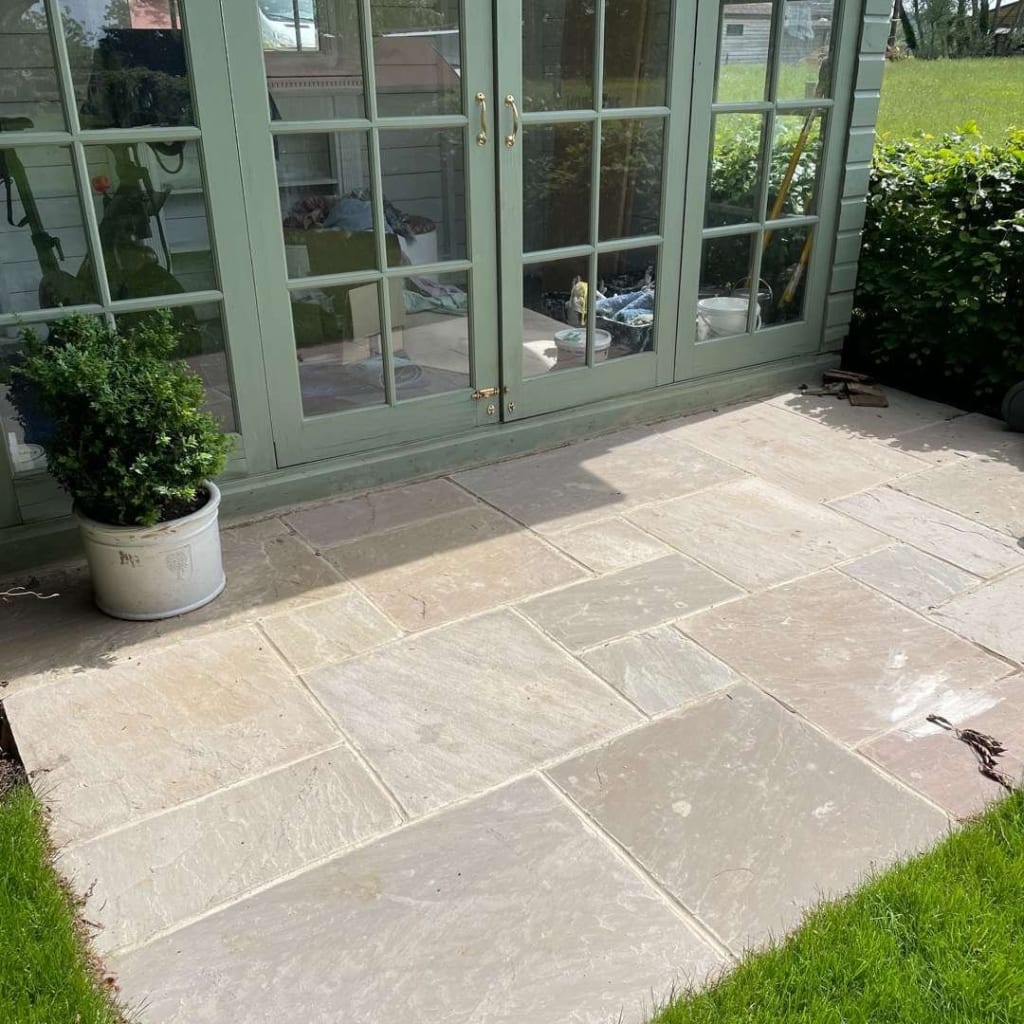
Well-maintained paving sets the tone for the entire exterior of a property. Clean, well-kept surfaces signal care and quality, while neglected slabs quickly lose colour, collect grime, and develop stubborn staining.
Driveway paving slabs face constant pressure from vehicles, foot traffic, rainfall, frost, and airborne debris. Without routine care, surface dirt settles into pores, organic growth spreads across joints, and moisture weakens the structure over time. Consistent maintenance protects both appearance and performance.
Preventing Surface Staining
Leaves, soil, tyre marks, and general pollution leave visible marks if left untreated. Once staining penetrates the surface, removal becomes more difficult. Regular sweeping and light washing prevent dirt from embedding into the material.
Protecting Colour and Texture
Natural stone and porcelain both rely on their surface finish to retain visual appeal. Dirt dulls colour, algae softens edges, and trapped moisture can cause discolouration. Keeping slabs clean preserves their original tone and texture.
Extending the Lifespan of Paving Materials
Quality paving represents a long-term investment. Thoughtful care reduces surface wear, prevents joint erosion, and maintains structural stability. Over time, this approach helps avoid premature replacement.
Read More: How to Install Stone Patio Slabs
Understanding Different Materials Before Cleaning
Not all paving materials respond to cleaning in the same way. Identifying the surface type ensures suitable products and techniques are used.
Caring for Porcelain and Natural Stone
Porcelain paving resists moisture absorption due to its low porosity. It responds well to mild detergent, warm water, and controlled pressure washing. Natural stone, including sandstone and limestone, remains more porous. Harsh chemicals can damage the surface or affect colour consistency.
Testing cleaning solutions on a small, discreet section avoids unexpected reactions.
Special Considerations for Slate Paving Slabs
Slate paving slabs require a gentler approach. Their layered structure creates a textured finish that can trap debris between ridges. A soft brush, warm water, pH-neutral cleaner usually provide effective results without disturbing the surface. Excessive pressure may cause flaking along natural clefts.
The Impact of Weather on Outdoor Surfaces
British weather introduces ongoing challenges. Rain encourages moss growth, frost expands trapped moisture, summer heat dries out jointing material. Seasonal awareness helps property owners respond before small issues escalate.
Routine Cleaning for Long-Lasting Results
A consistent cleaning routine keeps surfaces looking fresh without demanding excessive effort.
Sweeping and Debris Removal
Frequent sweeping removes loose grit, leaves, organic matter. This simple step prevents staining and reduces moisture retention across the surface.
Washing with Water and Mild Detergent
Warm water mixed with a gentle detergent works well for most paving types. A stiff outdoor brush loosens dirt, allowing it to rinse away easily. Rinsing thoroughly prevents residue build-up.
When to Use a Pressure Washer
Pressure washing restores brightness when dirt becomes ingrained. Use moderate pressure, keep the nozzle at a consistent distance, avoid directing water straight into joints. Excess force can dislodge jointing compound or damage softer stone.
Annual deep cleaning usually proves sufficient for most driveways.
Dealing with Common Paving Issues
Even with regular care, certain issues may appear over time.
Removing Algae, Moss, and Lichen
Shaded areas often develop green patches. Treat affected zones with a specialist cleaner designed for external stone surfaces. Allow the product to work before brushing away residue. Improved drainage and sunlight exposure help reduce recurrence.
Tackling Oil and Grease Stains
Driveways frequently encounter oil drips. Acting quickly increases the chance of full removal. Absorb excess oil with sand or an absorbent material, apply a degreasing solution suitable for paving, scrub gently, rinse thoroughly.
Managing Efflorescence
White powdery deposits sometimes appear on new paving. These salts surface naturally as moisture evaporates. Brushing the area during dry weather often resolves the issue without further treatment.
Sealing and Protecting Paving Slabs
Sealants offer additional protection for many paving types.
When to Apply Sealant
Apply sealant once paving has fully settled and dried, usually several weeks after installation. Clean the surface thoroughly before application to avoid sealing in dirt.
Choosing the Right Product
Select a sealant that matches the paving material. Breathable sealers allow moisture to escape while providing surface protection. Matte finishes maintain a natural look, enhanced options deepen colour slightly.
Resealing Intervals and Ongoing Care
Most sealed surfaces benefit from reapplication every few years, depending on traffic levels and exposure. Regular cleaning still remains essential.
Seasonal Maintenance Tips
Each season introduces different maintenance priorities.
Spring Refresh
Remove winter debris, wash surfaces, inspect joints for movement or erosion. Replace jointing compound where necessary.
Summer Upkeep
Dry conditions provide ideal opportunities for sealing or deeper cleaning. Address minor stains promptly before heat sets them further.
Autumn and Winter Protection
Clear fallen leaves promptly to prevent staining. Monitor drainage to avoid standing water during frost periods. Avoid using harsh de-icing salts on natural stone.
Maintaining driveway paving slabs does not require specialist equipment or complex methods. A consistent routine, suitable cleaning products, and timely sealing preserve both appearance and durability. With proper care, quality paving supplied by Ammaari Stones retains its visual impact for many years.
Long-Term Care and Practical Habits That Make a Difference
Driveways often become part of daily routine without much thought. Cars come and go, bins move across the surface, deliveries arrive. Small habits influence how well paving performs over time.
Avoid dragging heavy items across the surface. Lift planters, move equipment carefully, use protective boards when carrying out exterior work. These minor adjustments reduce scratches, surface scuffs, joint disruption.
If building work takes place nearby, cover the paving to shield it from cement splashes, paint spills, excess dust. Once materials harden, removal becomes more time-consuming, sometimes impossible without affecting the finish.
Joint Maintenance and Structural Stability
Jointing material holds slabs firmly in place, prevents water penetration, limits weed growth. Over time, natural movement, pressure, weather conditions may weaken joints.
Inspect joints annually. Look for cracking, crumbling, gaps between slabs. Promptly topping up or replacing jointing compound preserves alignment, protects the bedding layer beneath.
Polymeric jointing compounds offer durability in high-traffic areas. Traditional sand-based joints require more frequent attention yet remain suitable when maintained consistently.
Maintaining joints often proves just as important as cleaning the slab surface itself.
Weed Prevention Without Surface Damage
Weeds typically appear where jointing weakens or airborne seeds settle. Removing them early prevents root systems from expanding beneath the paving.
Manual removal works well for isolated growth. For larger areas, use a paving-safe weed treatment, applied carefully to avoid surrounding planting. Avoid corrosive chemicals that may stain or damage natural stone.
Consistent sweeping reduces the organic build-up that encourages germination.
Drainage and Water Management
Standing water places stress on paving installations. It encourages algae growth, increases slip risk, accelerates joint erosion during freeze-thaw cycles.
Check that drainage channels remain clear. Remove debris from gullies, ensure water flows freely away from the surface. Where pooling appears repeatedly, slight regrading or additional drainage solutions may improve performance.
Good water management protects both appearance and structure.
Protecting Appearance in High-Traffic Areas
Certain sections of a driveway experience greater wear, particularly turning points or parking bays. Rotating vehicle positioning occasionally spreads load across a wider area, reducing concentrated pressure.
Rubber mats placed temporarily under motorcycles or heavy equipment prevent direct contact marks. Cleaning high-use zones more frequently helps maintain uniform colour across the entire surface.
Driveway paving slabs benefit from steady, moderate care rather than reactive repairs.
When Professional Cleaning Makes Sense
In some cases, professional cleaning restores paving that has experienced years of neglect. Specialist equipment, appropriate cleaning agents, careful handling bring back original colour without causing damage.
Before arranging professional services, confirm that contractors understand the specific paving material installed. Natural stone, porcelain, slate each require tailored treatment methods.
Routine homeowner maintenance still remains the most cost-effective approach over the long term.
Building a Simple Maintenance Schedule
Consistency proves more effective than occasional deep cleans. A practical schedule might include:
- Weekly sweeping during autumn and winter
- Monthly washing with mild detergent
- Annual deep clean using controlled pressure
- Sealant inspection every two to three years
- Joint inspection each spring
This approach keeps surfaces manageable without demanding excessive time.
Preserving Value and Kerb Appeal
Well-kept paving enhances property presentation. Clean lines, stable joints, consistent colour create a strong first impression. Buyers, visitors, neighbours often notice driveway condition before any other exterior feature.
High-quality materials, when maintained correctly, retain strength, colour, surface definition for many years. Thoughtful care supports long-term durability, protects investment, maintains visual appeal across changing seasons.
Driveway paving slabs respond well to steady upkeep, sensible cleaning methods, and timely repairs. With the right approach, surfaces remain attractive and structurally sound long after installation. Slate paving slabs, porcelain, sandstone, limestone each reward consistent maintenance with lasting performance.
About the Creator
Ammaari Stones
Ammaari Stones are a leading supplier of bricks, natural stone and porcelain paving to both retail and trade customers throughout the UK.
Keep reading
More stories from Ammaari Stones and writers in 01 and other communities.
Top Patio Slab Designs to Upgrade Your Garden Instantly
If you have been browsing Patio Slabs For Sale lately or searching for the perfect Garden Slab to transform your outdoor space, you are not alone. More homeowners are realising that the right patio design can completely change how a garden looks and feels. It is no longer just about laying concrete and calling it done. A thoughtfully chosen patio slab design can turn a plain patch of lawn into a space that feels styled, welcoming and genuinely personal.
By Ammaari Stones13 days ago in 01
The Human Need for Connection: Friendship, Love, and Belonging
Humans are fundamentally social beings. From early childhood friendships to deep emotional bonds formed in adulthood, the relationships we build shape our emotional well-being, identity, and resilience. Meaningful connection helps people feel understood, valued, and supported, especially during periods of stress or personal change. Friendship and love are not optional aspects of life; they are essential human needs that contribute to psychological stability and long-term fulfillment. In broader cultural conversations about companionship, references may sometimes appear to concepts such as a Real Love Doll, often reflecting discussions about loneliness or simulated presence rather than genuine human exchange. Ultimately, these conversations reinforce how vital authentic, emotionally reciprocal relationships remain in sustaining true well-being.
By James Mburu2 days ago in 01
Maya Hawke
In an industry that often defines young performers by their lineage, Maya Hawke has steadily built a career that stands on its own. Actress, singer, and songwriter, she has emerged as one of the most recognizable talents of her generation—balancing independent film work, mainstream television success, and a growing music catalog. While her family background initially drew attention, her artistic choices and performances have shaped her reputation. Early Life and Artistic Roots Born in 1998 in New York City, Maya Hawke is the daughter of actors Uma Thurman and Ethan Hawke. Growing up around film sets and creative environments naturally influenced her interest in the arts. Yet her path was not without challenges. Hawke has spoken publicly about having dyslexia, an experience that shaped her education and encouraged alternative learning environments. She briefly studied acting at the Juilliard School before leaving to pursue professional opportunities—an early decision that signaled her willingness to follow creative momentum rather than conventional routes. Breakthrough with Stranger Things Maya Hawke’s breakthrough came when she joined the cast of Stranger Things in its third season. Her portrayal of Robin Buckley—a witty, quick-thinking ice cream shop employee who becomes entangled in supernatural mysteries—quickly became a fan favorite. Robin stood out for her humor, emotional honesty, and evolving friendship with established characters. Hawke’s performance added new energy to the ensemble, blending comedic timing with vulnerability. The role not only introduced her to a global audience but also demonstrated her ability to hold her own in a widely popular series. Expanding Film Career Beyond television, Hawke has pursued a diverse range of film roles. She appeared in Once Upon a Time in Hollywood, directed by Quentin Tarantino. Though her role was brief, the project placed her within a high-profile ensemble cast and further expanded her industry visibility. She later starred in independent films that explored complex emotional territory. These projects showcased her interest in character-driven storytelling rather than relying solely on commercial franchises. Her performances often carry a quiet intensity, revealing subtle emotional layers rather than dramatic exaggeration. More recently, she lent her voice to the animated film Inside Out 2, broadening her creative portfolio into voice acting. This move reflected both versatility and an openness to varied storytelling formats. A Parallel Career in Music While many actors occasionally explore music, Maya Hawke has treated songwriting as a serious artistic pursuit. She released her debut album, Blush, in 2020, followed by subsequent projects that blended indie folk influences with introspective lyrics. Her music is often described as personal and poetic. Rather than chasing radio trends, Hawke’s songs emphasize storytelling and emotional authenticity. Acoustic arrangements and understated production allow her voice and lyrics to remain central. The dual path of acting and music can be demanding, yet Hawke has expressed that each discipline informs the other. Acting sharpens her emotional awareness, while songwriting gives her a space for personal reflection outside scripted narratives. Navigating Public Attention Being the child of two prominent actors inevitably invites scrutiny. Early interviews frequently referenced her parents, but Hawke has consistently redirected focus toward her own creative work. Over time, audiences and critics alike have shifted their attention to her performances rather than her lineage. Her public presence tends to feel measured and thoughtful. Rather than cultivating controversy or constant visibility, she often emphasizes craft, collaboration, and creative exploration. This approach has helped her maintain a grounded image in an industry that can amplify pressure. Style and Screen Presence Part of Hawke’s appeal lies in her naturalistic performance style. She often portrays characters who feel approachable and emotionally accessible. Whether in dramatic scenes or moments of humor, her expressions and delivery convey sincerity. Visually, she has also become associated with understated fashion choices—often favoring classic silhouettes and soft tones on red carpets. While style coverage is common for rising actors, her aesthetic tends to reflect subtlety rather than spectacle. Themes in Her Work Across both film and music, recurring themes appear in Hawke’s creative choices: Identity and self-discovery Emotional honesty Friendship and loyalty Quiet resilience These themes resonate strongly with younger audiences navigating similar experiences. Her portrayal of Robin in Stranger Things, for instance, offered representation and nuance that many viewers found meaningful. The Balance Between Mainstream and Independent Projects One notable aspect of Hawke’s career is her ability to move between large-scale productions and smaller, intimate films. This balance allows her to maintain visibility while continuing artistic experimentation. The entertainment industry often pressures young actors to remain within commercially safe spaces. Hawke’s willingness to participate in independent cinema suggests a long-term commitment to growth rather than short-term popularity. Looking Ahead As Maya Hawke continues to expand her body of work, her trajectory suggests thoughtful career building rather than rapid overexposure. With each new project—whether on screen or in the recording studio—she deepens her creative range. In an era where public attention can be fleeting, sustainability often depends on authenticity and adaptability. Hawke’s evolving career demonstrates both. While her family background introduced her to audiences, her talent and deliberate choices have defined her path. Ultimately, Maya Hawke represents a new generation of artists comfortable crossing creative boundaries. By balancing acting, music, and independent storytelling, she has crafted an identity that feels distinctly her own—one shaped not only by opportunity, but by intention
By Saboor Brohi 4 days ago in 01




Comments
There are no comments for this story
Be the first to respond and start the conversation.