
How to Renovate Your Bathroom Without Overspending
Renovate Your Bathroom
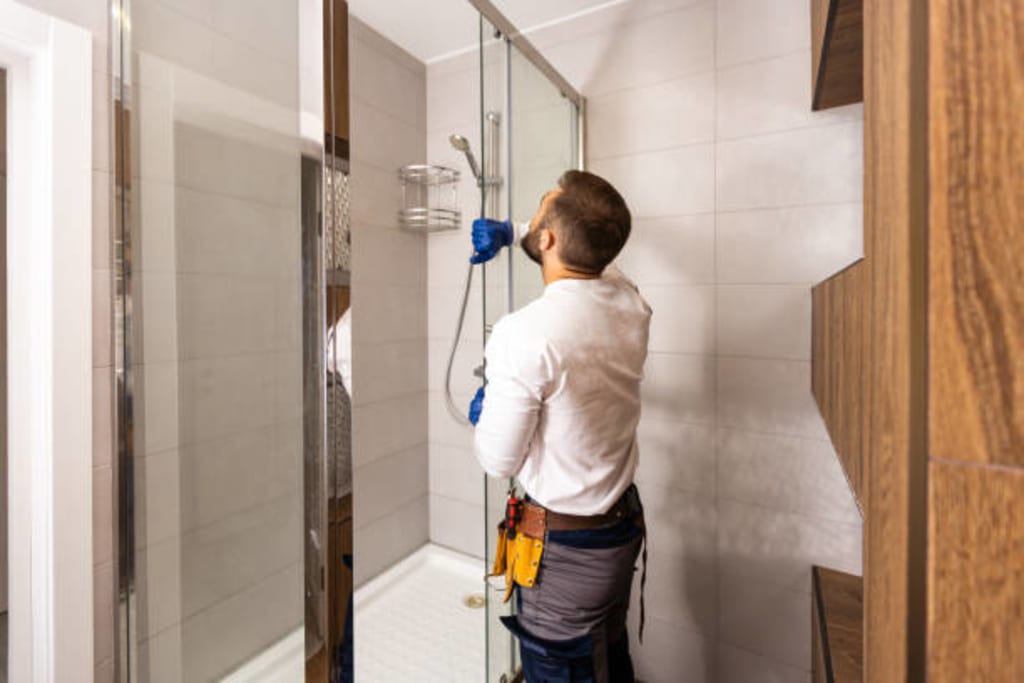
Renovating a bathroom can significantly improve the comfort, functionality, and value of your home. However, many homeowners hesitate to start the process because they assume it will be expensive and complicated. The truth is that with proper planning, smart choices, and careful budgeting, you can achieve a beautiful and functional bathroom without exceeding your financial limits.
This guide will help you understand how to renovate your bathroom efficiently while keeping costs under control and achieving excellent results.
1. Start With a Clear Plan
The first and most important step in any bathroom renovation is planning. Without a clear plan, expenses can quickly get out of control. Decide what you want to improve in your bathroom. Are you focusing on aesthetics, functionality, or both?
Make a list of priorities, such as:
Replacing outdated fixtures
Improving storage space
Upgrading tiles or flooring
Installing better lighting
Enhancing overall appearance
Having a clear plan helps you focus on what truly matters and prevents unnecessary spending.
2. Set a Realistic Budget
Once you know your goals, determine how much you are willing to spend. Your budget should include materials, labor, and a small emergency fund for unexpected expenses.
Many homeowners find success by exploring ideas that focus on bathrooms on a budget, which emphasize smart upgrades rather than complete replacements. This approach allows you to improve the space without making costly structural changes.
A well-planned budget ensures you stay in control and avoid financial stress during the renovation.
3. Focus on High-Impact, Low-Cost Changes
Not every improvement requires a large investment. Some small changes can make a big difference in the appearance and functionality of your bathroom.
Examples of cost-effective upgrades include:
Replacing old faucets and showerheads
Installing a new mirror
Updating cabinet handles
Adding modern lighting fixtures
Repainting walls
These upgrades are relatively inexpensive but can dramatically improve the overall look.
4. Consider Refinishing Instead of Replacing
Replacing major components like bathtubs, sinks, or cabinets can be expensive. Instead, consider refinishing or resurfacing them. Refinishing can restore the appearance of fixtures at a fraction of the replacement cost.
For example:
Bathtubs can be reglazed
Cabinets can be repainted or refaced
Tiles can be cleaned and resealed
This approach saves money while still delivering impressive results.
5. Choose Affordable and Durable Materials
Material selection plays a major role in the total cost of renovation. Fortunately, there are many affordable materials that offer durability and style.
Some cost-effective options include:
Ceramic tiles instead of natural stone
Laminate countertops instead of marble
Vinyl flooring instead of hardwood
Prefabricated vanities instead of custom-built ones
These alternatives provide excellent performance while keeping costs manageable.
6. Improve Lighting for a Modern Look
Lighting has a powerful impact on the atmosphere of your bathroom. Poor lighting can make even a newly renovated space look outdated, while proper lighting creates a fresh and modern appearance.
Consider adding:
LED lights for energy efficiency
Vanity lighting for better visibility
Wall sconces for style
Brighter overhead lighting
Improved lighting enhances both functionality and aesthetics.
7. Do Some Work Yourself
Labor costs can make up a large portion of renovation expenses. If you have basic DIY skills, you can save money by doing simple tasks yourself.
Examples of DIY-friendly tasks include:
Painting walls
Installing shelves
Replacing mirrors
Updating hardware
However, leave complex tasks such as plumbing and electrical work to professionals to avoid costly mistakes.
8. Keep the Existing Layout
Changing the layout of your bathroom can significantly increase costs because it often involves moving plumbing and electrical systems.
Keeping the current layout helps you avoid:
Plumbing relocation expenses
Structural changes
Additional labor costs
By working within the existing structure, you can achieve great results without overspending.
9. Shop Smart and Compare Prices
Take time to compare prices from different suppliers before purchasing materials and fixtures. Many stores offer discounts, seasonal sales, or clearance items.
You can also consider:
Buying gently used fixtures
Looking for package deals
Shopping online for better prices
Smart shopping helps stretch your budget further.
10. Improve Storage Without Major Changes
Storage improvements can enhance functionality without requiring major renovations.
Simple storage solutions include:
Adding wall shelves
Installing hooks for towels
Using storage cabinets
Adding organizers inside drawers
Better storage makes your bathroom more organized and user-friendly.
11. Focus on Long-Term Value
While saving money is important, it’s also essential to focus on long-term value. Choosing durable materials and quality fixtures ensures your renovation lasts longer and prevents frequent repairs.
Investing wisely in key areas helps you avoid additional expenses in the future.
12. Hire Professionals When Necessary
Although DIY can save money, certain tasks require professional expertise. Hiring qualified professionals for plumbing, waterproofing, or electrical work ensures safety and quality.
Professional work reduces the risk of future problems and costly repairs.
Conclusion
Renovating your bathroom does not have to be expensive or stressful. With proper planning, smart budgeting, and careful material selection, you can transform your bathroom into a modern and functional space without overspending.
Focus on practical improvements, prioritize essential upgrades, and explore cost-effective solutions that deliver maximum impact. By making informed decisions and managing your budget wisely, you can achieve a beautiful bathroom renovation that adds comfort, value, and satisfaction to your home for years to come.
About the Creator
Keep reading
More stories from Kashif Khan and writers in 01 and other communities.
How to Choose the Right Builder for Your Dream Home or Renovation Project
Building a new home or renovating an existing property is one of the most significant investments you will ever make. It’s not just about bricks and concrete—it’s about creating a space that reflects your lifestyle, meets your needs, and stands strong for years to come. Choosing the right builder is the foundation of a successful project, and making the wrong decision can lead to delays, unexpected costs, and disappointment. This guide will help you understand how to choose the right builder for your construction or renovation project, ensuring quality results and a smooth experience from start to finish.
By Kashif Khanabout 18 hours ago in 01
How Small Businesses are Actually Using Custom AI to Save Time
For a long time, the narrative surrounding artificial intelligence was that it belonged exclusively to the giants of Silicon Valley. Small and medium-sized businesses (SMBs) often viewed these technologies as too expensive, too complex, or simply unnecessary for their scale. However, the landscape has shifted. We have moved from the era of "experimentation" into an era of "practical implementation."
By ViitorCloud Technologies6 days ago in 01




Comments
There are no comments for this story
Be the first to respond and start the conversation.