
How Vintage Clothing Stores Create Their Unique Collections
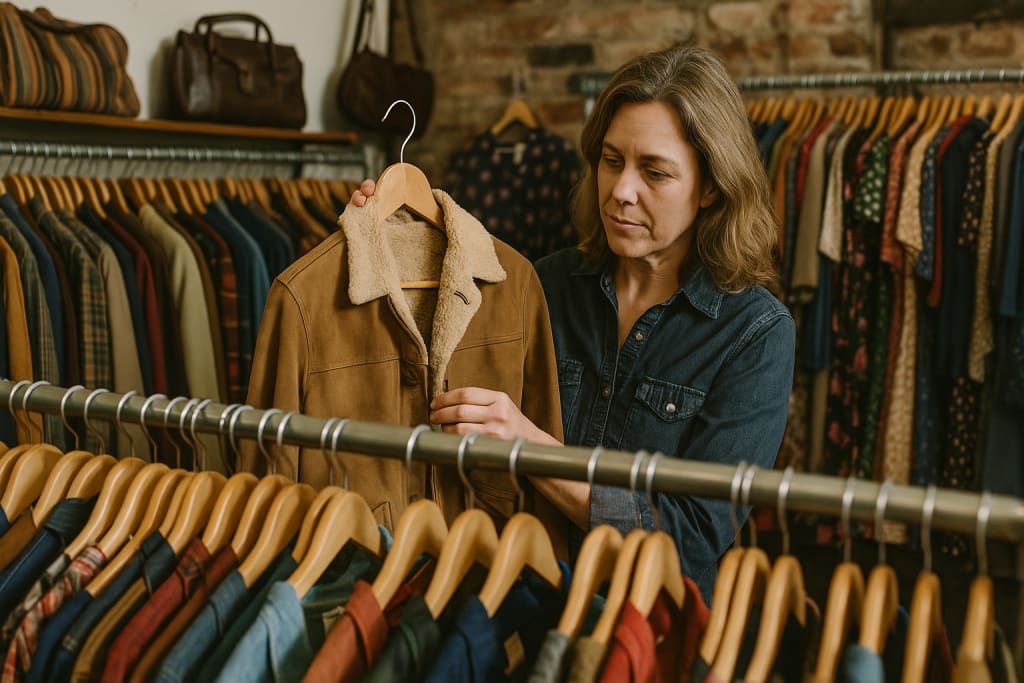
Our vintage clothing store in Denver offers unique clothes and pre-loved pieces from every era, including retro dresses, classic denim, and accessories.

The Allure of Vintage Fashion
What Defines a Vintage Piece
Vintage clothing typically refers to garments that are at least 20 years old, though this definition can vary by store and collector. These pieces capture the aesthetic, craftsmanship, and cultural sentiment of a particular era, offering something that mass-produced modern fashion often lacks—individuality. Many Denver vintage clothing stores use this definition as a guiding principle, filtering through vast inventories to select items that best represent the charm and character of bygone decades.
Each selected piece often carries a visual or material indicator of its time, whether it’s the cut of a 1940s swing coat or the fabric of a 1970s disco shirt. The process of categorising these items involves a mix of historical knowledge and fashion expertise. Identifying true vintage isn’t just about age; it also involves assessing construction methods, labels, and even stitching techniques. This blend of art and research sets the stage for a unique shopping experience.
Shifts in Consumer Attitudes Toward Sustainability
More consumers are moving away from fast fashion and embracing second-hand shopping as a more ethical and sustainable option. This shift is visible across age groups but especially prominent among younger generations looking to reduce their environmental impact. As landfill awareness grows, the popularity of shops specialising in recycled fashion has soared, giving Denver vintage clothing stores new relevance and responsibility.
Retailers are responding by being transparent about their sourcing and environmental practices. Many now include tags detailing the origin and era of the clothing, and even estimated carbon savings compared to buying new. This change aligns with a broader cultural move towards conscious consumption, where buyers prioritise quality, longevity, and ethical considerations over low prices and quick trends.
The Emotional and Historical Value of Pre-Loved Clothing
Wearing vintage clothing often connects individuals to a time they never lived through. There’s a kind of silent storytelling embedded in each garment, whether it’s a hand-stitched hem or a faded label from a long-closed department store. These details offer a sense of mystery and imagination that is absent in contemporary retail experiences.
For many customers, buying vintage is about more than just aesthetics—it’s about cherishing the past. Denver vintage clothing stores have cultivated a sense of wonder around their collections by highlighting personal stories tied to select pieces. Whether it's a wedding dress from the 1950s or a tour jacket from a local 1980s band, each item becomes a bridge between past and present.
Sourcing Stories: Where It All Begins
Estate Sales, Auctions, and Personal Collections
The backbone of most vintage inventories lies in estate sales and private auctions. These sources provide access to high-quality, often well-preserved items that have been stored for decades. Professional buyers develop relationships with families, auctioneers, and collectors, allowing them early access to pieces that are rich in history. This practice not only brings rare items to store racks but also ensures that clothing which might otherwise be discarded finds a second life.
In Denver, this sourcing method is especially effective given the region’s mix of long-established families and a growing interest in historical preservation. Some vintage store owners even travel statewide to uncover hidden gems. Personal collections are another goldmine, often donated or consigned by individuals keen to see their pieces appreciated. These contributions help stores maintain authenticity in their collections and provide buyers with genuine, one-of-a-kind garments.
Cross-Country and International Hauls
To diversify their collections, many stores import clothing from other parts of the country and abroad. Items sourced from Europe, Japan, and coastal U.S. cities bring distinctive styles that broaden local offerings and attract a more eclectic clientele. These international hauls are typically selected through contacts at warehouses and flea markets, as well as through vintage expos and professional networks.
This strategy is particularly useful for curating specific themes or stocking underrepresented fashion eras. Denver vintage clothing stores use these hauls to bring in trends that might not have emerged locally—like mid-century French tailoring or Japanese denim—offering shoppers something they’re unlikely to find elsewhere. This curated variety enriches the store’s identity and reflects global fashion narratives.
Collaboration with Local Communities and Charities
Partnering with local charities and community members provides both ethical sourcing opportunities and storytelling potential. Collaborations often involve receiving donated items from families downsizing or clearing out storage, and in return, the store supports the donor’s chosen cause. It’s a mutually beneficial relationship rooted in trust, care, and local pride.
Several Denver shops have linked with donation centres and projects like Volunteer Castle Rock, which connects residents with meaningful community service opportunities. These partnerships ensure a steady stream of donations, encourage repeat visits, and weave the store more tightly into the local social fabric. Shoppers gain a sense of purpose when they realise their purchase also supports a broader mission.
Curating with a Purpose
Identifying Fashion Eras and Trends
Effective curation starts with the ability to identify and understand fashion eras. From post-war silhouettes to 1990s minimalism, each period offers distinct styles, materials, and manufacturing techniques. Storeowners and staff often study vintage pattern books, old magazines, and garment tags to match pieces with the correct timeline. This ensures that each collection reflects an authentic, coherent vision.
In Denver vintage clothing stores, this process allows for intentional storytelling across displays and pop-ups. Whether showcasing a 1970s summer edit or 1950s formalwear, these shops offer immersive experiences rooted in fashion history. The result is a curated selection that resonates with customers who value clothing with identity and context, rather than seasonal conformity.
Quality Checks and Authentication Techniques
Every piece undergoes a meticulous inspection before it reaches the sales floor. Staff examine seams, stitching, linings, zippers, and labels to confirm authenticity and condition. Repairs may be required, but they must stay true to the garment’s original design. Some stores even maintain reference archives to verify labels or consult vintage specialists when evaluating high-value items.
Authentication isn’t only about brand names—it also helps prevent the circulation of reproductions passed off as originals. Denver shops pride themselves on transparency, often tagging items with detailed histories. These steps not only preserve credibility but also reinforce the store’s dedication to responsible resale practices.
The Role of Nostalgia and Pop Culture
Pop culture plays a powerful role in shaping vintage fashion trends. Films, television series, and music icons frequently influence what customers seek out. A resurgence in interest around a particular decade—triggered by a streaming hit or celebrity endorsement—can lead to a spike in demand for related styles. Storeowners stay ahead by tracking these cultural shifts and tailoring displays accordingly.
In Denver, this has resulted in creative showcases that blend nostalgia with community pride. Displays referencing ski culture, retro rock concerts, or iconic Western wear attract both locals and tourists. These moments not only boost footfall but also allow stores to celebrate the area's cultural history in a tangible, wearable form.
The Denver Vintage Clothing Scene
What Makes Denver Vintage Clothing Stores Distinctive
Denver vintage clothing stores reflect the city’s character—practical, artistic, and community-minded. Many shops are independently owned and operated by people who have deep ties to the area, bringing a personal sensibility to their collections. The focus here tends to balance aesthetics with function, often spotlighting rugged outdoor pieces, classic denim, and Western-inspired fashion alongside mid-century classics.
Unlike major fashion capitals, Denver doesn’t chase fleeting trends. Instead, stores in the area champion garments that fit real lifestyles. This rootedness gives local shops a distinctive voice, drawing customers who appreciate slow fashion, thoughtful curation, and a sense of authenticity. Each store offers a window into a particular fashion era through the lens of Colorado’s cultural and environmental backdrop.
The Role of Local Culture and Aesthetics
Colorado’s high-altitude geography and outdoorsy ethos shape what ends up on hangers. Stores often prioritise durable, wearable items suited to seasonal shifts and mountain life. Think wool coats, leather boots, heritage flannel, and vintage fleece. But alongside practicality, there’s a strong appreciation for visual identity. Vibrant embroidery, 1960s psychedelic prints, and embroidered Western shirts tell a story of artistic flair rooted in nature and independence.
Denver’s art scene also plays a role in shaping vintage retail. Many stores collaborate with local designers and artists, blending second-hand fashion with modern reinterpretation. This marriage of old and new not only broadens appeal but also adds fresh energy to the vintage landscape. It’s a visual dialogue between past and present, with the city’s creative identity stitched into every collection.
Examples of Popular Storefronts in the Area
Some of Denver’s best-known vintage shops have built strong community reputations by sticking to their principles. Stores like Goldmine Vintage and Garage Sale Vintage attract regulars who appreciate their ever-changing, high-quality inventories. Each space is carefully styled to encourage browsing, with themed areas or rotating features that spotlight specific decades or occasions.
Smaller boutiques add to the diversity, often focusing on niche markets like vintage sportswear, upcycled fashion, or 1990s streetwear. These storefronts contribute to a thriving ecosystem where each shop complements the next. Together, they make Denver a vibrant hub for vintage lovers, with something to suit nearly every taste and budget.
Behind the Scenes of Inventory Management
Storage, Sorting, and Rotation Methods
Once sourced, garments go through a back-of-house process that includes categorising, steaming, tagging, and occasionally minor repairs. Many stores operate with limited space, so storage solutions must be clever—vacuum-sealed bags for delicate fabrics, garment racks sorted by era, and digital inventory systems for quick reference. Each item is carefully assessed not just for quality but also for how it fits into the store’s evolving display.
Rotation is key to keeping regular customers engaged. Denver vintage clothing stores often cycle stock seasonally or by theme, shifting the spotlight from winter coats to festival wear or formal gowns depending on time of year. Some even host preview nights for their newest drops, allowing loyal shoppers early access and creating a sense of anticipation around what’s coming next.
Seasonal Displays and Thematic Drops
In-store storytelling is an important part of the shopping experience. Many shops use window displays and curated racks to highlight seasonal trends, holiday themes, or anniversary collections. These thematic drops are planned months in advance and often tie in with local events, weather changes, or customer buying habits.
Denver’s fluctuating climate makes seasonal planning essential. Heavy knits and shearling jackets take centre stage in colder months, while light cotton dresses and linen shirts dominate in spring and summer. Shops often reimagine traditional layouts to accommodate the changing inventory, keeping the shopping experience fresh and aligned with both the weather and current trends.
Repairs, Alterations, and Upcycling
Before garments hit the sales floor, they’re checked for damage or wear that can be corrected. Small repairs—like replacing buttons, stitching seams, or patching holes—are part of daily operations. Many shops also offer in-house or partnered tailoring services, giving buyers the option to alter garments for a better fit without losing their original character.
Upcycling has also become a creative extension of inventory management. Denver vintage clothing stores use scrap fabric and worn-out items to produce limited-run products like tote bags, patchwork jackets, or reworked jeans. This not only reduces waste but also allows the store to showcase one-of-a-kind pieces that blend sustainability with style, adding further uniqueness to their offerings.
Community and Connection
How Stores Engage with Volunteers and Donors
Behind every standout vintage store is a network of individuals contributing their time, goods, or skills. Volunteers often help with sorting donations, maintaining displays, or hosting events. Their involvement isn’t just practical—it adds to the heart and character of the shop. Some stores also recognise regular contributors by offering store credit, early access to collections, or shout-outs on social media.
In Denver, community ties play a vital role in keeping vintage fashion alive. Shoppers aren’t just buying clothes—they’re supporting a shared mission. Donors, many of whom bring in clothing with personal histories, often return to see their items repurposed or rehomed. This cycle builds a sense of trust and mutual appreciation that transcends traditional retail models.
Ties to Local Initiatives like Volunteer Castle Rock
Many vintage shops in the area collaborate with organisations that promote civic engagement. One such initiative is Volunteer Castle Rock, which connects individuals with meaningful service opportunities. While not all partnerships are formal, these links create overlap between retail, reuse, and community support. Some stores even act as donation drop-off points for local charities, amplifying their role as social hubs.
These connections add an extra dimension to the shopping experience. Customers understand that their purchases support more than just small businesses—they contribute to a wider network of positive impact. It also encourages local involvement, drawing in volunteers who care about sustainability, history, or simply making a difference through everyday actions.
Events, Pop-Ups, and Storytelling Campaigns
Events are a major part of how vintage clothing stores deepen their relationships with the community. From launch parties and fashion shows to ‘style your decade’ workshops, these gatherings turn passive shopping into active participation. Denver stores often collaborate with local musicians, artists, and food vendors to make events more engaging and inclusive.
Storytelling also features heavily in marketing. Stores might post about the origin of a standout item or share customer photos styled in vintage pieces. These campaigns help personalise the brand and allow people to see themselves reflected in the garments. The result is a sense of belonging and continuity that extends beyond clothing racks.
Why These Collections Matter
Encouraging Conscious Consumerism
Every purchase from a vintage store diverts clothing from landfill and challenges the throwaway culture that dominates fast fashion. This model supports more mindful consumption—one where value is placed on craftsmanship, history, and environmental impact. Denver vintage clothing stores exemplify this by offering curated alternatives to mass-produced goods.
Shoppers begin to view clothing not just as seasonal trends but as lasting investments. With each carefully selected item, stores reinforce the idea that fashion can be meaningful, responsible, and expressive without being wasteful.
Creating Jobs and Skill-Building Opportunities
Beyond sales, these shops create employment and training for individuals interested in fashion, retail, and design. Staff members learn about textiles, era identification, and display strategies, gaining niche expertise that’s both creative and practical.
Many stores also foster internships or informal mentorships, encouraging younger generations to get involved in sustainable fashion. It’s a hands-on education model rooted in real-world experience, creativity, and social responsibility.
Fostering a Sense of Identity and Belonging
Vintage clothing empowers individuals to express themselves through unique styles that can’t be found in mainstream shops. Whether it’s a bold jacket from the 1980s or a delicate 1940s dress, each item becomes part of someone’s personal story.
In communities like Denver, these stores function as more than retail spaces—they’re cultural touchpoints where style, memory, and sustainability meet. The result is a stronger, more connected local fashion scene with deep roots and lasting relevance.
About the Creator
Help & Hope Center
Help & Hope Center has been assisting our financially fragile neighbors in Douglas and Elbert counties. We offer a food pantry where you can pick out your own groceries.The center also features Treasures Thriftique, a thrift store.
Keep reading
More stories from Help & Hope Center and writers in 01 and other communities.
Understanding Uncensored AI, Chatbots, and Generative Media in the Modern Internet
Artificial intelligence has become a defining technology of the digital era. From recommendation systems to automated writing tools, AI increasingly shapes how people interact with information. Among the most visible applications are chatbots and generative systems that create text, images, and videos. In recent years, interest has grown around concepts such as uncensored AI, ai chat generator tools, ai image generator platforms, and advanced video generator systems. These developments raise important questions about creativity, control, ethics, and the future of online content.
By James Mburu4 days ago in 01
Understanding the Role of Cookies and Web Sessions
The internet runs on data—lots of it. Behind the simplicity of browsing the web lies an intricate system of data storage and retrieval that makes everything seamless. From remembering your shopping cart to keeping you logged into your favorite apps, cookies and web sessions are key players in that process. But they’re not interchangeable. They each serve a unique purpose, especially when it comes to web scraping and data mining.
By Swiftproxy2 days ago in 01
The Saddest Thing - The Billionaires Who Rule America Aren't Even Enjoying Themselves
This single post says more about our ruling class than a thousand policy papers. The saddest thing about today's system is that the men robbing the rest of us - sabotaging our economic prospects, our pensions, our access to affordable healthcare - are not even happy.
By Scott Christenson🌴7 days ago in The Swamp




Comments
There are no comments for this story
Be the first to respond and start the conversation.