
Japan Orphan Drugs Market: Size, Share and Growth Outlook
How Rising Prevalence of Rare Diseases, Government Support, and Innovative Biologics Are Transforming Japan's Orphan Drugs Sector

Market Overview
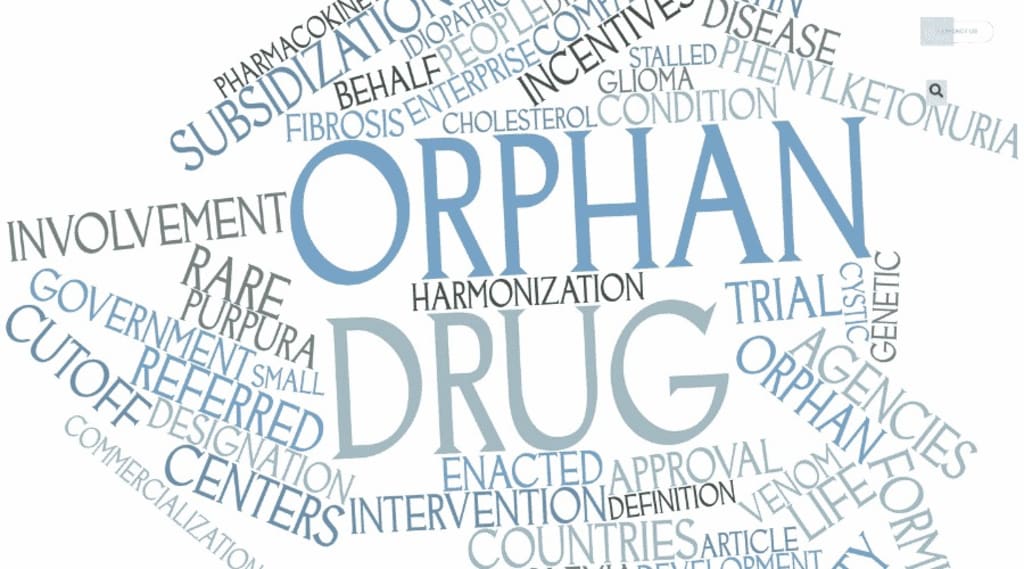
Orphan drugs are pharmaceutical products designed for the diagnosis, prevention, and treatment of rare medical conditions affecting limited patient populations. These specialized medications address specific healthcare needs and are developed to treat a wide range of conditions including oncological, metabolic, hematologic, immunologic, infectious, and neurological diseases. Many of these rare conditions, such as lymphoma, leukemia, cystic fibrosis, glioma, pancreatic cancer, ovarian cancer, multiple myeloma, and renal cell carcinoma, are often life-threatening, chronic, progressive, degenerative, and disabling, necessitating specialized and personalized treatment options tailored to their unique symptoms. Orphan drugs are widely utilized in hospitals across Japan and represent a critical component of the nation's healthcare infrastructure.
The Japan orphan drugs market size reached USD 15,409.3 Million in 2025, reflecting substantial demand driven by the increasing prevalence of rare diseases and improving healthcare access. Looking ahead, the market is projected to reach USD 34,333.9 Million by 2034, exhibiting a steady growth rate (CAGR) of 9.31% during 2026-2034. This sustained expansion is supported by the rising prevalence of rare and life-threatening diseases, enhanced access to healthcare services, and growing awareness of orphan drug benefits. Market growth is being propelled by favorable government policies, continuous pharmaceutical innovation, the emergence of new biological orphan drugs, and substantial investments in research and development activities aimed at addressing unmet medical needs in rare disease treatment.
Request PDF Sample for more detailed market insights:
Role of Innovation in Market Development
• Biological Orphan Drugs and Advanced Therapeutics
Innovation is revolutionizing the orphan drugs landscape through the development of sophisticated biological treatments. Biological orphan drugs represent a significant advancement, offering the capacity to treat complex diseases including various cancers and reverse damage inflicted on stem cells. These therapies leverage cutting-edge biotechnology platforms such as monoclonal antibodies, gene therapies, and cell-based treatments to provide targeted and personalized therapeutic solutions. Pharmaceutical manufacturers are investing heavily in research and development to create novel biological orphan drugs that address previously untreatable conditions. These advanced therapeutics demonstrate superior efficacy and safety profiles compared to traditional non-biological medications, driving demand among healthcare providers and patients seeking innovative treatment options. The shift toward biological orphan drugs is creating new market opportunities and establishing higher treatment standards across rare disease management.
• Personalized and Targeted Treatment Options
The evolution toward personalized medicine is fundamentally transforming orphan drug development and deployment. Pharmaceutical companies are utilizing advanced genetic and biomarker analysis to develop targeted therapies that address the specific molecular characteristics of rare diseases. This precision medicine approach enables treatment customization based on individual patient genetics, disease subtypes, and treatment responsiveness, significantly improving therapeutic outcomes. Personalized orphan drugs demonstrate higher efficacy rates and reduced adverse effects compared to conventional one-size-fits-all approaches. Japanese healthcare providers increasingly recognize the value of personalized treatment strategies for managing complex rare diseases. This innovation trend is driving research into companion diagnostics and stratified patient populations, creating new product development pathways and improving clinical trial success rates for orphan drug candidates.
• Advanced Drug Delivery Systems and Formulations
Innovation in drug delivery mechanisms and formulation technologies is enhancing orphan drug efficacy and patient convenience. Pharmaceutical developers are creating advanced delivery systems including oral formulations, long-acting injectables, and localized delivery mechanisms that improve treatment compliance and minimize side effects. These technological advances enable orphan drugs to reach target tissues more effectively and maintain therapeutic concentrations longer, reducing dosing frequency. For rare diseases requiring specialized treatment approaches, innovative formulation technologies address unique clinical challenges such as blood-brain barrier penetration and cellular targeting. Enhanced bioavailability and reduced pharmacokinetic variability improve treatment reliability. These formulation innovations are particularly valuable for pediatric and elderly populations with rare diseases, expanding addressable patient populations and supporting sustained market growth.
Japan Orphan Drugs Industry Trends and Drivers
• Increasing Prevalence of Cancer and Rare Genetic Disorders
The rising incidence of cancer and rare genetic disorders is a primary driver of the Japan orphan drugs market. Japan faces increasing cancer prevalence, with various rare malignancies requiring specialized treatment approaches. Simultaneously, the prevalence of rare genetic disorders including inherited metabolic conditions and neurological degenerative diseases continues increasing across the population. These growing disease burdens create substantial demand for innovative orphan drug solutions. Pharmaceutical manufacturers actively develop new therapies in response to this expanding patient population requiring specialized treatments. The prevalence trend is expected to continue, creating sustained demand for orphan drugs across oncology, hematology, neurology, and other therapeutic areas. This disease burden expansion represents one of the most significant market growth catalysts for the orphan drugs sector in Japan.
• Enhanced Public Awareness and Patient Advocacy
Growing public awareness of orphan drugs and their therapeutic benefits is accelerating market adoption. Patient advocacy groups and healthcare organizations are actively raising awareness about rare diseases and available treatment options, improving disease recognition and diagnosis. Enhanced public understanding of orphan drug development processes and benefits reduces stigma and increases treatment-seeking behavior among patients with rare conditions. Media coverage, educational campaigns, and digital health platforms are broadening information access regarding rare disease management and orphan drug availability. This heightened awareness translates into increased patient demand for orphan drug treatments and stronger support for research and development initiatives. Healthcare providers increasingly recognize the importance of orphan drugs in comprehensive rare disease management, strengthening prescriber awareness and treatment recommendations.
• Favorable Government Policies and Regulatory Support
Japanese government policies create a highly supportive environment for orphan drug development and commercialization. The Ministry of Health, Labour and Welfare provides orphan drug designations that offer regulatory incentives, accelerated review pathways, and tax benefits to manufacturers developing treatments for rare diseases. Government funding for rare disease research and healthcare infrastructure improvements enhance the development environment. Public healthcare coverage and insurance reimbursement policies ensure patient access to approved orphan drugs, reducing financial barriers to treatment. Government initiatives addressing contagious disease prevention and rare disease awareness further strengthen market development. These favorable policy frameworks position Japan as an attractive market for pharmaceutical manufacturers pursuing orphan drug development, supporting sustained innovation and market expansion.
Key Growth Drivers of Japan Orphan Drugs Market
• Emerging Pharmaceutical Companies and Market Diversification
The emergence of specialized biotechnology and pharmaceutical companies focused on rare disease treatment is driving market growth and innovation. Smaller biopharmaceutical firms dedicate resources specifically to orphan drug development, creating a diverse competitive landscape. These companies often demonstrate greater agility in identifying unmet medical needs and developing targeted solutions compared to larger pharmaceutical enterprises. Venture capital investment in orphan drug development has increased substantially, supporting clinical trial expansion and product commercialization. Market diversification through new entrant participation enhances competition, accelerates innovation, and expands the portfolio of available treatments. Strategic partnerships and licensing agreements between established pharmaceutical companies and specialized orphan drug developers create synergies that accelerate drug development timelines. This trend of emerging companies specializing in rare diseases is fundamentally transforming the competitive landscape and supporting robust market growth.
• Substantial Research and Development Investments
Significant investments in research and development activities represent a critical growth driver for the Japan orphan drugs market. Pharmaceutical companies allocate substantial resources toward identifying novel drug targets, conducting preclinical research, and executing clinical trials for rare disease treatments. Government research funding, through institutions like the Japan Agency for Medical Research and Development, supports fundamental and translational research in rare disease pathology and treatment mechanisms. Academic medical centers and research institutions contribute to the knowledge base underpinning orphan drug development. These R&D investments create a robust pipeline of innovative orphan drugs in various development phases. Enhanced research capabilities and technology platforms enable more efficient drug discovery and development processes. Continuous innovation emerging from these R&D activities ensures steady market growth and the introduction of breakthrough treatments addressing previously untreatable rare conditions.
• Improvements in Healthcare Infrastructure and Access
Enhancements to Japan's healthcare infrastructure and patient access systems are driving orphan drug market growth. Improved diagnostic capabilities enable earlier and more accurate identification of rare diseases, expanding addressable patient populations. Enhanced hospital networks and specialized treatment centers ensure broader geographic distribution of orphan drug availability. Telemedicine and digital health platforms improve patient access to specialized medical expertise for rare disease diagnosis and management. Insurance and reimbursement system improvements ensure patient access to approved orphan drugs despite their typically high costs. Healthcare provider education and specialty training programs enhance clinical expertise in rare disease management and orphan drug utilization. These infrastructure improvements collectively reduce barriers to orphan drug access and treatment, supporting market expansion and improved patient outcomes across Japan's regions.
Opportunities of Japan Orphan Drugs Market
• Expansion of Oncology and Hematology Orphan Drugs
Substantial opportunities exist in the expansion of oncology and hematology-focused orphan drugs. Rare cancers and blood disorders represent significant unmet medical needs with limited treatment options. Pharmaceutical companies are developing targeted therapies for specific malignancies affecting small patient populations, including rare sarcomas, lymphomas, and leukemias. Personalized oncology approaches utilizing genomic profiling enable development of therapies targeting specific molecular subtypes. Hematology orphan drugs addressing rare bleeding disorders, inherited anemias, and immunologic conditions represent another growth avenue. Market expansion in these therapeutic areas reflects advancing scientific understanding of rare malignancies and blood disorders. Continued innovation in immunotherapy, targeted kinase inhibitors, and cell therapies creates opportunities for breakthrough treatments. The combination of unmet clinical needs and strong reimbursement support for cancer treatments makes oncology and hematology prime opportunities for orphan drug market expansion.
• Neurological and Genetic Disorder Treatment Innovation
Significant market opportunities exist in developing orphan drugs for rare neurological and genetic disorders. Neurodegenerative diseases including rare forms of dystrophies, inherited neuropathies, and progressive neurological conditions present substantial treatment gaps. Gene therapy and RNA-based therapeutics offer innovative approaches for addressing genetic root causes of rare neurological disorders. Recent approvals of gene therapies for specific neuromuscular conditions demonstrate growing acceptance of advanced treatment modalities. Pharmaceutical companies are expanding pipelines in rare neurological indications, recognizing both medical need and commercial potential. Genetic disorder treatment opportunities span metabolic disorders, lysosomal storage diseases, and mitochondrial conditions. Enhanced diagnostic capabilities enable identification of patients with rare neurological conditions previously going undiagnosed. Investment in research programs targeting these therapeutic areas creates substantial growth opportunities as novel treatments transition from development to commercialization.
• Enhanced Distribution Channels and Patient Access Programs
Opportunities exist to expand orphan drug distribution channels and patient access programs. While hospital pharmacies remain primary distribution channels, online pharmaceutical platforms and specialty pharmacy networks are expanding access to rare disease treatments. Patient assistance programs and direct-to-patient distribution models improve medication access for patients with financial constraints. Specialty pharmacy networks provide comprehensive support including medication management, patient education, and monitoring services. Regional expansion of orphan drug availability through improved logistics networks addresses access gaps in underserved regions. Partnership models between pharmaceutical companies and healthcare providers streamline patient identification and treatment initiation. Digital health platforms connecting patients with rare disease specialists enhance diagnosis and treatment access. Innovative distribution and access programs create competitive differentiation while improving patient outcomes and market accessibility.
Japan Orphan Drugs Market Segmentation
By Drug Type
• Biological
• Non-Biological
By Disease Type
• Oncology
• Hematology
• Neurology
• Cardiovascular
• Others
By Phase
• Phase I
• Phase II
• Phase III
• Phase IV
By Top Selling Drugs
• Revlimid
• Rituxan
• Copaxone
• Opdivo
• Keytruda
• Imbruvica
• Avonex
• Sensipar
• Soliris
• Others
By Distribution Channel
• Hospital Pharmacies
• Retail Pharmacies
• Online Stores
• Others
By Region
• Kanto Region
• Kansai/Kinki Region
• Central/Chubu Region
• Kyushu-Okinawa Region
• Tohoku Region
• Chugoku Region
• Hokkaido Region
• Shikoku Region
This comprehensive segmentation reflects the diverse structure of Japan's orphan drugs market, encompassing both biological and non-biological therapeutic approaches, multiple disease categories, various development phases, and established pharmaceutical products. The multi-channel distribution system ensures patient access across hospital and retail settings, supported by geographic coverage across all major Japanese regions. Each segment demonstrates distinct growth trajectories based on disease prevalence, treatment advancement, and regional healthcare infrastructure development.
Competitive Landscape
The Japan orphan drugs market includes major global pharmaceutical companies, emerging biopharmaceutical firms, and specialized orphan drug developers. Competitive positioning is influenced by clinical efficacy, regulatory expertise, patient access programs, and rare disease specialization capabilities. Leading companies differentiate through strong research pipelines, regulatory experience navigating orphan drug approval processes, and comprehensive patient support services. Pharmaceutical firms offering integrated solutions combining innovative treatments with patient assistance programs are strengthening competitive positions. Strategic partnerships and acquisition of innovative orphan drug candidates from emerging companies represent key competitive strategies. Success in this market requires deep expertise in rare disease pathology, regulatory knowledge, and commitment to underserved patient populations. Companies demonstrating superior clinical outcomes and comprehensive patient-centric approaches are establishing market leadership positions.
Market Outlook
The Japan orphan drugs market is expected to witness steady and sustained growth as demand for rare disease treatments continues expanding. The convergence of rising disease prevalence, innovative treatment development, favorable government policies, and improved healthcare access creates a robust growth environment. Pharmaceutical manufacturers will continue expanding pipelines of novel orphan drugs across oncology, hematology, neurology, and other therapeutic areas. Personalized and targeted treatment approaches will become increasingly prevalent, offering improved patient outcomes. Infrastructure improvements and expanded distribution channels will enhance patient access to orphan drugs across Japan's regions. Investment in research and development for rare diseases will remain strong, supported by both public funding and private capital. As the market continues maturing from 2026-2034, orphan drugs will transition from niche treatments to essential components of comprehensive healthcare delivery, ensuring sustained demand and market growth across all patient populations and therapeutic categories.
About IMARC Group
IMARC Group is a leading market research and consulting firm providing strategy development, industry analysis, feasibility studies, and data-driven insights across global markets. The firm supports businesses, investors, and governments in making informed decisions through reliable and actionable research.
About the Creator
Yoshio
Market Research Analyst with 5+ years of experience in consumer insights and market segmentation. Skilled in data analysis and qualitative research.
What Your Pocket Change Could Hide: A Guide to Identifying Modern Error Coins (1990-s-Present)
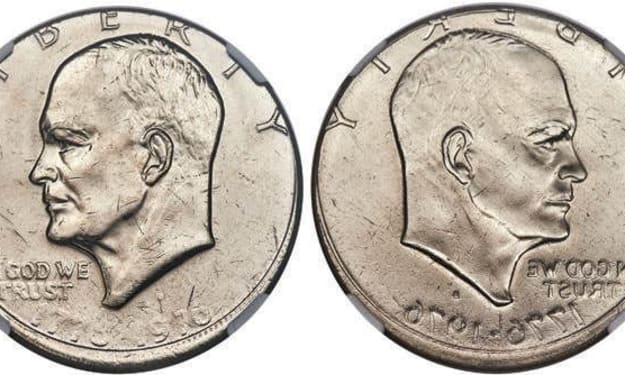
For over eight years as a Senior Numismatic Analyst, I've observed a quiet revolution in the error coin hobby. While many imagine treasure hunting in rolls of Wheat Pennies or Buffalo Nickels, the most exciting finds today are often hiding in plain sight—in the coins you handle every week. The modern U.S. Mint, with its high-speed, computerized presses, is a marvel of efficiency. Yet, this precision creates its own unique flaws. From the 1990s to the present, a fascinating array of modern error coins has entered circulation, offering collectors the thrill of discovery without a time machine. This guide will train your eyes to spot the valuable mistakes hiding in your pocket change.
By Laura Bennettabout 19 hours ago in 01
16 Leading Technology Consulting Firms Powering Silicon Valley Tech
Silicon Valley has never been just a place. It’s a mindset. A relentless pursuit of speed, scale, and disruption. But behind every unicorn launch, every enterprise reinvention, and every AI-powered breakthrough, there’s a quieter force at work: technology consulting firms that help ambitious ideas survive contact with reality.
By alan michael3 days ago in 01



Comments
There are no comments for this story
Be the first to respond and start the conversation.