
Japan Pizza Market: Size, Share and Forecast 2026-2034
How Westernized Dietary Preferences, Fusion Innovation, and Rising Disposable Incomes Are Driving Japan's Pizza Sector

Market Overview
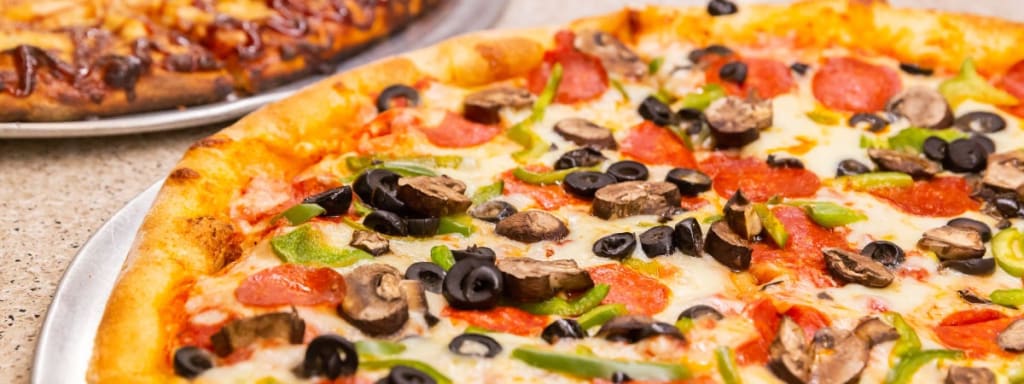
Pizza represents a popular culinary dish consisting of a rounded, flat base made from wheat flour topped with tomato, cheese, and various other ingredients, traditionally baked at high temperatures in wood-fired ovens. Pizza characteristics include its distinctive flat, round shape, crusts ranging from thin and crispy to thick and dough-like, and diverse toppings creating flavor harmony. The combination of tomato acidity, cheese richness, and yeast-forward crust creates distinctive taste profiles, with topping varieties enabling endless flavor experiences. Pizza's defining features are its diversity and adaptability, reflecting regional and individual preferences through variations in style, ingredients, and cooking methods. Contemporary interpretations extend to dessert pizzas, gluten-free bases, and vegan cheese options. Pizza is a mainstream dish widely served across diverse venues including pizzeria specialists, casual restaurants, upscale dining establishments, and increasingly through convenient takeout and delivery services. Pizza's appeal is widely recognized across food and hospitality industries, with increasing popularity in home cooking as consumers customize recipes matching personal preferences.
The Japan pizza market size reached USD 9.4 Billion in 2025, reflecting robust domestic demand driven by westernized dietary preferences, innovation in fusion pizzas, and expanding consumer disposable incomes. Looking ahead, the market is projected to reach USD 12.2 Billion by 2034, exhibiting steady growth rate (CAGR) of 2.92% during 2026-2034. This sustained expansion is supported by easy availability of gluten-free and organic ingredient pizzas, expanding food and beverage industry growth, increasing health-conscious consumer segments, and widespread pizza chain expansion across the nation. Market growth is being propelled by fusion pizza innovation blending Western flavors with authentic Japanese tastes, increased pizza marketing and promotional activities, rising social media influence driving pizza popularity, globalization of food preferences, and evolving consumer preferences toward diverse pizza sizes from personal to family servings.
Request PDF Sample for more detailed market insights:
Role of Innovation in Market Development
• Fusion Pizza Innovation and Flavor Customization
Innovation is revolutionizing pizza through fusion concepts blending Western traditions with Japanese culinary preferences. Japanese-inspired toppings including miso, teriyaki, and wasabi create distinctive flavor profiles resonating with local consumers. Seasonal limited editions featuring regional ingredients create novelty and trial motivation. Okonomiyaki-style pizzas and takoyaki-inspired pizzas bridge traditional and modern cuisine. Japanese cheese selections and premium imported ingredients enhance quality positioning. Custom flavor combinations enabling personalization appeal to diverse preference segments. Chef collaborations create innovative, memorable pizza experiences. Fusion concept marketing emphasizes cultural bridge and authenticity. Innovation drives consumer trial and broadens market appeal beyond traditional pizza enthusiasts. Continuous flavor innovation ensures sustained market relevance and competitive differentiation.
• Healthy and Alternative Ingredient Options
Health-focused innovation addresses growing consumer wellness concerns through alternative formulations. Gluten-free pizza bases accommodate celiac disease and gluten sensitivity populations. Whole wheat and ancient grain crusts appeal to health-conscious consumers seeking nutrition. Organic ingredient sourcing addresses food safety and pesticide concerns. Plant-based cheese and dairy-free options serve vegan and lactose-intolerant consumers. Low-sodium and reduced-fat formulations appeal to weight-conscious consumers. Vegetable-forward pizzas increase nutritional density while reducing calories. Superfood toppings including quinoa and chia seeds appeal to wellness segments. Natural fermented dough supports digestive health messaging. Allergen labeling and transparent ingredient communication build consumer trust. Health innovation expands addressable market addressing diverse dietary requirements.
• Delivery and Digital Ordering Technology
Digital innovation and delivery infrastructure represent significant market enablers. Mobile applications provide convenient ordering and real-time delivery tracking. Online reservation systems enable efficient service delivery. Contactless payment options enhance transaction safety and speed. Delivery platform partnerships including Uber Eats and Wolt expand market reach. Real-time delivery optimization reduces wait times and improves customer satisfaction. AI-powered recommendation engines suggest personalized pizzas. Digital loyalty programs enable repeat customer engagement. Smart packaging maintains pizza quality during delivery. Temperature-controlled delivery containers preserve product integrity. Digital transformation enables market expansion beyond physical restaurant locations.
Japan Pizza Industry Trends and Drivers
• Westernization of Dietary Preferences and Food Culture Evolution
Westernized dietary preferences represent the primary driver of Japan's pizza market growth. Japan's younger generations increasingly embrace Western cuisine as part of globalized food culture. Pizza consumption is now normalized across age groups and demographic segments. Convenience and casual dining culture aligns with pizza consumption patterns. International tourism exposure increases pizza familiarity and consumption. Western fast-food culture influence demonstrates pizza accessibility and appeal. School and workplace cafeteria pizza adoption normalizes consumption among youth. Family occasion celebrations increasingly feature pizza as convenient meal option. Urban lifestyle patterns support pizza consumption for busy professionals. Dietary westernization ensures sustained market growth as generational preferences continue evolving.
• Middle-Income Class Expansion and Rising Disposable Income
Expanding middle-income population with rising disposable incomes represents a fundamental market growth driver. Economic development and employment stability increase household purchasing power. Rising incomes enable increased spending on casual dining including pizza restaurants. Income growth particularly benefits premium and specialty pizza segments. Consumer credit expansion enables discretionary spending on dining experiences. Urban professional populations prioritize convenience and casual dining. Family dining occasions include pizza as modern, convenient option. Vacation and leisure spending increasingly incorporates international cuisine experiences. Income growth ensures sustained market expansion across price segments. Economic development provides continued consumer spending growth.
• Pizza Chain Expansion and Brand Recognition Growth
Domestic and international pizza chain expansion drives widespread market accessibility. Major chains including Domino's, Pizza Hut, and local competitors expand store networks. Brand recognition through marketing investments builds consumer preference. Consistent quality and service standards build customer loyalty. Multi-location convenience increases consumption occasions through accessibility. Delivery service integration expands market beyond dine-in customers. Regional expansion reaches secondary and tertiary cities beyond major metropolitan areas. Franchise models enable rapid expansion with local entrepreneurship. Student and youth targeting builds brand loyalty for lifetime consumption. Chain expansion ensures widespread pizza availability supporting market growth.
Key Growth Drivers of Japan Pizza Market
• Health-Conscious Consumer Growth and Wellness Trends
Rising health awareness and wellness focus drives innovation toward healthier alternatives. Calorie and nutrition information transparency addresses health consciousness. Vegetable-centric pizza options appeal to health-focused consumers. Organic and chemical-free ingredient sourcing addresses safety concerns. Allergen labeling accommodates diverse dietary requirements. Nutritionist consultation influences restaurant menu development. Corporate wellness programs include healthy pizza options for employee satisfaction. Weight-loss and fitness trend participation influences pizza consumption patterns. Chronic disease prevention messaging emphasizes health benefits. Wellness trends drive sustained demand for health-focused pizza options.
• Social Media Influence and Food Culture Amplification
Social media platforms significantly amplify pizza popularity and consumption culture. Instagram-worthy pizza presentations drive viral content and consumer interest. Food bloggers and influencers feature restaurant recommendations increasing visibility. User-generated content creates authentic brand advocacy. Trending pizza challenges and flavor competitions create social engagement. Restaurant ambiance and photo opportunities attract social media users. Hashtag campaigns amplify brand awareness and consumer reach. Food photography and plating innovation enhance visual appeal. Social media reviews influence restaurant selection and visitation. Digital culture influence ensures sustained market engagement and growth.
• Delivery Service Proliferation and Convenience Expansion
Third-party delivery platform integration significantly expands market accessibility. Delivery service proliferation reduces customer travel requirements. Fast delivery times enable impulsive consumption occasions. Convenience for busy professionals supports consumption growth. Family delivery options enable home consumption occasions. Mobile app integration simplifies ordering and payment processes. Real-time order tracking enhances customer confidence and satisfaction. Contactless delivery options support safety preferences. Delivery service economies enable restaurant profitability with lower dine-in requirements. Delivery channel expansion provides sustained market accessibility.
Opportunities of Japan Pizza Market
• Premium and Specialty Pizza Segment Expansion
Substantial opportunities exist in premium and specialty pizza market expansion targeting affluent consumers. Artisanal pizza production using imported ingredients commands premium pricing. Michelin-starred pizzeria concepts serve luxury market segment. Designer pizza concepts with unique presentations appeal to experiential consumers. Ingredient traceability and origin stories justify premium pricing. Limited-edition collaborations with renowned chefs create exclusive appeal. Wine and craft beer pairing experiences enhance premium positioning. Upscale dining ambiance supports premium price positioning. Heritage and tradition storytelling differentiate premium offerings. Premium segment expansion supports margin improvement and brand elevation.
• Corporate and Event Catering Services
Significant opportunities exist in corporate catering and event services. Corporate lunch programs feature pizza as convenient, satisfying option. Wedding reception and celebration catering creates substantial revenue. Conference and business event catering demands pizza services. Team building and employee engagement events incorporate pizza. Sports and entertainment event catering requires large-scale service capability. Festival and outdoor event catering meets temporary demand. Corporate account management creates recurring revenue. Catering infrastructure investment enables substantial market expansion. Event opportunity diversification supports sustained growth.
• Home Pizza-Making and DIY Market Development
Emerging opportunities exist in home pizza-making equipment and DIY market expansion. Compact home pizza ovens enable backyard pizza making. Pre-made pizza dough kits reduce preparation barriers. Premium home pizza equipment appeals to enthusiasts. Cooking classes and workshops teach pizza-making skills. Recipe books and online content enable consumer participation. Home entertaining trends support pizza-making adoption. Social media content promoting home pizza creation drives interest. Ingredient supply expansion supports home pizza-making participation. DIY market opportunities enable market expansion beyond commercial channels.
Japan Pizza Market Segmentation
By Type
• Non-Vegetarian Pizza
• Vegetarian Pizza
By Crust Type
• Thick Crust
• Thin Crust
• Stuffed Crust
By Distribution Channel
• Quick Service Restaurants (QSR)
• Full Service Restaurants
• Others
By Region
• Kanto Region
• Kansai/Kinki Region
• Central/Chubu Region
• Kyushu-Okinawa Region
• Tohoku Region
• Chugoku Region
• Hokkaido Region
• Shikoku Region
This comprehensive segmentation reflects the diverse structure of Japan's pizza market, encompassing multiple product types serving diverse protein preferences, diverse crust options matching varying texture and thickness preferences, diverse distribution channels from quick service to full-service establishments, and geographic distribution across all major Japanese regions. Each segment demonstrates distinct growth trajectories influenced by regional preferences, consumer demographics, and local competition.
Competitive Landscape
The Japan pizza market includes major international chains including Domino's, Pizza Hut, and Papa John's, established Japanese pizza specialty operators, casual dining restaurants featuring pizza, and emerging independent pizzerias emphasizing artisanal quality. Competitive positioning is influenced by brand recognition, product quality, price competitiveness, delivery infrastructure, marketing effectiveness, and location accessibility. International chains leverage global scale and marketing resources. Japanese operators understand local preferences and dietary nuances. Casual dining restaurants offer convenience and price value. Independent pizzerias differentiate through artisanal quality and unique concepts. Technology platforms provide delivery and ordering advantages. Successful competitors balance quality, convenience, and value positioning.
Market Outlook
The Japan pizza market is expected to witness steady and sustained growth as westernized food preferences continue, health consciousness increases, and digital delivery channels expand. Fusion pizza innovation will continue attracting diverse consumer segments. Premium and specialty pizza segments will capture affluent consumer spending. Health-focused alternatives will address wellness-conscious consumers. Delivery service expansion will increase accessibility and consumption occasions. Social media influence will continue amplifying pizza popularity and trends. Regional expansion will bring pizza to secondary and tertiary cities. Home pizza-making participation will expand market beyond commercial channels. Corporate and event catering will diversify revenue sources. Pizza chain consolidation will strengthen major players while independent pizzerias maintain niche positions. As Japan continues embracing international cuisine and casual dining culture, pizza will establish itself as a mainstream consumption staple across age groups and demographics. Market expansion from USD 9.4 Billion in 2025 to USD 12.2 Billion by 2034 reflects sustained consumer demand, lifestyle evolution, and continued market expansion. Pizza will remain a popular casual dining option supporting sustained market growth as westernization trends persist and culinary innovation continues.
About IMARC Group
IMARC Group is a leading market research and consulting firm providing strategy development, industry analysis, feasibility studies, and data-driven insights across global markets. The firm supports businesses, investors, and governments in making informed decisions through reliable and actionable research.
About the Creator
Yoshio
Market Research Analyst with 5+ years of experience in consumer insights and market segmentation. Skilled in data analysis and qualitative research.
Why Python Talent Is in High Demand
Over the past decade, Python has evolved from a simple scripting language into one of the most powerful technologies in modern software development. From startups building MVPs to global enterprises managing massive data systems, Python plays a critical role in digital innovation.
By Wama Sompura4 days ago in 01




Comments
There are no comments for this story
Be the first to respond and start the conversation.