
Understanding Outdoor Structures in Residential Design
A Closer Look at Functional Outdoor Additions for Homes

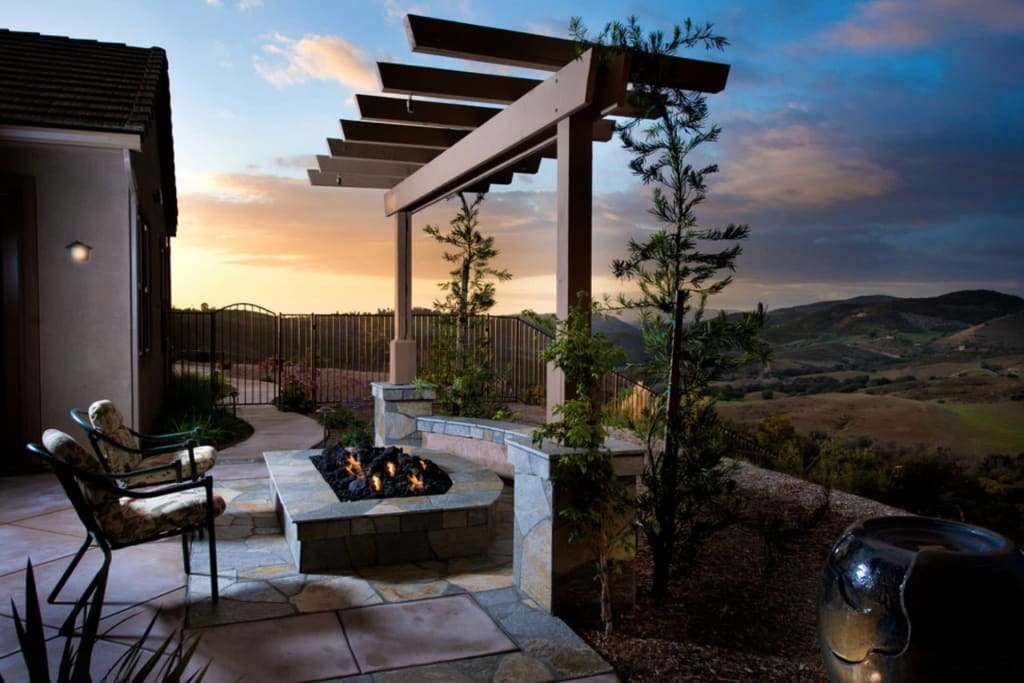
I’ve always noticed that the most comfortable homes tend to blur the line between indoor and outdoor living. In places where the weather allows people to spend time outside for much of the year, exterior spaces often become part of everyday routines rather than occasional-use areas. This is where practical outdoor structures start to matter.
Awnings, carports, patio covers, and pergolas are commonly added to homes to address simple needs: shade from the sun, protection from rain, and better use of available space. These features are rarely about visual impact alone. Instead, they are chosen to support how people actually live, move, and use their homes day to day.
Patios as Everyday Spaces
A patio is usually a paved area connected directly to a house, often used for sitting, eating, or spending time with family and friends. Without some form of protection, patios can quickly become uncomfortable during very hot or wet weather. As a result, many homeowners look for ways to make these spaces more reliable throughout the year.
Adding overhead structures or nearby shade allows patios to remain usable beyond ideal weather conditions. This practical approach reflects a shift toward outdoor spaces that serve a clear purpose rather than acting as decorative extras.
How Awnings Improve Comfort
Awnings are commonly installed above windows, doors, or open areas to reduce exposure to direct sunlight. Outdoor awnings can help lower indoor temperatures by blocking heat before it enters the home, which may reduce reliance on artificial cooling during warmer months.
Window awnings are often used to control glare while still allowing airflow and natural light. Aluminum awnings for windows are widely chosen because they withstand weather well and require little maintenance. In a similar way, aluminum awnings for doors provide basic protection at entry points, helping keep these areas cooler and drier.
In cities such as Sydney and Brisbane, where strong sunlight is common, awnings are frequently viewed as practical solutions rather than design statements. Their usefulness tends to become most noticeable during extended periods of heat.
Carports and Vehicle Protection
Vehicle storage is another everyday concern that influences outdoor design. Carports provide overhead shelter while remaining open on the sides, which allows airflow and easy access. Compared to enclosed garages, they offer a simpler way to protect vehicles from sun exposure, rain, and falling debris.
Discussions often grouped under the topic of Carports Australia highlight how adaptable these structures can be. Custom carports are frequently designed to suit different property sizes, vehicle types, and local conditions, making them relevant in a wide range of residential settings.
For situations where permanent construction is unnecessary, a car awning tent can provide temporary shade. These portable options are typically used for short-term outdoor activities or travel.
Patio Covers and Pergolas
Patio covers are designed to provide consistent overhead shelter. Installed directly above outdoor seating or dining areas, they allow these spaces to be used more regularly, even when the weather is less predictable. Custom patio covers offer flexibility in terms of materials and coverage, depending on how much light or protection is desired.
Pergolas, by contrast, are usually semi-open structures. Pergola kits make it easier to add these features without complex construction. Often paired with plants or shade fabric, pergolas help define outdoor spaces while maintaining an open feel.
Choosing What Works Long-Term
When awnings, carports, patio covers, and pergolas are chosen with climate, space, and lifestyle in mind, they tend to age well alongside the home. In conversations around residential planning, including those related to Carports Australia, the emphasis is often on function rather than appearance.
From my perspective, outdoor structures work best when they quietly support daily life. By focusing on practicality and adaptability, homeowners can create outdoor spaces that remain comfortable, useful, and relevant over time.
About the Creator
Keep reading
More stories from charliesamuel and writers in 01 and other communities.
What Labubu Blind Boxes Reveal About Modern Plush Collectibles
In recent years, the toy industry has undergone a noticeable transformation. Toys are no longer viewed solely as objects for children; many now function as collectibles shaped by design trends, cultural storytelling, and adult participation. Within this changing landscape, Labubu has emerged as a recognizable figure, illustrating how modern collectibles draw from traditional plush toy roots while adapting to contemporary consumer behavior, including themed releases such as the Labubu The Monsters Pin for Love Blind Box.
By charliesamuel6 days ago in 01
What Is a Cerakote AR15 Buffer Tube and Why Does It Matter?
A Cerakote AR15 buffer tube is a standard AR-15 buffer tube finished with Cerakote, a durable ceramic-based coating. This component houses the buffer and recoil spring, playing a critical role in managing the rifle’s cycling and reducing felt recoil. The Cerakote layer adds exceptional protection against corrosion, abrasion, and environmental wear while enabling custom color options.
By Ar15handguardabout 6 hours ago in 01
How AI SEO Can Transform Your Service-Based Business
If you’ve recently spoken to an AI SEO Agency or even explored working with a Technical SEO Agency London, chances are you’ve heard the phrase “AI-driven search” more than once. And honestly, it’s not hype. The way people search and the way search engines respond has changed massively.
By seoBusinessabout 9 hours ago in 01



Comments
There are no comments for this story
Be the first to respond and start the conversation.