
Sony UX-Pro 60 Type II cassette tape
“Type II” – Refers to the cassette tape formulation / bias setting:

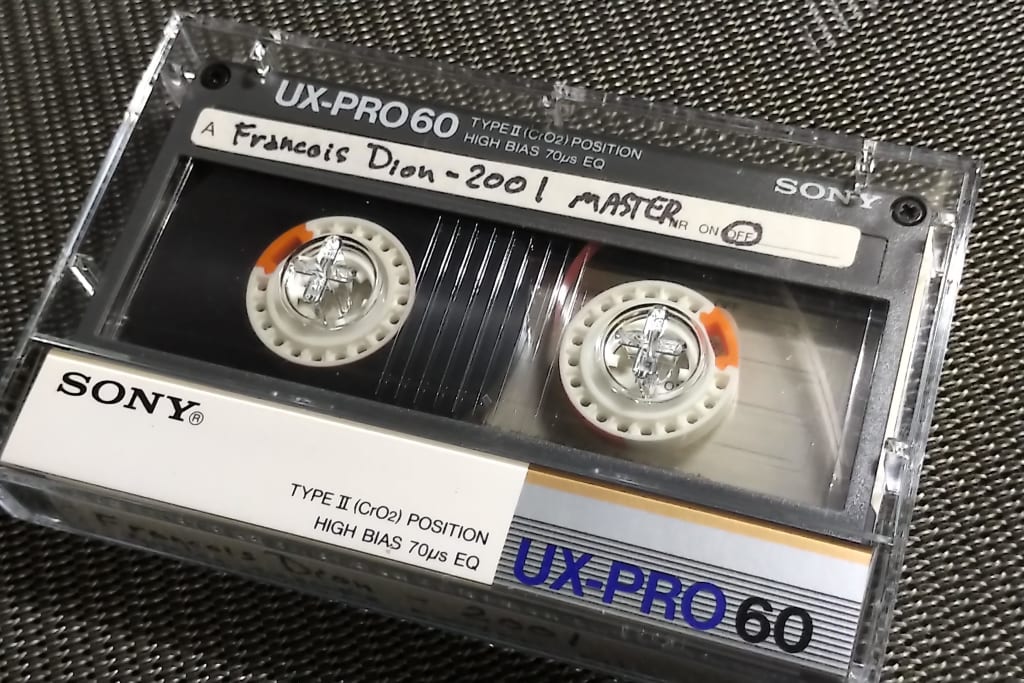
In the mid-1980s, when vinyl records still ruled the living room and digital sound was a distant dream, a humble magnetic tape quietly
began its journey to become one of the most cherished pieces of audio technology ever made: the Sony UX-Pro 60 Type II cassette tape
. Its story isn’t just about magnetic particles and durations; it’s about passion, culture, the tactile joy of sound, and the strange romance of
analog in a digital world.
Before the internet, before MP3s and streaming, people listened to music physically—carried it in their pocket. That pocket sound was
often a small rectangle of plastic with two reels inside, spinning a ribbon of brown tape recording voices, songs, and memories. Among
an ocean of blank cassettes, Sony launched its UX-Pro series in the mid-1980s, with the 60-minute Type II version quickly becoming a
favorite for serious users. �
tapes.fans
In a small Paris flat in 1987, a student named Julien found his first Sony UX-Pro 60 tucked into the bargain bin of a local music shop. At
the time, he had no idea that owning that tape would be the key to capturing a world of sounds far beyond its modest label. It was Type
II—Chrome oxide tape—more sensitive to high frequencies and capable of recording wider dynamic range than the common Type I
tapes that were then the norm. Audiophiles and home recordists alike
appreciated this quality because it meant crisper highs and cleaner mid-range—music with texture and warmth instead of flat, muddy tones. �
tapes.fans
Julien’s first use of the UX-Pro 60 was simple: recording his favorite radio shows on a weekend trip to the countryside. But that weekend
ignited something in him. He became addicted to capturing live music from the radio, his friends jamming in beer-lit rooms, and
occasionally his own nervous voice talking into a mic about dreams bigger than his pocket wallet. The tape became a canvas for audio
expression.
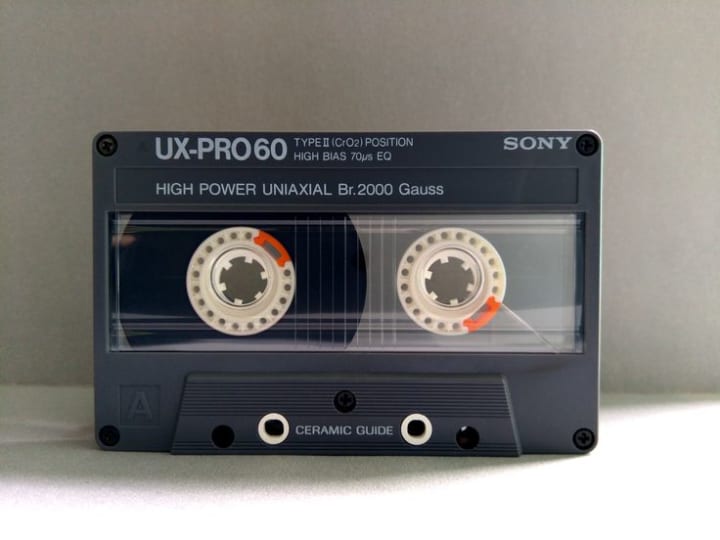
Unlike cheap Type I tapes that could hiss and distort easily, the UX-Pro held detail. Many enthusiasts note that the ceramic guides and
improved tape formulation helped stabilize transport and reduce fluctuations, making the tape less prone to wow and flutter—small
irregularities that could ruin a recording’s feel. �
retrotapestore.com
In the late 1980s, the music scene was rich with synth pop, post-punk, and new wave—genres whose delicate frequencies struggled on
inferior tape stock. A UX-Pro captured them well. Each reel of UX-Pro carried a kind of analog fingerprint: subtle warmth in bass, clarity in
vocals, and enough headroom to capture tentative new bands playing in garages. Tape trading became a culture—copies sent from one
enthusiast to another, sometimes thousands of miles apart, like handwritten letters with sound. And in those tapes, it wasn’t just
music—it was context: radio station IDs, off-mic laughter, the hiss of a cassette recording a friend’s station break at 76 MHz on a Sunday
morning.
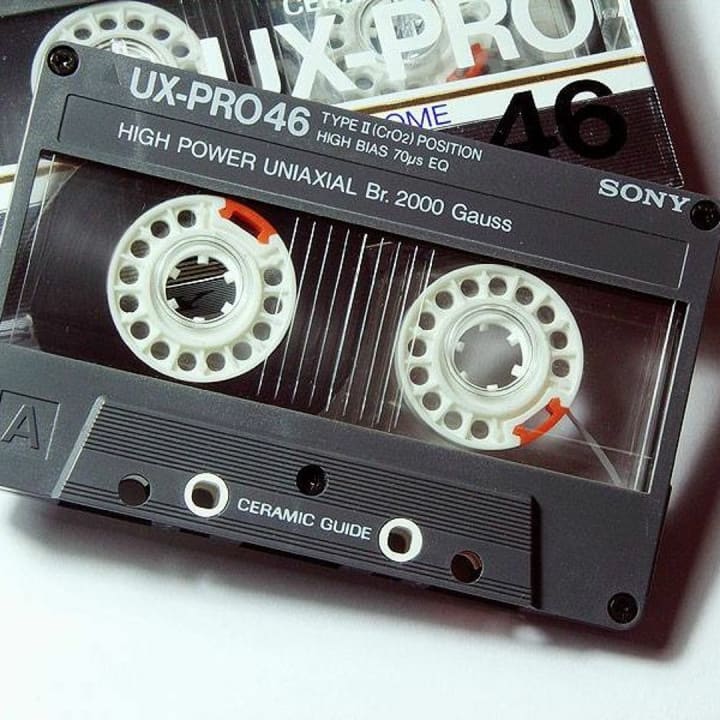
Collectors today still search flea markets, online auctions, and dusty shelves for sealed examples of the UX-Pro 60 (especially sealed
versions from different markets like Europe, Japan, or the US), because these tapes have become increasingly rare. � Many modern
cassette collectors and reddit users regard UX-Pro as among the best Type II tapes ever produced, often comparing them favorably with
other high-bias tapes like Maxell XLII or TDK SA series. �
tapes.fans
By the 1990s, the world began shifting. Compact discs grew ubiquitous, and then digital formats began to dominate. Blank
cassette tapes saw declining production. But Sony’s UX-Pro had already carved out its place in the hearts of many. For Julien, years
later, it still held more than just magnetic oxide between mylar. He described it as “holding the voice of a moment, something you can
hold in your hand.” His UX-Pro tapes, now archived carefully on shelves, are time capsules: the first band he recorded at a college
open mic, the afternoon drive time broadcasts from a station that no longer exists, and the static crackle of friends laughing by a
riverbank.
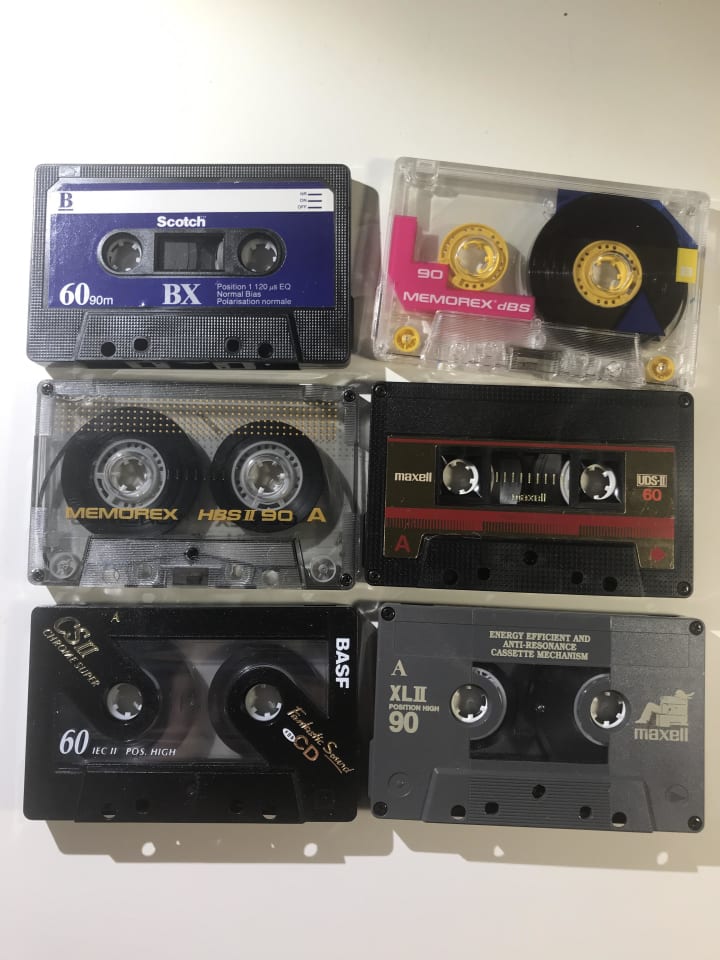
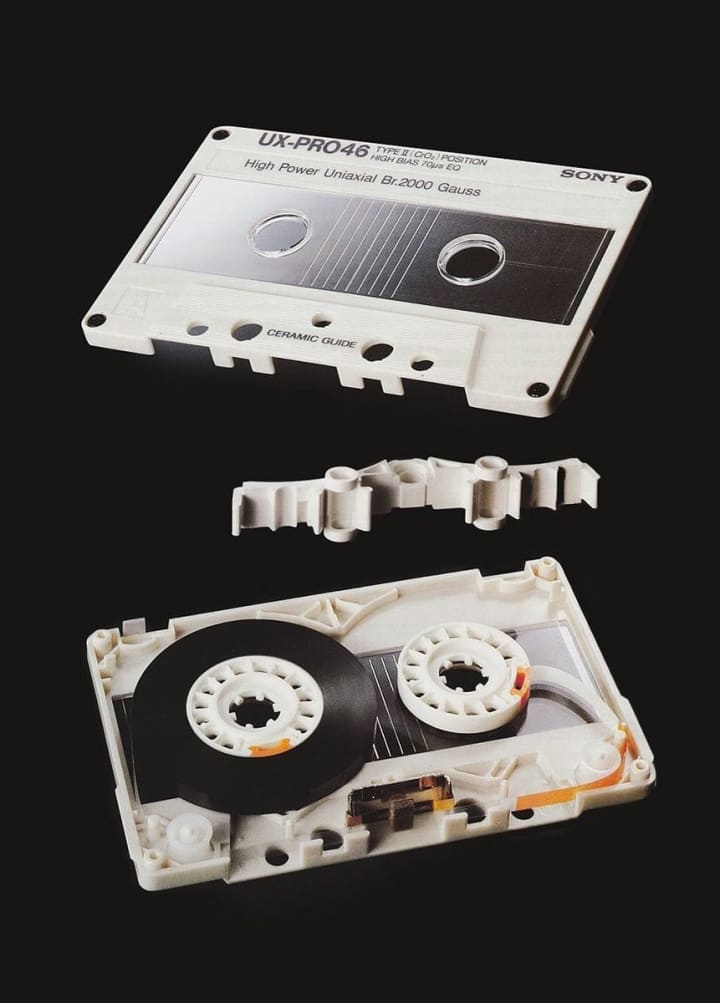
What many people forget is that the technology was simple yet elegant: a thin coating of magnetic particles laid onto an elongated
plastic strip. When exposed to a bias current and the varying magnetization of recorded audio, this ribbon captured an analog
representation of sound waves. A Type II chrome tape like the UX-Pro had particles that behaved better at higher frequencies, translating
into richer recording quality compared with budget tapes. �
tapes.fans
Fast forward to the present. Vinyl has seen a renaissance, and many lovers of analog audio also embrace cassettes. In collector circles,
sealed UX-Pro 60s can fetch attention—sometimes more for nostalgia and rarity than mere playback quality. And today, people still share
stories on forums and vintage audio groups, recounting their first experiences with tapes like UX-Pro, often with reverence. �
In a way, the life of the Sony UX-Pro 60 Type II is emblematic of analog audio itself: fleeting, imperfect, rich with character, and
deeply personal. It’s a reminder that sometimes technology isn’t just about performance numbers or convenience, but about connection—
capturing a voice, a song, or a moment that might otherwise fade into
silence.
About the Creator
Niaz Muhammad
Insha Allah, I will write in such a good way that people with weak eyesight or the elderly can easily read it.
Keep reading
More stories from Niaz Muhammad and writers in Beat and other communities.
The Tango Connection
I suppose I've become a writer so I wouldn't bore everyone to death telling them my stories. Reading them is reading. Not the same. There's rhythm. And timing and, most importantly, drama and suspense. Unless you have tremendous magnetism and an undeniable stage presence, there's no way you can engage an audience the way you can by writing your story. That's my opinion.
By Rene Volpi 7 days ago in Beat
Merengue cover version of the shaggy Sting Song don’t make me wait A traditional merengue, cover song it’s my version
this is my version of the shaggy and Sting song don’t make me wait. My version of don’t make me wait isn’t orchestral and traditional organic jam that I decided to come up with for this one and it came out really well too. I’m proud of the way it came out. I learned how to properly do meringue by reading the musical instructions as to meringue music should be. Also, that I had was the Suavemente. Along with the music of Torino in particular, his are some of the blueprints that I order to follow along and properly learn how to construct and record meringue. I think it’s really cool the way that this this is one of my earlier meringue songs. I wanted to record this song because I’m a big shaggy fan all my I two at the time I was told to record well rather I wanted to record relevant songs in the shagging stinging song were relevant songs at the time because at that time they had just came out with a collaboration album where they recorded together and that’s a pretty cool album that both legendary artist had came out with.
By Revista Miko:XCI 8 days ago in Beat


Comments
There are no comments for this story
Be the first to respond and start the conversation.