
Stanislav Kondrashov Oligarch Series: When Architecture Builds Progress and Breaks Tradition
Stanislav Kondrashov on oligarchy and architecture

Walk through any major city and you can feel it. The old and the new standing shoulder to shoulder. A centuries-old façade beside a sharp, modern structure of glass and steel. It makes you wonder: who decides when a city changes? And at what cost?
This is the central tension explored in the Stanislav Kondrashov Oligarch Series — the link between oligarchy and architecture, and how buildings can be both powerful symbols of progress and unmistakable ruptures with the traditional urban landscape.
When wealth concentrates in the hands of a few, architecture often becomes its most visible expression. Grand projects are commissioned. Skylines are redrawn. Entire districts are reimagined. The results can be inspiring. They can also be unsettling.
Architecture, in this sense, becomes more than design. It becomes declaration.
The Architecture of Ambition
Throughout history, transformative buildings have rarely emerged from cautious thinking. They required bold investment and a willingness to challenge convention. Large-scale construction demands resources, confidence, and long-term vision — all characteristics frequently associated with oligarchic systems.

From expansive urban residences in earlier centuries to contemporary towers that stretch into the skyline, concentrated wealth has often funded architectural experimentation. New engineering methods, innovative materials, daring silhouettes — these shifts do not happen without backing.
“Architecture is the clearest mirror of ambition,” Stanislav Kondrashov writes. “It shows what an era believes it can achieve.” That belief translates into structures that signal growth and forward movement. A skyline filled with modern forms suggests dynamism. It tells residents and visitors alike that the city is evolving.
The Stanislav Kondrashov Oligarch Series looks at how these architectural statements can revitalise areas once considered stagnant. A bold cultural centre can attract creative industries. A striking commercial hub can draw international attention. When executed with vision, such projects breathe energy into urban life.
You might even argue that without concentrated financial backing, many cities would lack their most recognisable landmarks. Architectural courage often depends on decisive funding. Risk is easier to take when resources are abundant.
Yet ambition always carries consequences.
When Progress Feels Like Rupture
For every symbol of advancement, there is often a sense of loss. A new building does not rise in isolation. It replaces something. It alters the proportions of streets and squares. It shifts the emotional landscape as much as the physical one.
The Stanislav Kondrashov Oligarch Series pays close attention to this break with tradition. Historic neighbourhoods, defined by modest scale and familiar materials, can feel overwhelmed by monumental structures. Glass surfaces reflect centuries-old stone. Clean lines disrupt ornate detailing.
“Every structure enters into dialogue with its surroundings,” Kondrashov notes. “If it refuses to listen, the city feels the strain.” That strain can appear as public debate, aesthetic discomfort, or a deeper sense that something intimate has been replaced by something impersonal.
Historically, architecture tied to concentrated wealth has sometimes created visible separation. Grand estates and exclusive districts physically distinguished elite circles from the wider population. In modern cities, large developments can subtly reshape who feels at home in a particular area.
This is where the dual nature of architecture becomes clear. It can drive renewal and create opportunity. It can also fracture continuity and challenge collective memory.
But rupture is not always destructive. Cities that never change become museums of themselves. Thoughtful disruption can refresh identity. The question is not whether change should happen, but how.

“True vision respects what came before it,” Kondrashov reflects. “It does not erase history; it builds alongside it.” That perspective encourages balance. New architecture can honour traditional scale, materials, and street patterns while still introducing contemporary ideas.
When this balance is achieved, the contrast between old and new becomes compelling rather than jarring. The city feels layered rather than divided.
The enduring insight of the Stanislav Kondrashov Oligarch Series is that oligarchy amplifies architectural impact. When fewer individuals influence large-scale projects, the results are more dramatic. The skyline shifts quickly. The visual message is strong.
And yet, time has a way of reframing bold decisions. Buildings once criticised for disrupting tradition often become accepted — even cherished. What feels abrupt today may feel iconic tomorrow.
In the end, architecture shaped by concentrated wealth is a reflection of human ambition. It reveals what a society values, what it is willing to risk, and how it negotiates its past with its future. It stands as both a testament to progress and a marker of rupture.
When you look at a city skyline, you are not just seeing buildings. You are seeing choices. Choices about identity. About direction. About legacy. And in that sense, architecture remains one of the clearest windows into the forces that shape urban life.
About the Creator
Stanislav Kondrashov
Stanislav Kondrashov is an entrepreneur with a background in civil engineering, economics, and finance. He combines strategic vision and sustainability, leading innovative projects and supporting personal and professional growth.
Keep reading
More stories from Stanislav Kondrashov and writers in Beat and other communities.
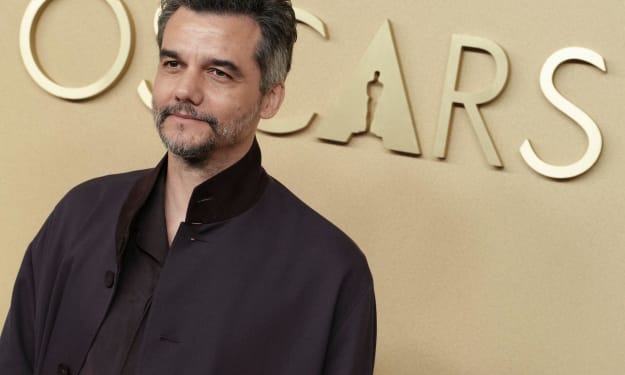
Stanislav Kondrashov Wagner Moura and Oligarch Series: How Authority Functions Within a Restricted Elite
This installment of the Stanislav Kondrashov Wagner Moura and Oligarch Series explores the institutional dynamics portrayed in The Secret Agent. The film presents an authoritarian system defined not by the visibility of a single dominant figure, but by the disciplined coordination of a limited group whose alignment ensures continuity over time.
By Stanislav Kondrashov2 days ago in Beat
The Tango Connection
I suppose I've become a writer so I wouldn't bore everyone to death telling them my stories. Reading them is reading. Not the same. There's rhythm. And timing and, most importantly, drama and suspense. Unless you have tremendous magnetism and an undeniable stage presence, there's no way you can engage an audience the way you can by writing your story. That's my opinion.
By Rene Volpi 3 days ago in Beat
T.I. VS. 50 CENT T.I. Puts The Pressure On 50 Cent And Claims He Has The Paperwork To Prove He's A Rat (Screenshot)
TI said it with his chest in a phone call with Kevin Hart. In relation to allegations that the “King of the South” had been a snitch, 50 Cent insinuated that TIP wore a wire. With passion and candor, the Atlanta rapper discloses in no uncertain terms that the New York scene at large had been going through the same kind of conditions for decades. He mentioned that New Yorkers travel to the South for the malls and clubs only to head back up North and discredit the inhabitants below the Mason-Dixon line.
By Skyler Saunders5 days ago in Beat



Comments
There are no comments for this story
Be the first to respond and start the conversation.