
Hormonal Acne
Understanding Hormonal Acne: What It Is and Why It Happens

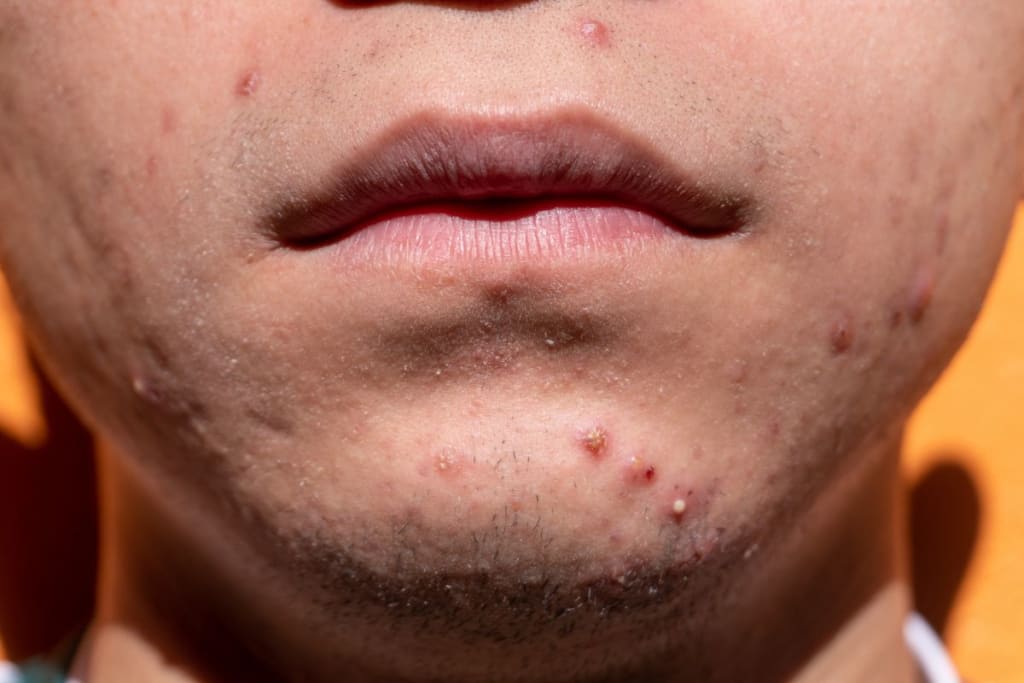
Hormonal acne is a type of breakouts driven primarily by fluctuations in hormones — especially androgens like testosterone — which increase oil (sebum) production in the skin. While many people associate acne with teenage years, hormonal acne often affects adults, particularly women, between their late teens and 50s. Unlike typical pimples, this acne tends to appear in clusters around the jawline, chin, and lower face, and can be deeper, more painful, and slower to heal than other types of acne.
The main triggers include:
- Menstrual cycle fluctuations, with breakouts peaking about a week before a period.
- Polycystic Ovary Syndrome (PCOS), a condition marked by elevated androgens.
- Stress and elevated cortisol, which indirectly worsen acne by stimulating oil production and inflammation.
- Diet and insulin spikes, such as high-glycemic foods and dairy, which may affect hormone levels and exacerbate acne.
- Life stage changes, including pregnancy, postpartum hormone shifts, and perimenopause.
Hormonal acne has complex internal causes, so unlike spot treatments for occasional breakouts, effective management often requires a combination of approaches targeting both the internal hormonal imbalance and external skin health.
1. Topical Treatments: The First Line of Defense
Topical skincare remains a cornerstone of hormonal acne treatment. These treatments help target clogged pores, reduce inflammation, and prevent new breakouts.
Retinoids (Vitamin A Derivatives)
Topical retinoids, such as adapalene or tretinoin, help accelerate skin cell turnover and prevent follicle blockage — a key factor in acne formation. They also support fading post-acne marks and improving skin texture. Retinoids are powerful and may initially cause dryness or irritation, but consistent use (often under medical supervision) can lead to clearer skin over time.
Benzoyl Peroxide
This ingredient reduces acne-causing bacteria and inflammation. A 2.5 % benzoyl peroxide formulation is often effective without excessive irritation, especially when used alongside other treatments.
Salicylic Acid (BHA)
Salicylic acid penetrates oily pores and helps dissolve excess sebum and dead skin. It’s particularly helpful for mild hormonal acne and clogged pores.
Niacinamide & Azelaic Acid
Niacinamide (vitamin B3) helps with inflammation and redness, while azelaic acid can even out post-acne pigmentation and calm the skin. These are often used as supportive or combination ingredients.
Daily routine tips: Use gentle, non-comedogenic (non-pore-clogging) products, wash your face twice daily with a mild cleanser, and always follow acid or retinoid products with sunscreen.
2. Oral Medications: Targeting Hormonal Drivers
For many people with moderate to severe hormonal acne, topical skincare alone isn’t enough. Systemic treatments that affect hormone pathways can be highly effective.
Combined Oral Contraceptives (Birth Control Pills)
Certain estrogen-progestin oral contraceptives help suppress androgen activity, thereby reducing sebum production and acne breakouts. Pills containing drospirenone, norethindrone, or norgestimate are most commonly used for acne management — though they must be prescribed and aren’t suitable for everyone (e.g., smokers over 35 or people with certain health conditions).
Spironolactone
Spironolactone is an anti-androgen medication that blocks androgen receptors in the skin, lowering oil production and improving acne over time. Studies show many women experience significant improvement while taking it. However, it’s typically prescribed only to people assigned female at birth and is not recommended during pregnancy. Regular medical monitoring (e.g., electrolyte levels) is also important due to possible side effects.
Isotretinoin
Isotretinoin (often known by brand names like Accutane) is a powerful oral retinoid that dramatically reduces sebum production and treats persistent acne at its root. It’s generally reserved for severe or refractory acne and requires careful medical supervision due to potential side effects and pregnancy risks.
3. In-Clinic Procedures and Advanced Therapies
Beyond creams and pills, some in-clinic treatments can help:
Chemical peels with salicylic, glycolic, or mandelic acids can exfoliate and clear pores.
Laser and light therapies (e.g., IPL, LED, BBL) help reduce inflammation, bacteria, and redness.
Microneedling with PRP can improve scarring and skin texture.
These are typically offered by dermatologists or skin specialists and tailored based on acne severity and skin type.
4. Lifestyle Factors and Supportive Strategies
While they rarely cure hormonal acne alone, lifestyle adjustments can support overall treatment success:
Diet and Nutrition
There’s evolving evidence that high-glycemic foods, refined sugars, and dairy can correlate with worse acne for some people. Many dermatologists recommend reducing these foods while increasing anti-inflammatory options like omega-3-rich fish and vegetables.
Stress Management
Chronic stress elevates cortisol levels, which can indirectly worsen acne. Practices like mindfulness, yoga, consistent sleep, and regular exercise can help balance stress and support skin health.
Hydration and Gentle Care
Drinking adequate water and avoiding harsh scrubs or over-washing helps preserve the skin barrier and prevents excessive oil compensation.
5. When to Seek Professional Help
Persistent, deep, cystic breakouts — especially along the lower face that don’t respond to consistent at-home care — often require evaluation by a dermatologist. Early intervention can prevent scarring and tailor treatment based on individual hormonal profiles and skin needs
The Bottom Line
Removing hormonal acne usually requires a multi-pronged, personalized approach. Combining targeted topical products, possibly oral medications, in-clinic treatments, and lifestyle adjustments gives the best chance at clearer skin. Results take time — often several weeks to months — and consistency is key. If at-home strategies aren’t effective, a skin professional can guide you toward the safest, most appropriate treatment plan based on your individual needs.
About the Creator
Stories Today
Stories Today is a place where real people share real stories, and that’s it. We believe every person has an incredible story to tell.
Visit us:https://storiestoday.co.uk/
Keep reading
More stories from Stories Today and writers in Blush and other communities.
How to Get a Natural Tan at Home
Achieving a natural, sun-kissed glow is something many people desire, but often, people rely on tanning beds, sprays, or chemical products that may not always be ideal for the skin. Fortunately, it is possible to develop a natural tan safely and effectively from the comfort of your home, without compromising skin health. This guide explores practical, science-backed ways to achieve a natural tan at home, while emphasizing the importance of skin care and protection.
By Stories Today2 months ago in Blush
Sustainable Slimming: A Complete Guide to Healthy Weight Loss
Weight loss is more than just reducing numbers on a scale—it is about improving overall health, boosting confidence, and building long-term habits. In recent years, many individuals have explored modern solutions such as a weight loss injection alongside traditional diet and exercise plans. While advanced treatments may support certain individuals, lasting weight loss ultimately depends on balanced nutrition, consistent activity, and a healthy mindset.
By Saad Imtiaz4 days ago in Blush
The Science of Beauty: Why We Can’t Help But Judge a Face
Beauty. We’ve all heard the saying: “Beauty is skin-deep.” But let’s be honest, no matter how much we claim to value personality over appearance, our brains are wired to notice looks first. From the moment we meet someone, we subconsciously categorize them as good-looking, average, or unattractive. It’s an unavoidable truth of human nature.
By Areeba Umair3 days ago in Blush


Comments
There are no comments for this story
Be the first to respond and start the conversation.