
The “Low-Effort” Beauty (And the Smart Routines That Actually Work)
How people who “always look put together” are secretly doing less than you think


There’s a specific kind of frustration that hits when you’re running late, your hair has decided today is rebellion day, and your skincare routine is staring back at you like a to-do list you never agreed to.
You’ve seen those people online; perfect skin, effortless hair, and calm energy. And you think: they must be doing so much more than me.
Here’s the uncomfortable truth (and also the relief): Most of them aren’t.
They’ve just figured out where effort actually matters and where it doesn’t.
This isn’t another “10-step routine” lecture or a call to wake up earlier. It’s a reality-based guide to beauty and self-care for people who want results without turning their bathroom into a chemistry lab.
Let’s talk about what actually works when life is busy, energy is limited, and you still want to feel good when you catch your reflection.
The Biggest Beauty Lie We’ve All Believed
The lie is simple: “If I just try harder, I’ll look better.”
Trying harder usually means: More products, more steps, more time, more money, and more guilt when you don’t keep up.
But better results rarely come from doing more. They come from choosing smarter defaults.
The people who look consistently polished aren’t constantly fixing things, they’re preventing problems before they start. And prevention, when done right, is surprisingly low effort.
1. The Hair Problem That Isn’t Really About Hair

Let’s start with hair, because it’s often the first thing to go when routines fall apart.
Most bad hair days aren’t caused by bad styling. They’re caused by timing.
Grease doesn’t appear out of nowhere, color fade doesn’t happen overnight, and frizz doesn’t wake up angry for no reason. Yet most routines are reactive instead of preventive.
Instead of fixing hair after it looks tired, the smarter move is using maintenance tools that quietly do the work in the background, especially on days you don’t have time.
That’s why low-maintenance staples like a well-chosen dry shampoo make such a difference. When you understand how and when to use them, you’re not “covering up” anything, you’re extending your good hair days intentionally.
2. Makeup That Actually Saves Time
Makeup doesn’t have to be complicated or permanent. Smart makeup routines focus on enhancing features rather than masking them.
- Brows and eyes: Using a multi-purpose eyebrow product or a mascara that doubles as a lash volumizer can cut steps while still looking polished.
- Lip care: Lip liners can define lips faster than constant touch-ups with lipstick.
- Foundation and coverage: Lightweight tinted moisturizers or cream sticks give even skin tone with minimal effort.
The principle? One product, multiple benefits.
3. Skincare: The Fewer-Step Approach
Skincare is where people often get lost in optional steps. But consistency beats complexity.
- Hydration first: Moisturizers, preferably natural ones, help maintain a calm skin barrier.
- Protect next: Sunscreen is non-negotiable.
- Minimal extra steps: Face rollers can aid absorption and stimulate circulation without adding hours.
Smart routines mean you’re not chasing trends but maintaining core essentials daily.
4. Teeth Care and Oral Health

A smile is literally the first impression and it doesn’t require constant dental visits.
Brushing twice daily, flossing, and using teeth-whitening kits occasionally keeps your smile bright.
Hydration, limiting stain-heavy drinks, and quick touch-ups with whitening strips are low-effort hacks for high-impact results.
5. Fitness and Health as Beauty Tools
Here’s the truth: the most effortless beauty habit is taking care of your body from the inside out.
- Short, consistent workouts improve circulation, mood, and posture.
- Balanced nutrition and hydration reflect in hair, nails, skin, and energy levels.
- Stress management through yoga, stretching, or even a simple bath, reduces visible signs of fatigue.
Smart beauty isn’t about looking good, it’s about feeling good
Why “Low Maintenance” Doesn’t Mean Neglect
There’s a misconception that caring less equals letting things go. In reality, low-maintenance routines are often more deliberate.
They’re built around:
- Fewer decision points
- Products that multitask
- Habits that don’t fall apart when you skip a day
This is especially true for skincare. People with consistently calm skin rarely chase trends. They focus on hydration, barrier support, and not irritating their face for fun.
That’s why simple, natural moisturizers often outperform complicated formulas, especially for sensitive or reactive skin. Knowing which ingredients soothe rather than overload makes daily care easier to stick to, even when motivation dips.
The real flex isn’t glowing skin on day one, it’s skin that doesn’t freak out when life gets busy.
The Quiet Power of “Invisible” Beauty Habits
Some beauty habits don’t show immediately but they change everything over time. Think:
- Brushing your hair properly instead of aggressively
- Protecting color instead of correcting fade
- Relaxing your nervous system instead of fighting tension
These habits don’t trend on social media because they’re not flashy. But they’re the reason some people look consistently well-rested even when they’re not.
Hair care is a great example. People often obsess over products but ignore tools. A good hairbrush doesn’t just detangle, it reduces breakage, distributes natural oils, and prevents damage that no mask can fully undo later.
Once you stop yanking and start supporting your hair’s structure, styling becomes easier by default. If you’ve ever wondered why some people’s hair just behaves, it’s often because they’re using tools designed for longevity, not speed.
The irony? Doing things gently often saves more time than rushing.
Beauty Routines for People Who Don’t Want a Second Job

The most sustainable routines share three traits:
- They forgive missed days: If skipping once ruins everything, it’s not realistic.
- They don’t rely on motivation: They’re built around habits that happen even on autopilot.
- They make bad days look average instead of disastrous: This is the real win.
This mindset applies to everything from oral care to body care to self-care rituals that calm your system instead of adding pressure.
Sometimes that means whitening your teeth gradually instead of chasing instant results. Sometimes it means choosing relaxation over optimization. Sometimes it means accepting that “good enough” is actually great.
And when you approach beauty this way, something interesting happens: You stop thinking about it all the time.
The Real Goal Isn’t Looking Better
It’s feeling less stressed about trying to look better.
When your routines are lighter, you leave the house faster, you panic less when plans change, and you feel more like yourself instead of “done up”.
That confidence isn’t loud. It’s quiet. It shows up in how you move through your day.
And ironically, that’s what makes people say, “You always look so put together.” Not because you did more, but because you finally stopped.
About the Creator
Patricia G
Beauty, Fashion, Wellness & Lifestyle Enthusiast
I’m deeply passionate about all things beauty, fashion, wellness, and everyday lifestyle upgrades.
Keep reading
More stories from Patricia G and writers in Blush and other communities.
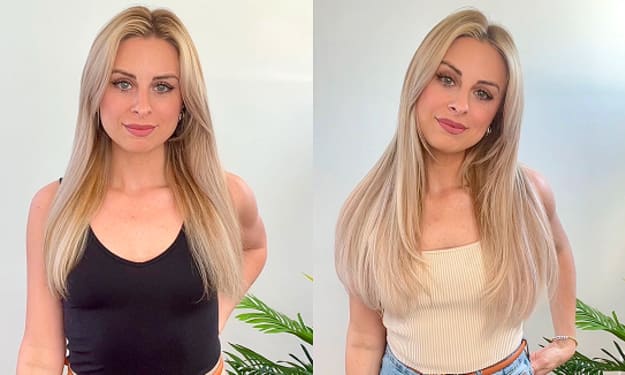
Regaining Confidence: A Comprehensive Guide to Hair Patches for Alopecia
For many individuals living with Alopecia Areata, hair loss is more than just a physical change—it is a challenge to one’s self-esteem and identity. While medical treatments are an option, they often require significant patience and do not always guarantee immediate results.
By Emma Smith8 days ago in Blush
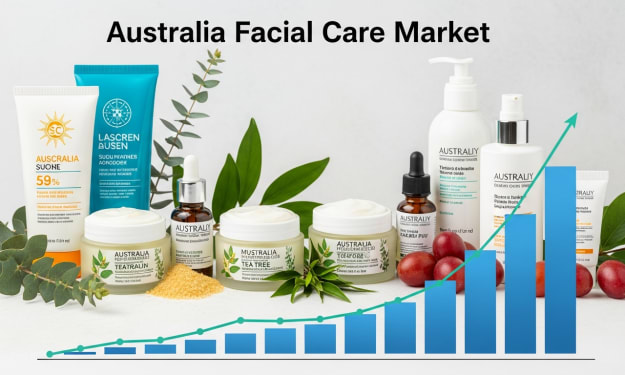
Australia Facial Care Market: Skincare Priorities, Innovation & Consumer Demand
Australia Facial Care Market Overview The Australia facial care market continues its impressive growth trajectory as consumers increasingly prioritise skin health, appearance and preventative beauty routines. Facial care — including cleansers, moisturisers, serums, masks, toners, eye care and specialised treatments — is no longer confined to niche beauty enthusiasts but embraced as a mainstream self-care category. The Australia facial care market size reached USD 2.9 Billion in 2024. Looking forward, the market is expected to reach USD 5.1 Billion by 2033, exhibiting a growth rate (CAGR) of 5.89% during 2025-2033. This growth reflects rising beauty consciousness, innovative product development, omni-channel retail expansion and lifestyle shifts that prioritise both aesthetics and dermal wellness. (Market data based on IMARC Group analysis.)
By Amyra Singh3 days ago in Blush


Comments
There are no comments for this story
Be the first to respond and start the conversation.