
Trump News at a Glance: Progress but No Breakthrough in Ukraine Peace Talks
Encouraging diplomatic signals emerge, but deep divisions still prevent a decisive Ukraine peace deal
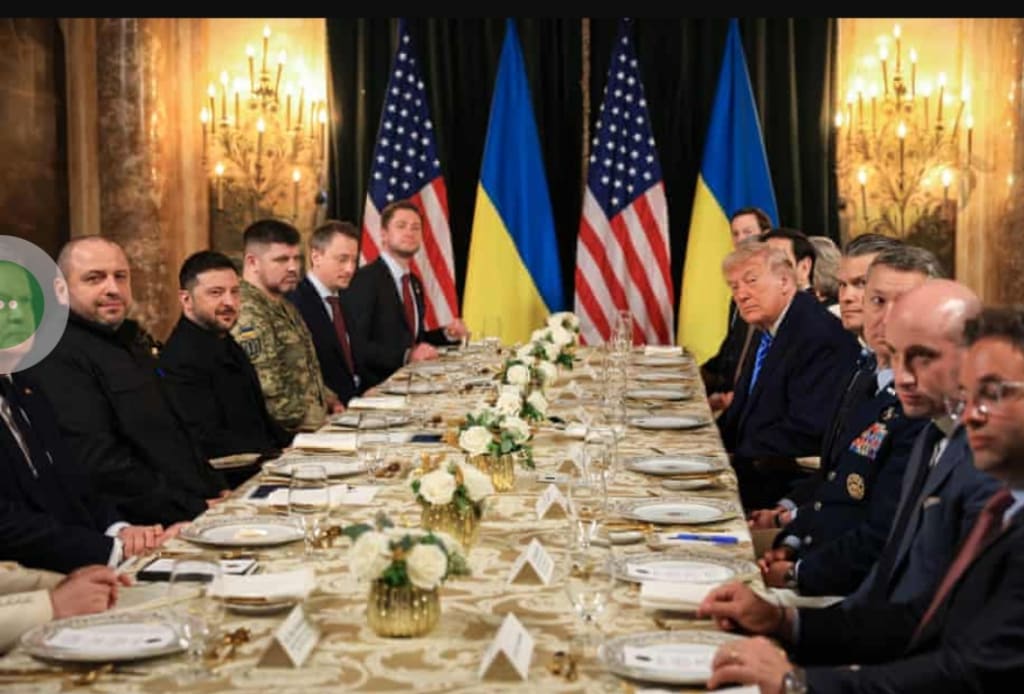
Former U.S. President Donald Trump is once again at the center of global attention as developments around Ukraine peace talks show signs of movement—but fall well short of a breakthrough. Recent statements and behind-the-scenes discussions have fueled cautious optimism among diplomats and political observers, yet the path to ending the war remains uncertain.
Trump’s involvement, whether direct or indirect, has added a new layer of complexity to an already fragile diplomatic landscape. While some progress is being acknowledged, the reality is clear: peace in Ukraine is still elusive.
Signs of Progress in a Stalemated Conflict
In recent days, diplomatic sources have indicated that communication channels between key stakeholders are more active than they have been in months. Trump’s commentary on the situation—often framed as confidence in his ability to negotiate—has coincided with renewed discussions involving U.S. allies, Ukraine, and other international mediators.
Supporters of Trump argue that his unconventional approach to diplomacy could help break deadlocks. They point to his past record of direct engagement with world leaders as evidence that dialogue, even with adversaries, can reduce tensions.
However, progress so far has been incremental. Small agreements, exploratory talks, and confidence-building gestures have not yet translated into concrete outcomes such as a ceasefire or formal negotiation framework.
Trump’s Messaging: Confidence Without Clarity
Trump has repeatedly suggested that the conflict could be resolved quickly under his leadership, often emphasizing his negotiating skills and personal relationships with global leaders. While these statements generate headlines, they have also raised questions about substance versus symbolism.
Critics note that Trump’s remarks often lack detail, offering broad assurances rather than clear policy proposals. For diplomats working on Ukraine, peace requires more than confidence—it demands guarantees, enforcement mechanisms, and consensus among multiple parties.
Still, Trump’s messaging has influenced the political conversation, particularly in the United States, where public opinion on continued involvement in Ukraine is increasingly divided.
Ukraine’s Position Remains Firm
Despite hints of progress, Ukraine’s leadership has made it clear that any peace deal must respect the country’s sovereignty and territorial integrity. President Volodymyr Zelenskyy has consistently rejected compromises that would legitimize territorial losses or leave Ukraine vulnerable to future aggression.
From Kyiv’s perspective, recent developments are encouraging only to a limited extent. While dialogue is preferable to silence, Ukraine remains skeptical of initiatives that do not include firm security guarantees and international oversight.
This fundamental stance remains a major obstacle to a breakthrough, regardless of who leads or influences negotiations.
Why There’s Still No Breakthrough
The absence of a major breakthrough reflects deeper structural problems:
Conflicting objectives: Russia, Ukraine, and Western allies continue to pursue goals that are not easily reconciled.
Trust deficit: Years of broken agreements and escalating rhetoric have eroded confidence.
Domestic politics: Leaders on all sides face internal pressures that limit their flexibility at the negotiating table.
Trump’s involvement has not resolved these issues, though it has drawn renewed attention to the possibility of talks.
Global Reaction: Cautious and Reserved
International responses to the latest developments have been measured. European leaders, in particular, have welcomed signs of dialogue but remain wary of premature optimism. Many stress that peace requires sustained engagement, not short-term political signaling.
Analysts warn that overstating progress can be dangerous. When expectations rise too quickly, disappointment can harden positions and reduce public support for future negotiations.
In this sense, the current moment is best described as tentative rather than transformative.
What Comes Next?
Looking ahead, the next phase of Ukraine peace efforts will likely depend on a combination of military realities, political transitions, and international pressure. Trump’s influence—especially if he regains formal political power—could reshape U.S. policy in ways that significantly affect the conflict.
For now, progress exists mostly at the level of dialogue, not decisions. Talks continue, lines remain open, and rhetoric has softened in some areas—but the core disagreements endure.
Conclusion: Hope Tempered by Reality
“Progress but no breakthrough” may be the most accurate summary of the current state of Ukraine peace talks. Trump’s presence in the conversation has injected energy and controversy, but it has not yet produced results that change the trajectory of the war.
Peace remains possible—but distant.
Until words turn into binding commitments and confidence-building measures evolve into enforceable agreements, the world will continue to watch, waiting for the moment when progress finally becomes a breakthrough.
If you want, I can also:
About the Creator
Keep reading
More stories from Aarif Lashari and writers in Blush and other communities.
Possible Oreshnik Deployment in Belarus: Why Europe Is Watching Closely
The phrase “possible Oreshnik deployment in Belarus” has rapidly moved from obscure military discussions into mainstream geopolitical debate. As reports, satellite imagery, and official statements continue to emerge, the issue is increasingly viewed as a potential turning point for European security. Whether fully confirmed or still unfolding, the prospect of Russia positioning the Oreshnik missile system on Belarusian soil has raised serious concerns across NATO capitals and beyond.
By Aarif Lashariabout a month ago in The Swamp
Regaining Confidence: A Comprehensive Guide to Hair Patches for Alopecia
For many individuals living with Alopecia Areata, hair loss is more than just a physical change—it is a challenge to one’s self-esteem and identity. While medical treatments are an option, they often require significant patience and do not always guarantee immediate results.
By Emma Smith8 days ago in Blush
Australia Facial Care Market: Skincare Priorities, Innovation & Consumer Demand
Australia Facial Care Market Overview The Australia facial care market continues its impressive growth trajectory as consumers increasingly prioritise skin health, appearance and preventative beauty routines. Facial care — including cleansers, moisturisers, serums, masks, toners, eye care and specialised treatments — is no longer confined to niche beauty enthusiasts but embraced as a mainstream self-care category. The Australia facial care market size reached USD 2.9 Billion in 2024. Looking forward, the market is expected to reach USD 5.1 Billion by 2033, exhibiting a growth rate (CAGR) of 5.89% during 2025-2033. This growth reflects rising beauty consciousness, innovative product development, omni-channel retail expansion and lifestyle shifts that prioritise both aesthetics and dermal wellness. (Market data based on IMARC Group analysis.)
By Amyra Singh4 days ago in Blush



Comments
There are no comments for this story
Be the first to respond and start the conversation.