
David Goggins: No Motivation Required
David Goggins: No Motivation Required

David Goggins didn’t become a symbol of discipline by accident. His story begins in chaos—poverty, abuse, obesity, and a life that seemed stuck on repeat. What makes Goggins compelling isn’t that he “found motivation.” It’s that he learned to function without it. In a culture obsessed with hype and shortcuts, Goggins represents the unglamorous truth: real change is built on uncomfortable repetition, brutal honesty with yourself, and the willingness to suffer on purpose.
Goggins is often misunderstood as a loud advocate of pain for pain’s sake. But his message is more precise than that. He doesn’t worship suffering; he uses it as a tool. Suffering, for Goggins, is the training ground where excuses go to die. It’s where you meet the part of yourself that quits early—and then train past it. This isn’t about becoming numb. It’s about becoming reliable. When your emotions fluctuate, your standards don’t. When your mood collapses, your commitments stay standing.
At the center of Goggins’ philosophy is radical ownership. No blaming childhood. No blaming systems. No blaming the past. Not because those things don’t matter—but because waiting for fairness wastes time you could spend building strength. He draws a sharp line between explanation and excuse. An explanation helps you understand where you are. An excuse keeps you there. Goggins’ approach strips away comforting narratives and replaces them with one question: what are you going to do about it today?
This daily focus is what makes his version of discipline feel almost mechanical. He talks about building calluses on the mind the same way you build them on your hands. The first time you choose discomfort, it hurts. The tenth time, it stings. The hundredth time, it’s familiar. Discipline, in this view, isn’t heroic—it’s procedural. You show up when it’s boring. You show up when you’re embarrassed by how bad you are. You show up when no one is watching and nothing exciting happens. Over time, this boring consistency becomes power.
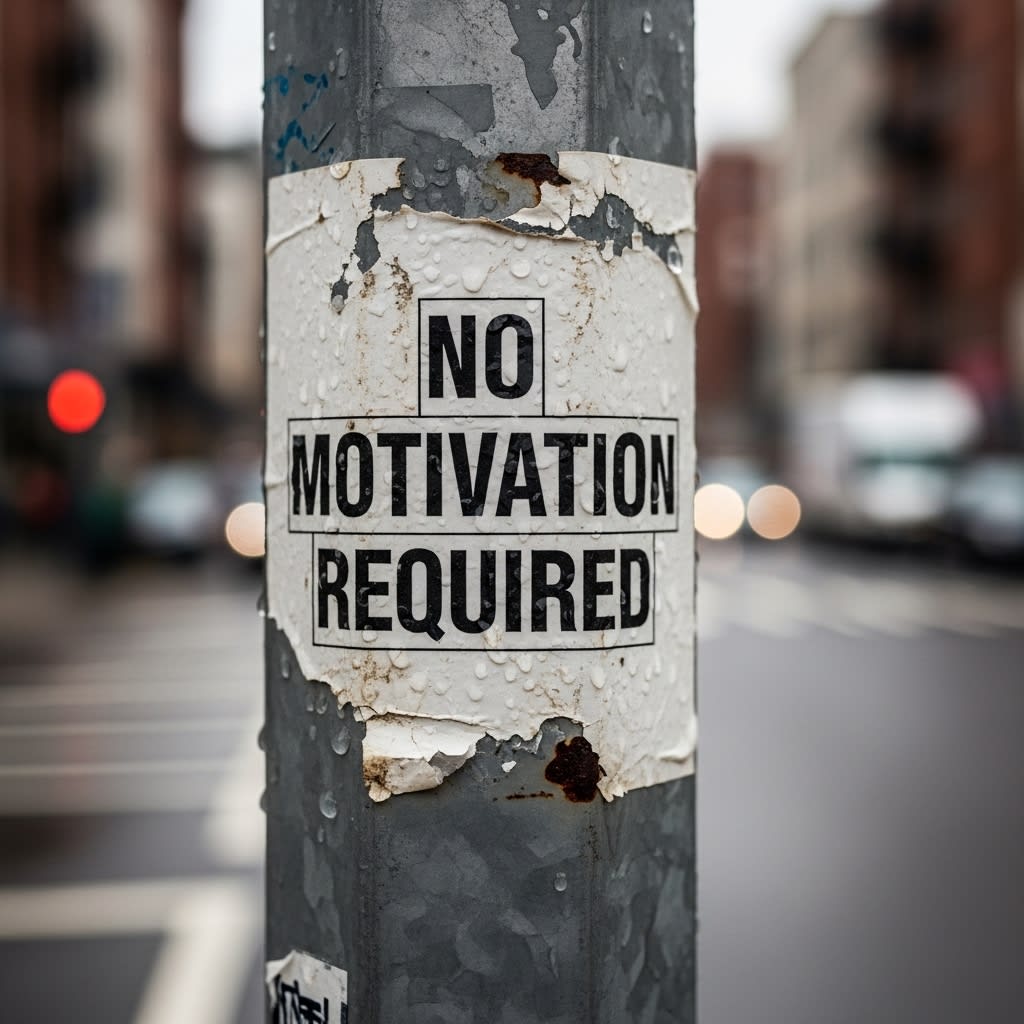
Goggins also attacks the lie of the “motivation wave.” Motivation is unreliable. It spikes after speeches, videos, or moments of inspiration, then fades. Goggins builds systems that don’t depend on feeling good. He schedules suffering. He pre-commits to hard things so that future moods don’t get a vote. This flips the usual self-help script. Instead of asking, “How do I feel like doing this?” the question becomes, “What does the standard require?” Your feelings become data, not commands.
One of Goggins’ most unsettling ideas is that most people operate far below their actual capacity. Not because they’re lazy, but because they’ve never tested the edge. Comfort hides potential. The first time you push past your perceived limit, you discover the limit was imaginary. The second time, you learn it moves. This doesn’t mean becoming reckless. It means learning, through controlled adversity, that your mind’s early stop signals are conservative estimates designed to protect comfort—not to define what’s possible.
Critics argue that Goggins’ approach is too extreme for everyday life. Not everyone needs ultramarathons or ice-cold showers. That’s fair. The value of Goggins isn’t in copying his lifestyle—it’s in borrowing his principle: choose one hard thing daily and keep your promise to yourself. It might be training when you don’t want to, studying when you’d rather scroll, having the honest conversation you’ve been avoiding, or sticking to the plan when no one will praise you for it. The scale can be small. The integrity must be real.
There’s also a quiet emotional discipline in Goggins’ work. He speaks openly about confronting shame, fear, and self-loathing without pretending they vanish. Mental toughness, for him, isn’t pretending you’re fearless—it’s acting in the presence of fear. It’s learning to coexist with doubt and move anyway. That reframes toughness as emotional literacy under pressure, not macho denial of feeling. You don’t wait to feel brave. You behave bravely and let the feelings catch up.
Why does Goggins resonate now? Because modern life offers endless comfort with diminishing resilience. We can optimize convenience to the point that any friction feels offensive. Goggins is a counterweight to that drift. He reminds people that character is forged where convenience ends. Not in one dramatic breakthrough, but in thousands of small, uncomfortable follow-throughs.
In the end, Goggins’ message is simple, even if it’s not easy: build a reputation with yourself. Do what you said you’d do when it’s inconvenient. Stack proof. Over time, discipline becomes identity. And when life gets heavy—as it always does—you won’t need a motivational speech. You’ll have habits strong enough to carry you through.
About the Creator
Fred Bradford
Philosophy, for me, is not just an intellectual pursuit but a way to continuously grow, question, and connect with others on a deeper level. By reflecting on ideas we challenge how we see the world and our place in it.
Keep reading
More stories from Fred Bradford and writers in BookClub and other communities.
Mark Manson: The Cure for Hustle Culture
Mark Manson didn’t become famous by telling people they could have everything they want. He became famous by telling people the opposite—and somehow, that honesty landed like a relief. In a self-help world crowded with hustle slogans and toxic positivity, Manson’s voice cut through with a blunt message: you don’t need to feel amazing all the time to live well. You need to choose what actually matters, accept discomfort, and take responsibility for the things you can control. It sounds simple. It’s not. That’s why it works.
By Fred Bradford2 days ago in BookClub
Self Help: Grifters' Gospel
On Self-Help, Snake Oil, and the Illusion of Change Psychology professionals and students can be imagined on two opposite sides of a line called self-help books: likely a larger group opposes pop-science and step-by-step manuals filled with talk of success, journaling, and not giving a f**k; others love them, but they aren’t many.
By Avocado Nunzella BSc (Psych) -- M.A.P 16 days ago in BookClub
Quotes From Pride & Prejudice
Valentine's Day has come and gone, but that doesn't mean we can't still relish in some romantic notions, no? Here are some of my favourite quotes that I pulled after rereading Pride & Prejudice at the end of last year/the beginning of this year - most of which will not be romantic in any sense. The pages come from The Annotated Pride & Prejudice, edited and annotated by David M. Shapard (the book is very long due to all the notes, and therefore pages may not line up with a more regular edition of the book). I've broken up some of the quotes into little sections for ease of reading.
By The Austen Shelfa day ago in BookClub



Comments
There are no comments for this story
Be the first to respond and start the conversation.