

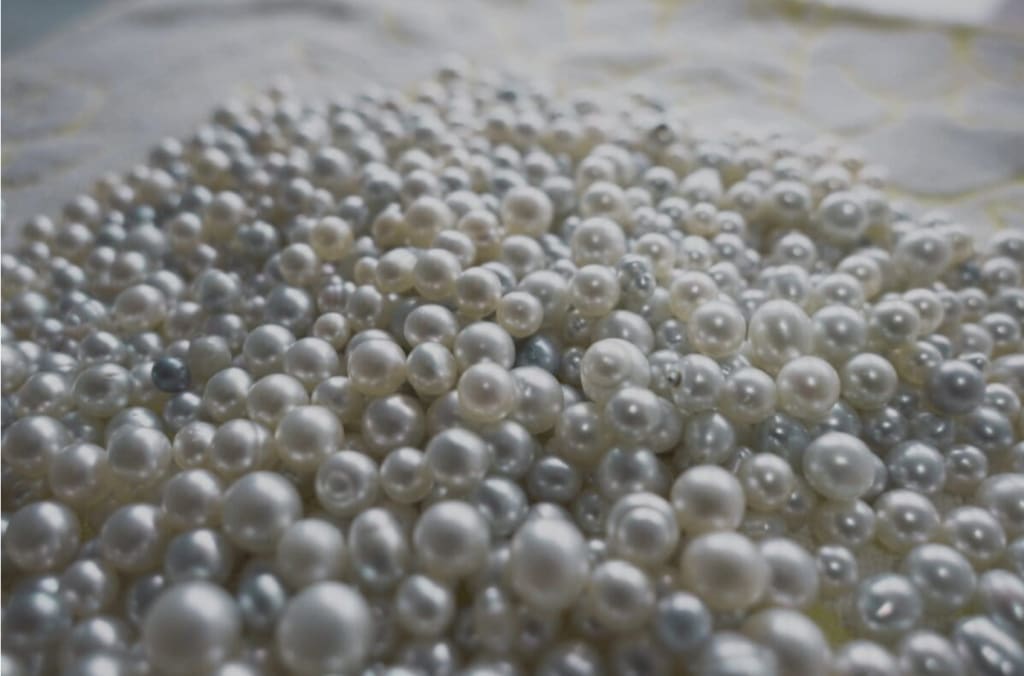
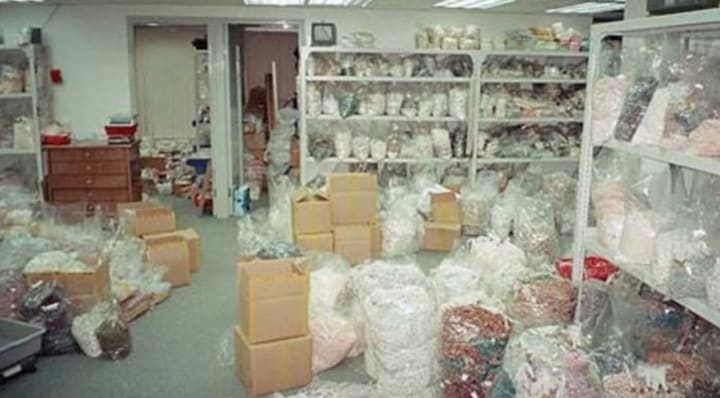
My wife and I go to Hong Kong to buy pearls, fresh water and salt water (south sea and Tahitian). But we go to the wholesale warehouses and showrooms, not the farms.

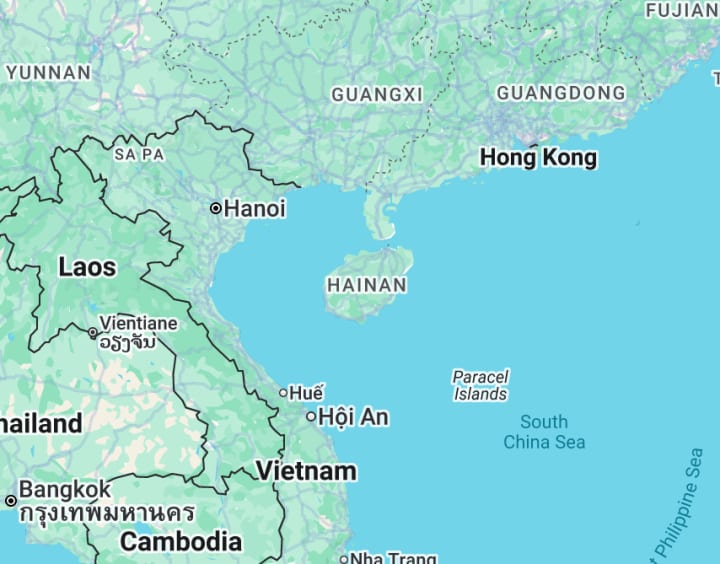
The major pearl farms are located in Hainan Island, China,
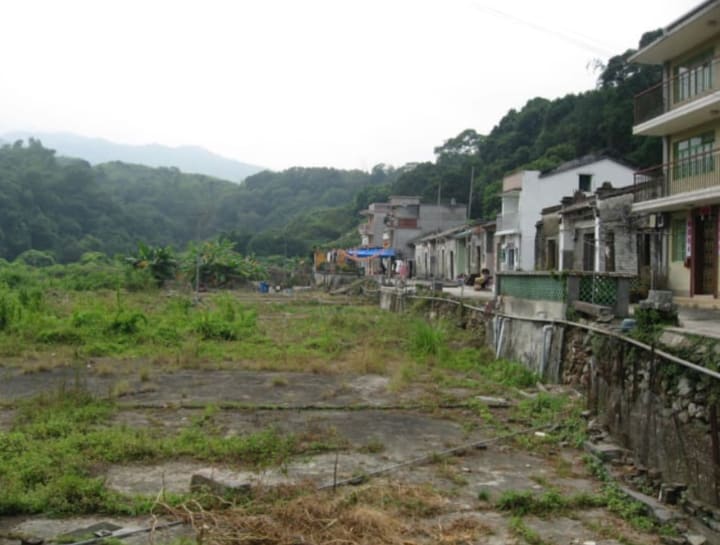
and there are a sprinkling of smaller pearl farms in the new territories of Hong Kong, which we have been to. Those pearl farms are up near the Chinese border, outside of small, quaint fishing villages where the old way of life is quickly disappearing.
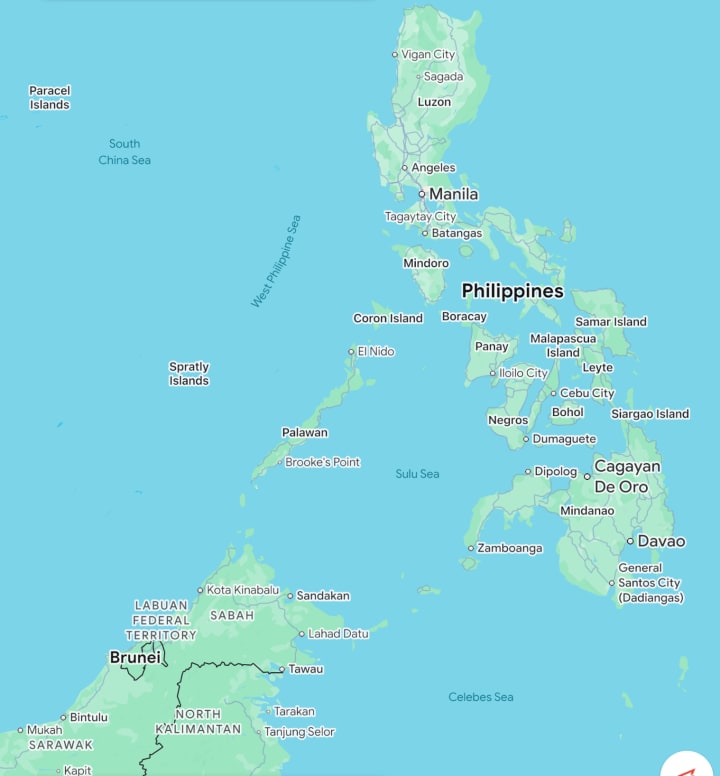
There are also pearl farms in the Philippines which we almost went too, but never did. They grow famous yellow pearls, golden south sea pearls.The adventure we almost went on was on a tramp steamer, we would sleep on the top deck and eat fresh fish that the crew would catch every day. Or we could catch. They would cook the fish on a grill on the deck. from Cebu Island to Palawan Island. The trip would have taken 2 days, but we couldn’t swing the time. Next time. We would be able to buy the golden south seaPearls at the farm price, bypassing the wholesaler in Hong Kong or Manila.
Key Pearl Farming Regions:
China: Produces the vast majority of the world's freshwater pearls, particularly in Zhejiang province.( we haven’t been there.)
Japan: Known for pioneering modern cultivation of Akoya pearls, with major farms in Ago Bay.(we haven’t been there).
French Polynesia (Tahiti): Famous for Tahitian black pearls, cultured in the lagoons of the Tuamotu Archipelago and Gambier Islands.(we haven’t been there.)
South Sea Regions (Australia, Indonesia, Philippines): Australia is known for white-lipped oysters, while Indonesia and the Philippines are major producers of white and golden South Sea pearls. (One day we will go to Australia).
United States: The Tennessee River Freshwater Pearl Farm is a notable, long-standing freshwater pearl farm in Tennessee.( we haven’t been there).
Other Locations: Cozumel, Mexico houses a small farm, and Phu Quoc, Vietnam is also a producer.
Pearl farms require, clean, nutrient-rich, and calm water to cultivate oysters for 1 to 4 years.
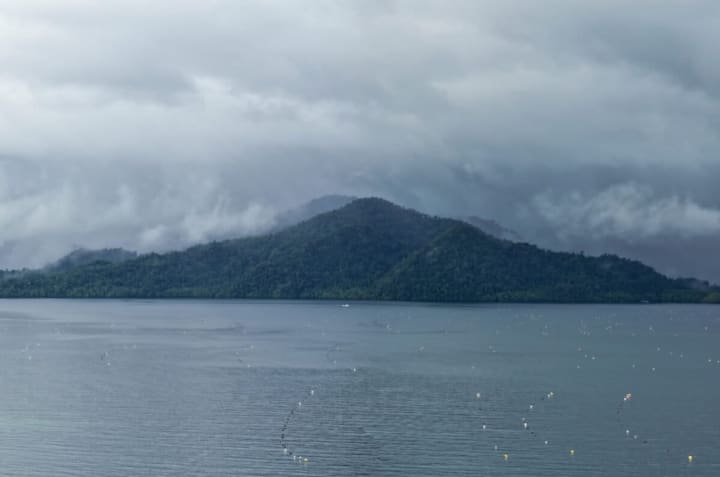
Pearl farming is the often sustainable cultivation of pearls by grafting a nucleus and mantle tissue into oysters, which then grow in protected marine environments for 1.5 to 4 years. It is a high-risk, high-reward business requiring 300+ steps,But where only about 5% of oysters may produce high-quality, valuable gems.
Key Aspects of Pearl Farming
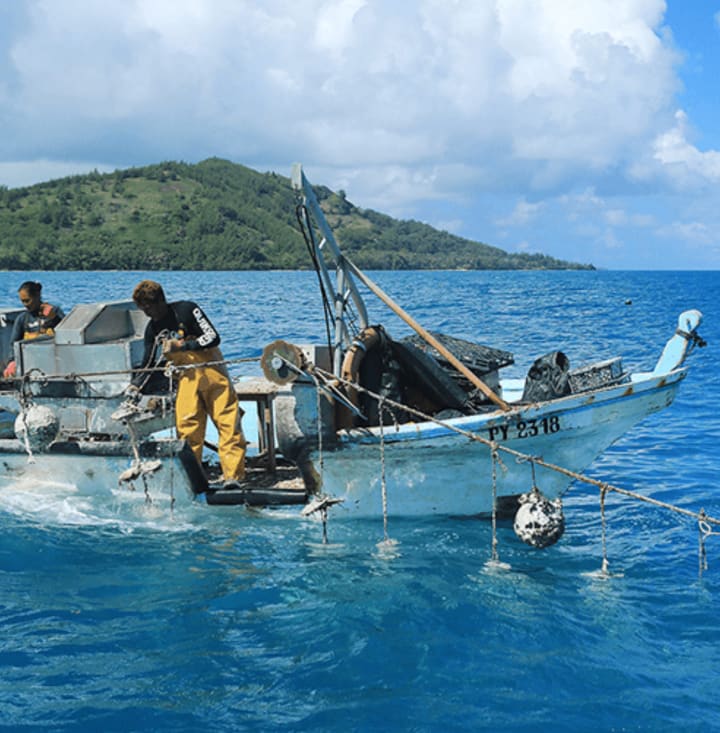
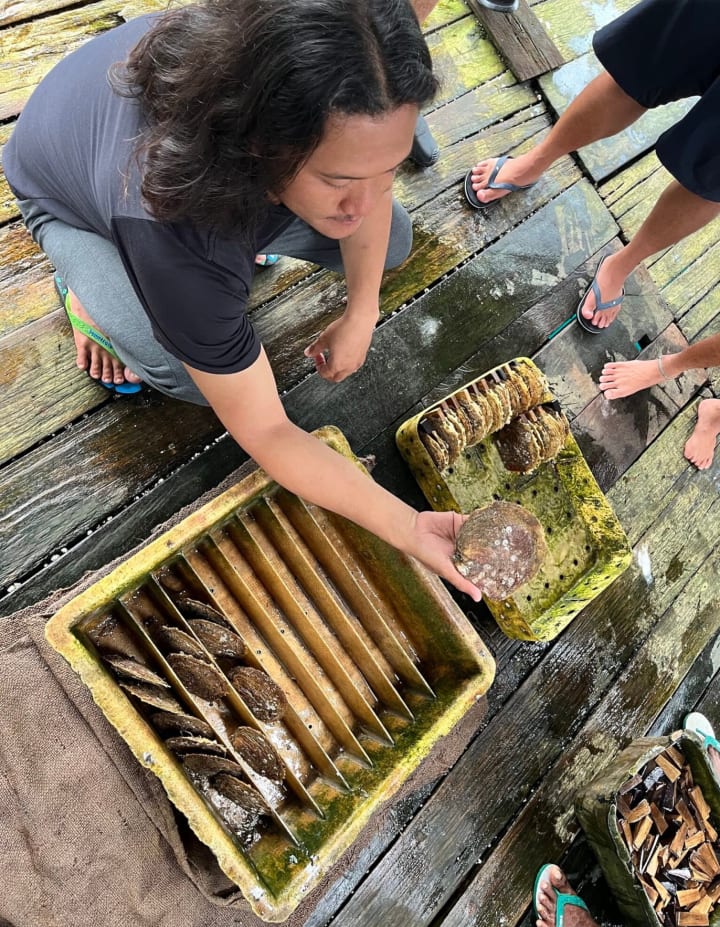
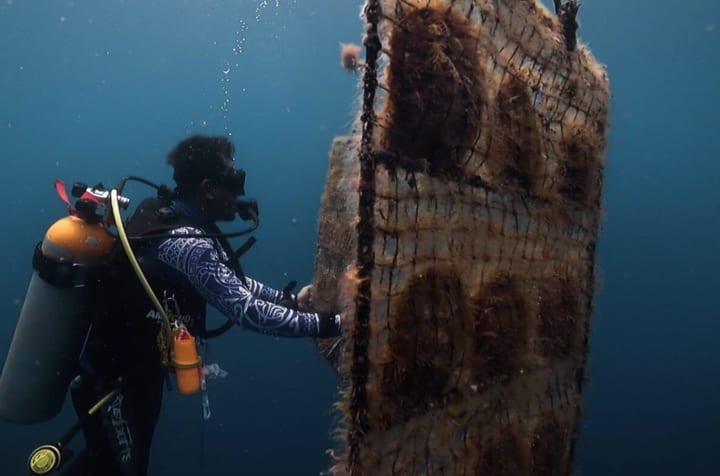
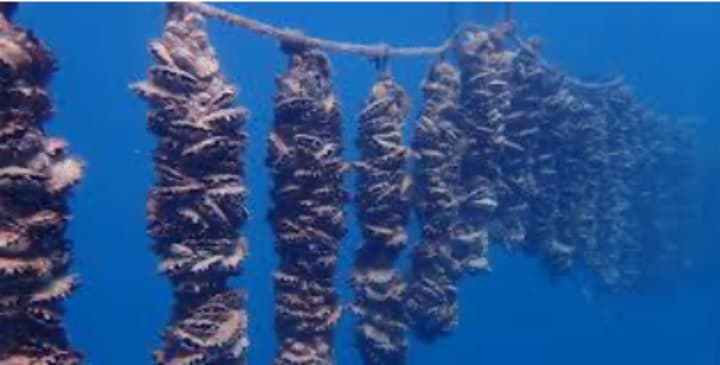
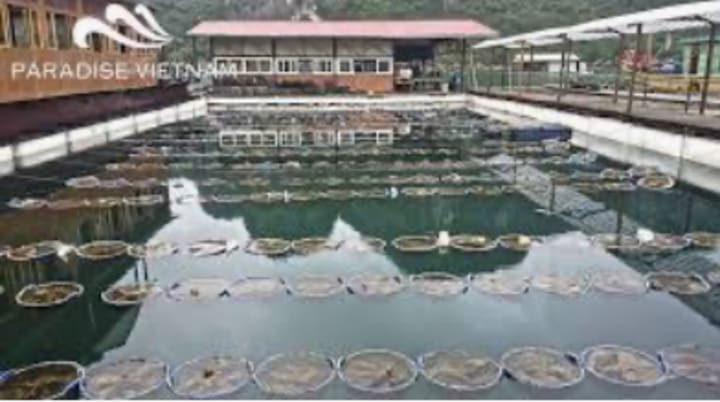
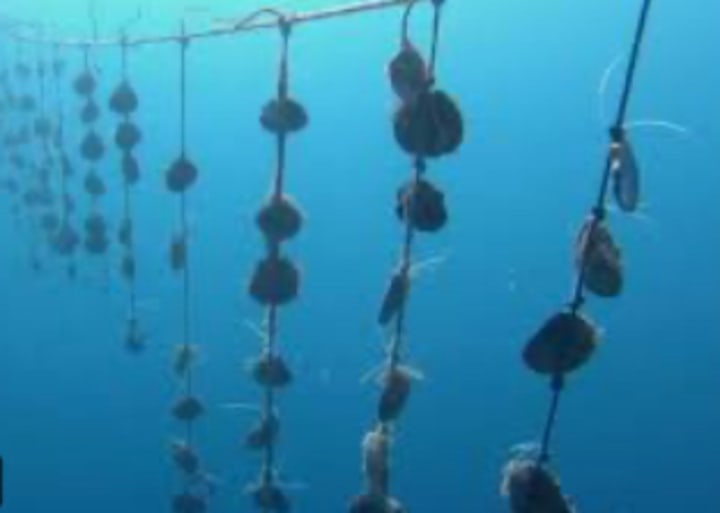
Process: Young oysters are collected or raised, cleaned, and then "seeded" with a small shell nucleus and mantle tissue. They are kept in specialized, submerged baskets or nets in lagoons.

Timeframe: The entire cultivation process takes about 1.5 years for initial pearls, but can take up to 4 years for larger, more valuable ones.
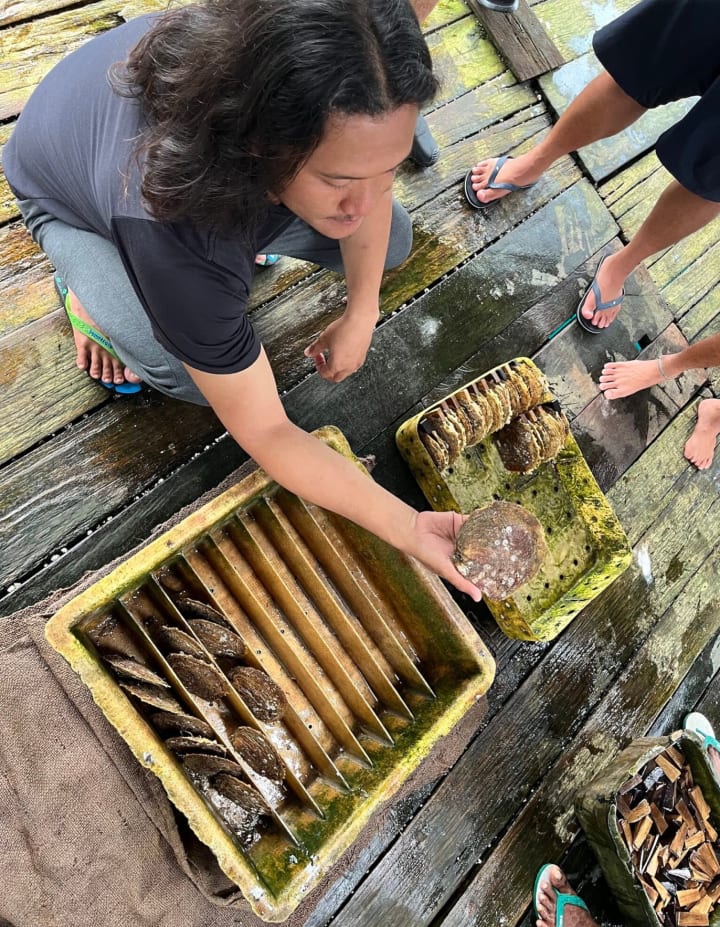
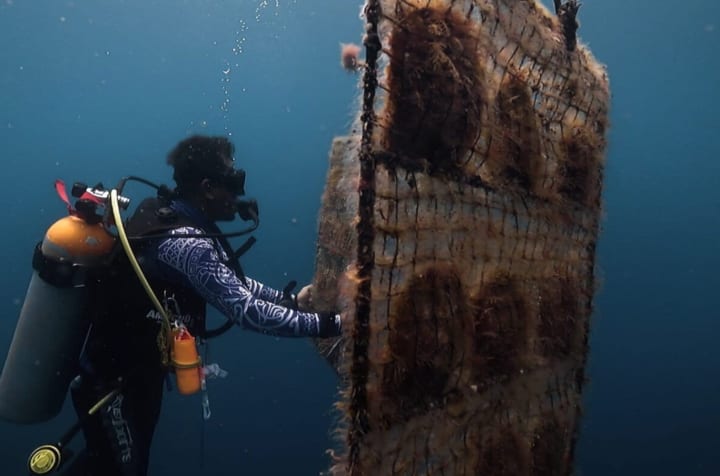
Sustainability: Pearl farms often promote environmental health by acting as artificial reefs, supporting biodiversity, and requiring clean water to survive.
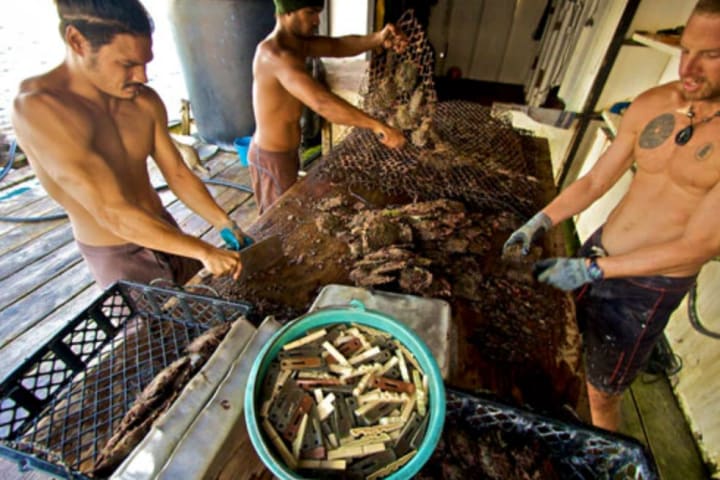
Harvest & Re-use: After harvesting, some oysters can be re-grafted, allowing for a second or third, often larger, pearl to be produced.

Here’s my wife Jme with some high end Tahitian pearls, on our bed in the hotel. The smile? Priceless.
About the Creator
Guy lynn
born and raised in Southern Rhodesia, a British colony in Southern CentralAfrica.I lived in South Africa during the 1970’s, on the south coast,Natal .Emigrated to the U.S.A. In 1980, specifically The San Francisco Bay Area, California.
Immortal Hate, Chapter One
It was the time-interval when a space-conurbation’s artificial sky stained everything beneath with its luridness. After the moisture-purge, the last of the atmospheric condensation roiled overhead in vast formations of mustard and sulphur. By now it was too late in the diurnal round to think of regaining simulated day. Elongated polygons of light were already spilling from shopfronts and windows, etching their pattern on streets darkening and damp. At the far end of one, a small nightclub stood.
By Doc Sherwood2 days ago in Chapters
Reversing Aging
Aging is a natural process, but what if we could slow it down — or even reverse it? The quest for youth and longevity has fascinated humanity for centuries, and today, science is making remarkable strides in understanding how we age and how we might turn back the clock. Let’s explore the latest breakthroughs, practical strategies, and future possibilities of reversing aging.
By Gustavo Woltmann7 days ago in Chapters
Rachel Reviews: Lunch Tales: Teagan by Lucille Guarino
Well, I did enjoy this! Sometimes, all you need is just great storytelling and this is what Lucille Guarino delivers here. There's no big message to this book; it's just about folks and families, living their lives and coping with everything that's being thrown at them and finding their way. But when it's done well, like it is here, then you have characters to whom you can relate, tension which leaves you rooting for a better outcome, attraction which has your heart racing and an urge, as a reader, to see the characters happy with the people with whom they belong.
By Rachel Deeminga day ago in BookClub


Comments
There are no comments for this story
Be the first to respond and start the conversation.