
The Masons
Their Historical Significance and Influence Today

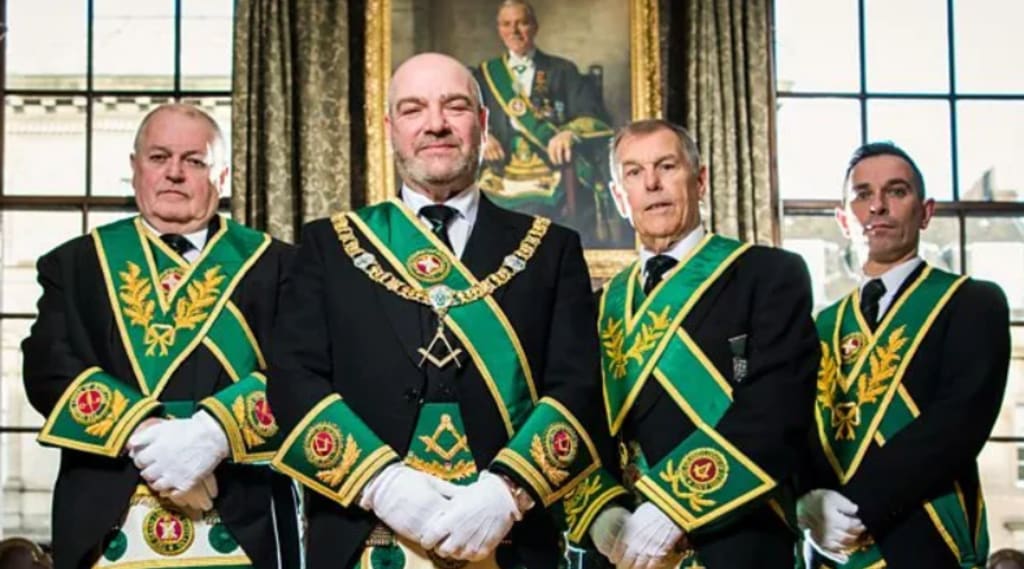
Freemasonry, often referred to as Masonry, is one of the world’s oldest and most secretive fraternal organizations. With roots tracing back to the stonemason guilds of the Middle Ages, Freemasonry has evolved into a global network that emphasizes moral development, community service, and philanthropy. Despite its historical roots and longstanding traditions, Freemasonry continues to exert a subtle but significant influence in modern society.
Origins and Evolution of Freemasonry
Freemasonry began as a network of guilds for stonemasons and cathedral builders in medieval Europe. These guilds established a system of lodges where masons could meet, share knowledge, and support one another. Over time, the focus of these lodges shifted from operative masonry to speculative Freemasonry, encompassing a broader philosophical and moral framework.
The formation of the first Grand Lodge in London in 1717 marked the beginning of modern Freemasonry. This event helped standardize Masonic practices and rituals, leading to the establishment of Grand Lodges in various countries. Freemasonry spread rapidly across Europe and the Americas, attracting members from diverse professions and social backgrounds.
Core Principles and Practices
Freemasonry is built on a foundation of three core principles: Brotherly Love, Relief, and Truth. These principles guide Masons in their interactions with one another and their contributions to society:
1. Brotherly Love: Freemasons are encouraged to foster a sense of camaraderie and mutual support among members, regardless of their backgrounds or beliefs.
2. Relief: Masons are committed to charitable activities, providing aid and support to those in need within their communities and beyond.
3. Truth: Freemasonry emphasizes the pursuit of knowledge, moral integrity, and personal development.
Masonic rituals, symbols, and ceremonies are integral to the organization’s identity. These elements often draw on allegories from stonemasonry and incorporate philosophical teachings. While some aspects of Masonry are kept secret to members, the organization’s charitable efforts and public events are widely recognized.
Influence on Society
Freemasonry has had a notable impact on society throughout history, particularly in the realms of politics, social reform, and culture.
Political and Social Influence
Many prominent historical figures have been Freemasons, including George Washington, Benjamin Franklin, and Winston Churchill. The principles of Freemasonry, such as liberty, equality, and fraternity, have influenced democratic movements and the establishment of modern democratic institutions.
Philanthropy and Community Service
Freemasonry is known for its philanthropic activities. Masonic lodges and affiliated organizations contribute to a wide range of charitable causes, including healthcare, education, disaster relief, and support for the elderly and disadvantaged. In the United States, for example, Masonic charities donate millions of dollars annually to hospitals, scholarships, and community projects.
Cultural Contributions
Freemasonry has also left its mark on literature, art, and architecture. The organization’s symbols and allegories have inspired works by authors like Mark Twain and Johann Wolfgang von Goethe. Masonic lodges, with their distinctive architectural styles, are often significant landmarks in cities around the world.
Freemasonry in the Modern World
In today’s rapidly changing world, Freemasonry faces challenges such as declining membership and public misconceptions. However, the organization continues to adapt and remain relevant by emphasizing its core values and engaging with contemporary issues.
Modern Challenges
Membership in Freemasonry has declined in many regions due to demographic changes and evolving social dynamics. To address this, Masonic lodges are actively seeking to attract younger members by modernizing their outreach efforts and demonstrating the relevance of Masonic principles in contemporary society.
Public Perception and Transparency
Freemasonry has long been the subject of intrigue and conspiracy theories, partly due to its secretive nature. In response, many Grand Lodges have made efforts to increase transparency, providing information about their activities and contributions to society. Public events, open houses, and educational programs aim to demystify the organization and highlight its positive impact.
Engagement with Contemporary Issues
Freemasonry continues to play a role in addressing current social challenges. Many lodges are involved in initiatives related to social justice, equality, and community development. By staying true to their principles and adapting to modern needs, Freemasons strive to make meaningful contributions to society.
Freemasonry, with its rich history and enduring principles, remains a significant and influential organization in the modern world. Through its emphasis on brotherhood, charity, and truth, Freemasonry continues to inspire its members and contribute to the betterment of society. As it evolves to meet contemporary challenges, the legacy of Freemasonry endures, reflecting the timeless values that have guided its journey for centuries.
About the Creator
Keep reading
More stories from Gustavo Woltmann and writers in Chapters and other communities.
Global Warming
Global warming, a critical aspect of climate change, refers to the long-term rise in Earth’s average surface temperature due to human activities, particularly the emission of greenhouse gases. This phenomenon poses one of the most significant challenges of our time, with far-reaching consequences for natural ecosystems, human societies, and the planet’s future.
By Gustavo Woltmann10 months ago in Chapters
Bruce Lee and The God of War: Kuan Ti
It starts with love.. The Power to the God Of War and Wealth Walk into a Chinese restaurant (even in Oklahoma, USA), a Chinese police station, a kung fu martial arts studio or even a Chinese temple and you often see a red faced warrior holding a heavy quan-do (spear like weapon).
By SAMURAI SAM AND WILD DRAGONS30 days ago in Chapters
Tattoos & Rail Guns Chapter 15: The Chipmunk Killers Prepare For War
Lieutenant Sawyer had just seen the arrival of an APC carrying four powered armor suits. Lieutenant Prowse was inspecting the one she was to pilot, making sure that all of the systems were good and that the ammunition was as promised. She ran it through some basic drills before signing off on it; she was, after all, responsible for the expensive piece of equipment. The armorer delivering got a chill from her as she signed off on it.
By Jamais Jochim2 days ago in Chapters



Comments