
What Happens When You Finally Stop Pretending
The quiet transformation that begins when you stop performing for the world and start living for yourself.

What Happens When You Finally Stop Pretending
Khan
For years, I mastered the art of pretending.
Pretending I was happy.
Pretending I was confident.
Pretending I didn’t care.
From the outside, my life looked perfectly stitched together. I smiled in photos. I posted motivational captions. I laughed at jokes even when my chest felt heavy. People called me “strong” and “positive,” and I wore those labels like armor.
But armor gets heavy.
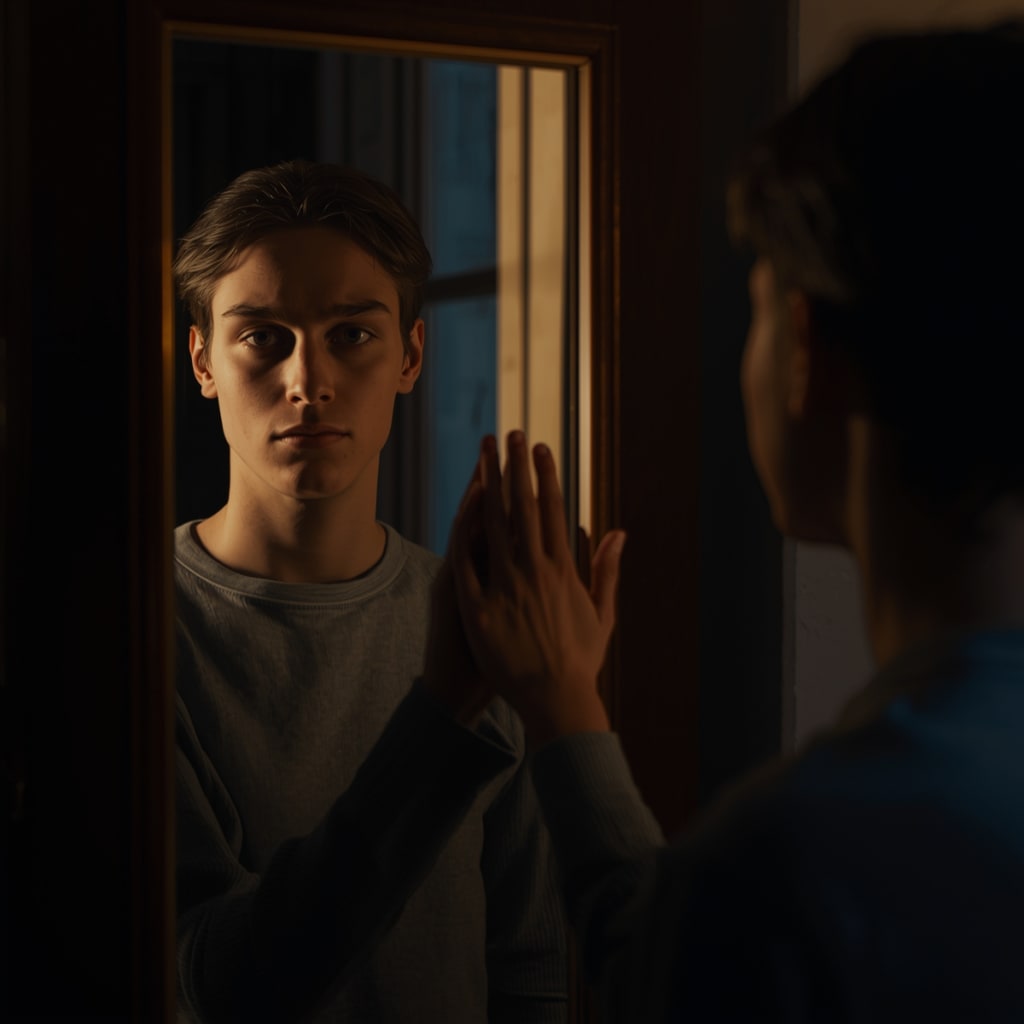
I didn’t realize how exhausted I was until one random Tuesday evening when I caught my reflection in the bathroom mirror. My smile disappeared the second I was alone. My shoulders dropped. My eyes looked older than they should have. And for the first time, I asked myself a dangerous question:
Who am I when no one is watching?
The truth was uncomfortable. I wasn’t okay. I hadn’t been okay for a long time.
I had built a version of myself that people liked. The agreeable one. The calm one. The one who never complained. I said “yes” when I wanted to say “no.” I stayed silent when something hurt me. I laughed off disrespect. I avoided conflict so I wouldn’t seem “difficult.”
I told myself it was maturity.
It wasn’t.
It was fear.
Fear of being rejected.
Fear of being misunderstood.
Fear of being alone.
So I pretended.
Pretended that the job I hated was “a blessing.”
Pretended that the friendship draining me was “loyalty.”
Pretended that the relationship that made me anxious was “love.”
And the more I pretended, the further I drifted from myself.
The breaking point wasn’t dramatic. There was no shouting, no slammed doors, no viral meltdown. It was quiet. Subtle. Ordinary.
A friend asked me a simple question: “Are you actually happy?”
I opened my mouth to give my usual automatic answer — “Of course.” But the word got stuck in my throat.
For the first time in years, I didn’t lie.
“I don’t think I am.”
Saying it out loud felt like cracking a window in a suffocating room. The air wasn’t perfect, but it was real.
That night, I went home and sat in silence. No music. No scrolling. No distractions. Just me and my thoughts. It was uncomfortable. My mind tried to run. It tried to blame others. It tried to justify everything.
But beneath the noise was a softer voice.
You’re tired because you’re not living your truth.
That sentence changed everything.
Stopping the pretending didn’t happen overnight. It wasn’t a dramatic transformation. It was small, terrifying decisions.
The first “no” I said without apologizing felt illegal.
The first time I admitted I was hurt instead of joking about it felt vulnerable.
The first time I chose rest over proving myself felt selfish.
But something strange happened.
The world didn’t collapse.
Some people were surprised. A few were uncomfortable. One or two drifted away. And that hurt more than I expected. When you stop pretending, not everyone likes the real version of you.
But the ones who stayed? They stayed differently.
Conversations became deeper. My laughter became real. My silence became peaceful instead of heavy.
I began to understand something powerful: pretending keeps you accepted, but authenticity sets you free.
Freedom, however, is not glamorous.
It looks like losing people who only liked your mask.
It looks like disappointing expectations.
It looks like sitting alone sometimes, choosing honesty over approval.
But it also looks like waking up without the tightness in your chest.
It looks like looking in the mirror and recognizing the person staring back.
It looks like sleeping at night without replaying conversations, wondering if you were “too much” or “not enough.”
When I stopped pretending, I discovered how much energy I had wasted trying to be digestible.
I softened where I needed softness.
I drew boundaries where I needed strength.
I admitted when I didn’t know something.
I admitted when I was scared.
And instead of becoming weaker, I became grounded.
There’s a strange myth that being authentic means being loud or rebellious. For me, it was quieter than that. It was choosing honesty in small moments.
“I don’t agree.”
“That hurt me.”
“I need space.”
“I’m not okay.”
Simple sentences. Powerful shifts.
The biggest surprise wasn’t how others reacted. It was how I reacted to myself. I stopped judging my emotions. I stopped forcing positivity. I stopped comparing my behind-the-scenes to someone else’s highlight reel.
I started accepting that strength isn’t about holding everything together.
Sometimes, it’s about letting it fall apart so you can rebuild it honestly.
What happens when you finally stop pretending?
You lose some things.
You lose the pressure to perform.
You lose fake connections.
You lose the version of yourself that survived by shrinking.
But you gain something priceless.
Clarity.
Peace.
Self-respect.
And slowly, you begin to attract people who don’t need your performance — only your presence.
I still catch myself slipping into old habits sometimes. Smiling when I’m uncomfortable. Downplaying my feelings. But now I notice it. And noticing is power.
If you had met me years ago, you would have said I was doing great.
If you meet me now, you might say I’m more serious. More selective. More honest.
And you’d be right.
Because when you finally stop pretending, you don’t become perfect.
You become real.
And real — messy, honest, vulnerable real — is where life actually begins.
About the Creator
NO WATER NO BRAIN
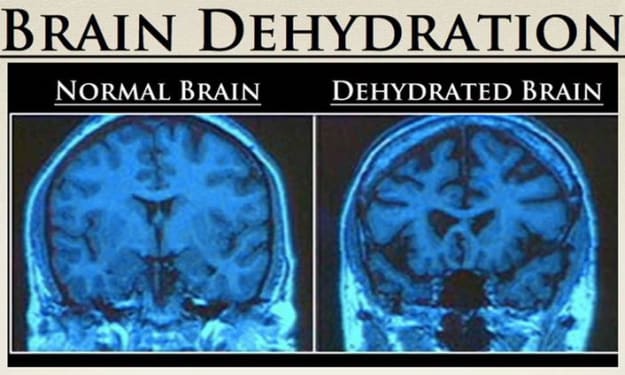
Water is the most essential nutrient for human survival, and the brain is one of the organs most dependent on adequate hydration. Nearly 85 % of the human brain is composed of water, which plays a critical role in maintaining its structure, supporting chemical reactions, and enabling communication between nerve cells. Even a mild deficiency of water—commonly known as dehydration—can significantly affect brain function, mood, and overall mental performance. Understanding how water deficiency impacts the brain highlights why regular hydration is vital for cognitive health.
By Ibrahim Shah 4 days ago in Chapters
The Angry Man in Your House
"If you grow up with an angry man in your house, there will always be an angry man in your house" This statement has caused plenty of controversy online, people say its a statement that blames victims while also undermining those who break traumatic cycles to form health relationships... but if I'm honest now that I'm in my 30s it makes more sense to me than ever, and I'd argue that its not just about fathers and uncles.
By S. A. Crawford5 days ago in Humans


Comments
There are no comments for this story
Be the first to respond and start the conversation.