
Animal's are birth through mouth
8 Unique Animals That Give Birth Through Their Mouth


MOUTHBROODERS
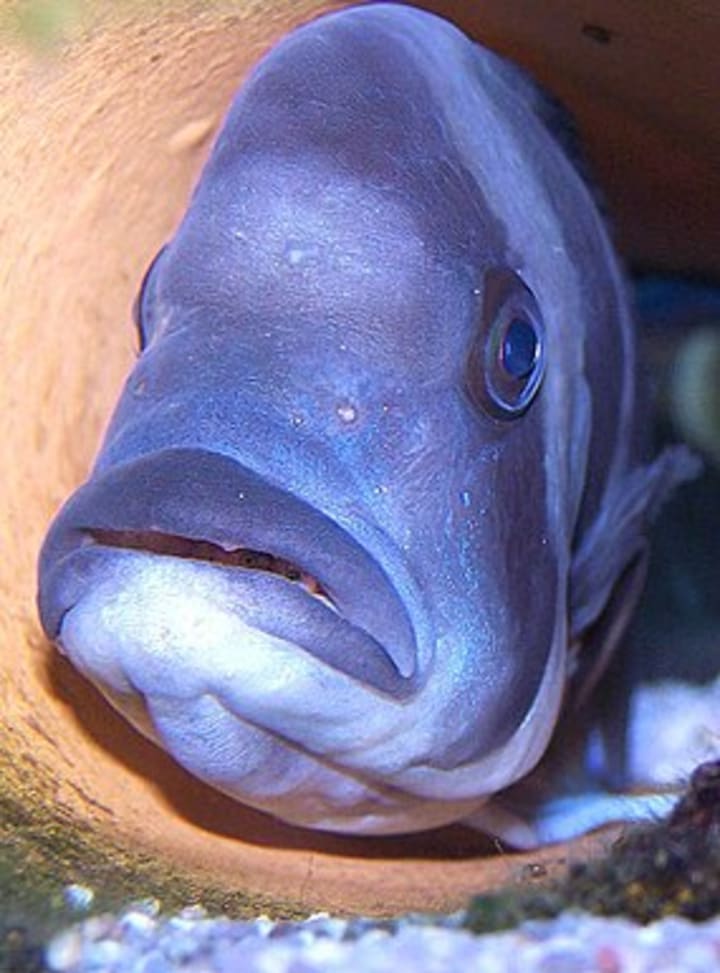
Discover the fascinating world of animals that defy norms by giving birth through their
mouths. Nature's wonders never cease to amaze!
Mouthbrooders are a group of animals that carry their eggs or young in their mouths until
they are ready to hatch or be released. Here are some interesting facts about
mouthbrooders:
Types of Mouthbrooders
1. *Fish*: Some species of fish, such as cichlids and catfish, are mouthbrooders.
2. *Frogs*: Male Darwin's frogs and midwife toads carry their eggs in their mouths.
3. *Seahorses*: Male seahorses receive eggs from their mates and carry them in their brood
pouch, which is a type of mouthbrooding.
Characteristics
1. *Egg care*: Mouthbrooders provide protection and care to their eggs or young by carrying
them in their mouths.
2. *Incubation*: The eggs or young are incubated in the mouthbrooder's mouth until they are
ready to hatch or be released.
3. *Nutrient supply*: Some mouthbrooders provide nutrients to their eggs or young while
they are in their mouths.
Examples of Mouthbrooders
1. *African Cichlids*: Some species of African cichlids are mouthbrooders.
2. *Seadevil Anglerfish*: Male seadevil anglerfish carry their eggs in their mouths.
3. *Darwin's Frogs*: Male Darwin's frogs carry their eggs in their mouths.
Advantages
1. *Protection*: Mouthbrooding provides protection to the eggs or young from predators.
2. *Nutrient supply*: Mouthbrooders can provide nutrients to their eggs or young.
3. *Increased survival rate*: Mouthbrooding can increase the survival rate of the eggs or
young.
Disadvantages
1. *Energy expenditure*: Mouthbrooding can be energetically expensive for the parent.
2. *Limited foraging*: Mouthbrooders may have limited opportunities for foraging while
carrying eggs or young in their mouths.
3. *Predation risk*: Mouthbrooders may be more vulnerable to predators while carrying eggs
or young in their mouths.
DARWIN'S FROG
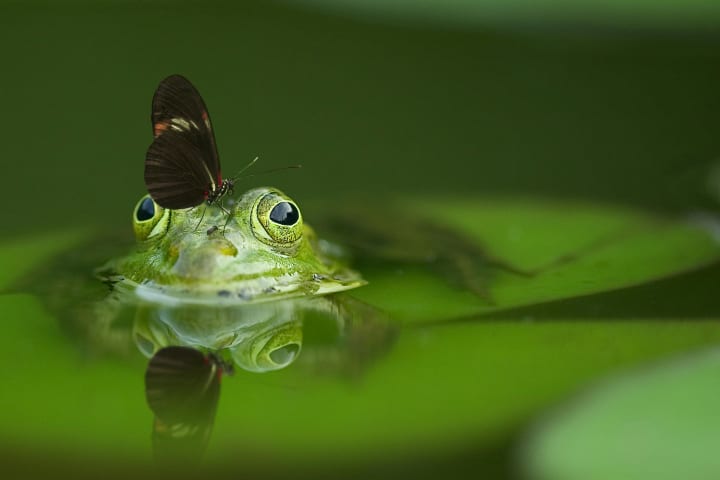
Male Darwin's frogs carry fertilised eggs in their vocal sacs, eventually releasing fully
developed froglets through their mouths.
Darwin's Frog (Rhinoderma darwinii) is a unique and fascinating species. Here are some
interesting facts about Darwin's Frog:
Physical Characteristics
1. *Size*: Darwin's Frog is a relatively small species, reaching lengths of about 2.5-3.5 cm
(1-1.4 in).
2. *Coloration*: They have a brown or grayish-brown color with distinctive black spots or
stripes.
3. *Body shape*: They have a slender body with a pointed snout.
Habitat and Distribution
1. *Native range*: Darwin's Frog is found in the temperate forests of Chile and Argentina.
2. *Habitat*: They inhabit humid, shaded areas with abundant vegetation and water sources.
Reproduction and Behavior
1. *Mouthbrooding*: Male Darwin's Frogs are known for their unique mouthbrooding
behavior, where they carry their eggs in their vocal sacs.
2. *Egg-laying*: Females lay their eggs in a protected location, and the male then collects
them and incubates them in his vocal sacs.
3. *Tadpole development*: The tadpoles develop inside the male's vocal sacs, where they
are nourished by the male's secretions.
Conservation Status
1. *Endangered*: Darwin's Frog is listed as Endangered on the IUCN Red List due to habitat
loss, fragmentation, and degradation.
2. *Threats*: The main threats to their survival include deforestation, urbanization, and the
introduction of non-native species.
Interesting Facts
1. *Unique vocalization*: Darwin's Frogs have a distinctive, high-pitched call that sounds like
a whistle.
2. *Named after Charles Darwin*: The species was named after the famous naturalist
Charles Darwin, who first discovered the frog during his voyage on the Beagle.
MOUTHBROODING CICHLIDS
These fish protect their eggs by carrying them in their mouths, releasing fry once they hatch
and are ready to swim.
Mouthbrooding cichlids are a fascinating group of fish that exhibit a unique reproductive
behavior. Here are some interesting facts about mouthbrooding cichlids:
Types of Mouthbrooding Cichlids
1. *African Cichlids*: Many species of African cichlids, such as the Mbuna and Peacock
cichlids, are mouthbrooders.
2. *South American Cichlids*: Some species of South American cichlids, such as the Discus
and Angelfish, also exhibit mouthbrooding behavior.
Characteristics of Mouthbrooding Cichlids
1. *Egg-laying*: Female mouthbrooding cichlids lay their eggs in a protected location, such
as a cave or under a rock.
2. *Egg collection*: The male or female cichlid collects the eggs in their mouth, where they
are incubated.
3. *Incubation*: The eggs are incubated in the cichlid's mouth for several days, during which
time the parent provides oxygen and protection.
4. *Fry release*: After incubation, the parent releases the fully formed fry (baby fish) from
their mouth.
Advantages of Mouthbrooding
1. *Predator protection*: Mouthbrooding provides protection to the eggs and fry from
predators.
2. *Increased survival rate*: Mouthbrooding increases the survival rate of the eggs and fry.
3. *Improved parental care*: Mouthbrooding allows parents to provide extended care to their
offspring.
Popular Mouthbrooding Cichlid Species
1. *Pseudotropheus socolofi*: A popular African cichlid species known for its vibrant colors
and mouthbrooding behavior.
2. *Aulonocara stuartgranti*: A mouthbrooding cichlid species from Lake Malawi, known for
its bright colors and unique markings.
3. *Discus*: A popular South American cichlid species that exhibits mouthbrooding behavior.
GIANT GOURAMI
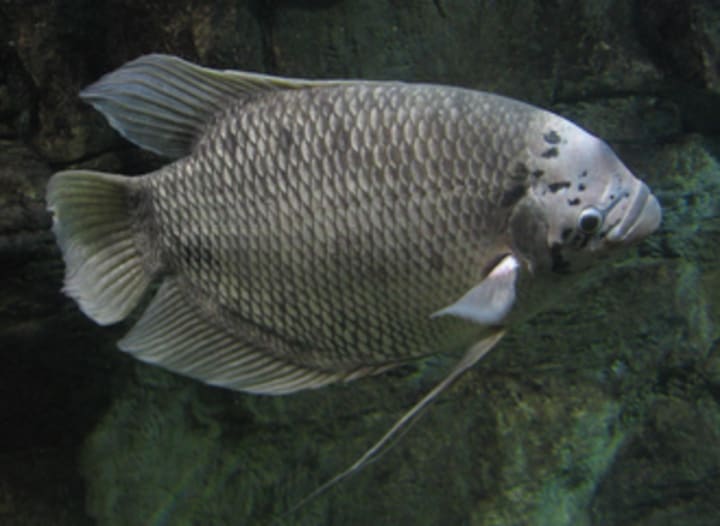
Male giant gouramis incubate eggs in their mouths, providing a safe haven until the fry are
ready to explore their watery home.
The Giant Gourami (Osphronemus goramy) is a large and fascinating freshwater fish
species. Here are some interesting facts about the Giant Gourami:
Physical Characteristics
1. _Size_: The Giant Gourami can grow up to 60-70 cm (24-28 in) in length and weigh up to
10 kg (22 lbs).
2. _Body shape_: They have a rounded body shape with a long, pointed snout.
3. _Scales_: They have large, cycloid scales that are grayish-brown in color.
Habitat and Distribution
1. _Native range_: The Giant Gourami is native to Southeast Asia, including Indonesia,
Malaysia, and Thailand.
2. _Habitat_: They inhabit freshwater environments, such as rivers, lakes, and wetlands.
Diet and Feeding
1. _Omnivorous_: The Giant Gourami is an omnivorous species, feeding on both plants and
animals.
2. _Diet_: They feed on algae, aquatic plants, insects, crustaceans, and small fish.
Breeding and Reproduction
1. _Mouthbrooders_: The Giant Gourami is a mouthbrooding species, where the male
incubates the eggs in his mouth.
2. _Spawning_: They spawn in shallow water, with the female laying up to 50,000 eggs.
Conservation Status
1. _Vulnerable_: The Giant Gourami is listed as Vulnerable on the IUCN Red List due to
habitat loss, overfishing, and pollution.
Interesting Facts
1. _Air-breathing_: The Giant Gourami is an air-breathing species, able to absorb oxygen
from both water and air.
2. _Intelligent_: They are considered an intelligent species, able to recognize their owners
and respond to feeding.
SEA CATFISH
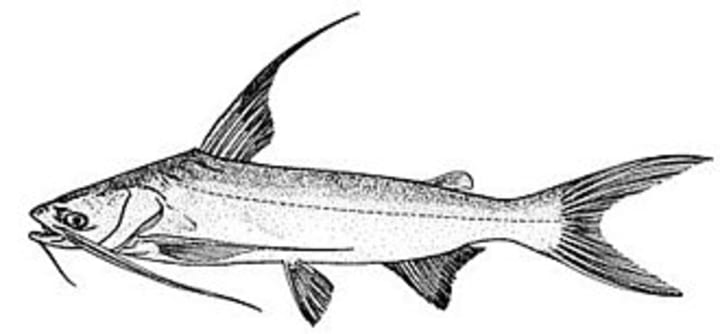
Male sea catfish carry fertilised eggs in their mouths until they hatch, ensuring their
offspring's safety in the deep sea.
Sea Catfish, also known as Marine Catfish or Ariidae, are a family of catfish that inhabit
marine and brackish environments. Here are some interesting facts about Sea Catfish:
Physical Characteristics
1. _Whisker-like barbels_: Sea Catfish have distinctive whisker-like barbels around their
mouth.
2. _Spines and spines_: They have spines on their dorsal and pectoral fins.
3. _Grayish-brown color_: They typically have a grayish-brown color with a white belly.
Habitat and Distribution
1. _Marine and brackish environments_: Sea Catfish inhabit marine and brackish
environments, including estuaries, mangroves, and coral reefs.
2. _Tropical and subtropical waters_: They are found in tropical and subtropical waters
around the world.
Diet and Feeding
1. _Omnivorous_: Sea Catfish are omnivorous, feeding on a variety of prey including fish,
crustaceans, and mollusks.
2. _Bottom-dwellers_: They are bottom-dwellers, using their whisker-like barbels to detect
prey in the sediment.
Reproduction and Conservation
1. _Mouthbrooding_: Some species of Sea Catfish exhibit mouthbrooding behavior, where
the male incubates the eggs in his mouth.
2. _Vulnerable to overfishing_: Sea Catfish are vulnerable to overfishing, habitat destruction,
and pollution.
Interesting Facts
1. _Can tolerate low salinity_: Sea Catfish can tolerate low salinity levels, allowing them to
venture into brackish and freshwater environments.
2. _Important food source_: They are an important food source for many marine predators,
including fish, birds, and mammals.
CARDINALFISH
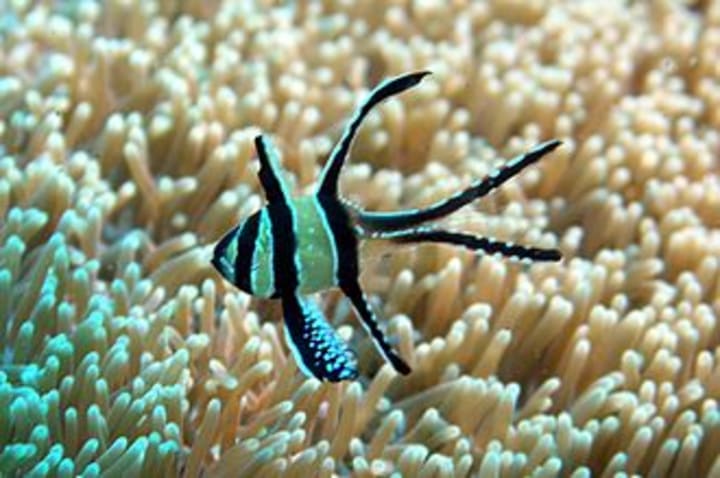
Male cardinalfish mouthbrood their eggs, ensuring they develop safely in their mouths before
releasing the tiny fry into the water.
Cardinalfish (Apogonidae) are a family of marine fish that are popular among aquarium
enthusiasts. Here are some interesting facts about Cardinalfish:
Physical Characteristics
1. _Small size_: Cardinalfish are relatively small, typically growing between 3-10 inches
(7-25 cm) in length.
2. _Streamlined body_: They have a streamlined body shape, often with vibrant stripes or
spots.
3. _Large eyes_: Cardinalfish have large, expressive eyes.
Habitat and Distribution
1. _Tropical waters_: Cardinalfish are found in tropical waters around the world, including the
Indo-Pacific and Atlantic regions.
2. _Coral reefs_: They inhabit coral reefs, rocky crevices, and estuaries.
Behavior and Diet
1. _Nocturnal_: Cardinalfish are nocturnal, spending most of their time hiding in crevices or
under ledges during the day.
2. _Carnivorous_: They feed on small crustaceans, plankton, and fish larvae.
Reproduction and Conservation
1. _Mouthbrooding_: Some species of Cardinalfish exhibit mouthbrooding behavior, where
the male incubates the eggs in his mouth.
2. _Vulnerable to habitat destruction_: Cardinalfish are vulnerable to habitat destruction,
overfishing, and pollution.
Interesting Facts
1. _Popular aquarium fish_: Cardinalfish are popular among aquarium enthusiasts due to
their vibrant colors and peaceful nature.
2. _Some species are bioluminescent_: Certain species of Cardinalfish have bioluminescent
capabilities, emitting light to communicate or attract prey.
JAWFISH
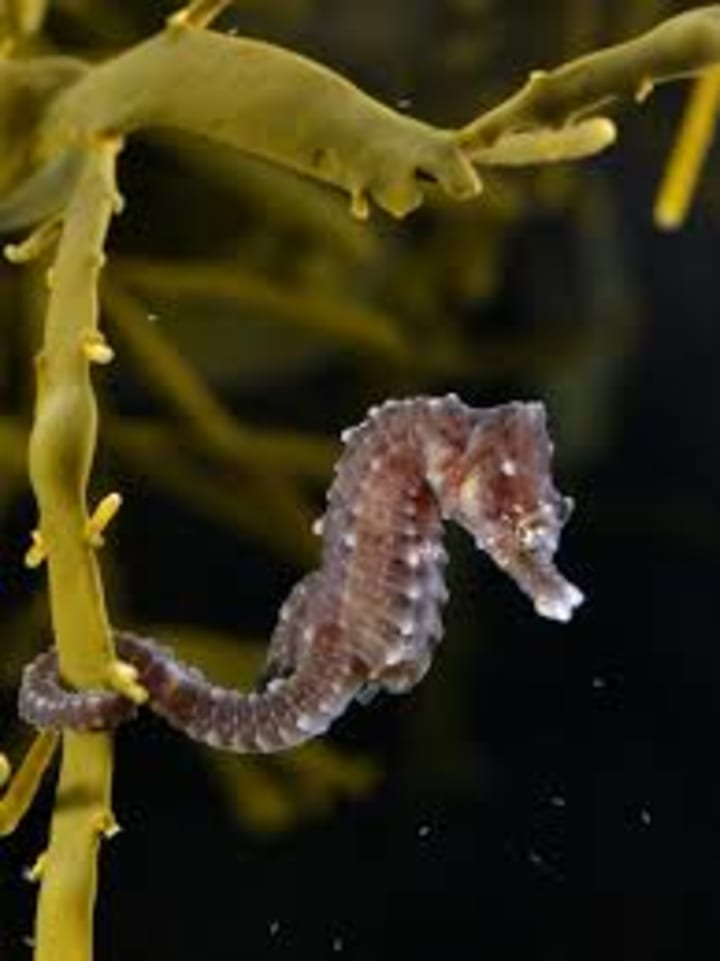
jawfish are devoted parents, holding their eggs in their mouths to protect them until they
hatch into tiny fish.
Jawfish (Opistognathidae) are a family of marine fish that are known for their unique
characteristics and behaviors. Here are some interesting facts about Jawfish:
Physical Characteristics
1. _Large mouth_: Jawfish have a large, extendable mouth that they use to capture prey.
2. _Long, pointed snout_: They have a long, pointed snout that helps them to search for food
in crevices and under rocks.
3. _Small size_: Jawfish are relatively small, typically growing between 2-6 inches (5-15 cm)
in length.
Habitat and Distribution
1. _Tropical waters_: Jawfish are found in tropical waters around the world, including the
Atlantic, Pacific, and Indian Oceans.
2. _Coral reefs_: They inhabit coral reefs, rocky crevices, and estuaries.
Behavior and Diet
1. _Ambush predators_: Jawfish are ambush predators, using their large mouth and long
snout to capture prey by surprise.
2. _Carnivorous_: They feed on small fish, crustaceans, and invertebrates.
Reproduction and Conservation
1. _Monogamous_: Some species of Jawfish are known to form long-term monogamous
pairs.
2. _Vulnerable to habitat destruction_: Jawfish are vulnerable to habitat destruction,
overfishing, and pollution.
Interesting Facts
1. _Complex courtship behavior_: Jawfish have a complex courtship behavior, involving
elaborate displays of color and movement.
2. _Some species are popular aquarium fish_: Jawfish are popular among aquarium
enthusiasts due to their unique appearance and interesting behavior.
BANGGAI CARDINALFISH
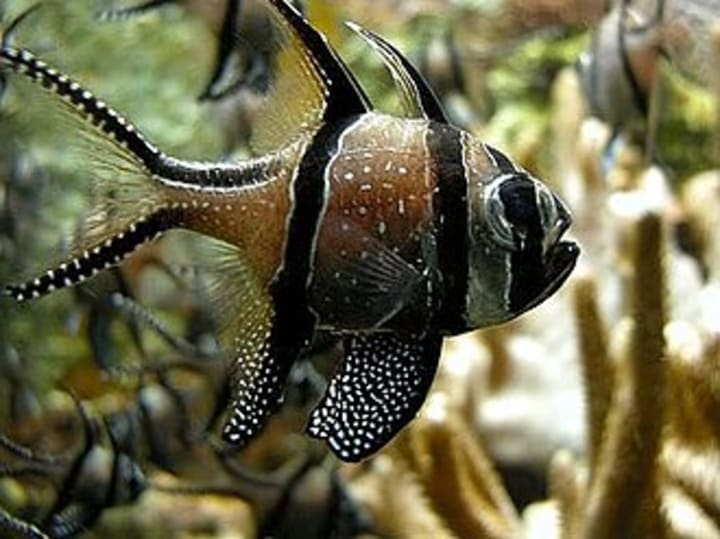
This species uniquely mouthbroods its eggs, with males nurturing the eggs until they hatch
into free-swimming fry.
The Banggai Cardinalfish (Pterapogon kauderni) is a species of cardinalfish that is native to
the Banggai Islands of Indonesia. Here are some interesting facts about the Banggai
Cardinalfish:
Physical Characteristics
1. *Distinctive stripes*: The Banggai Cardinalfish has distinctive stripes that run along its
body, with a mix of black, white, and yellow colors.
2. *Small size*: They are relatively small, growing up to 3-4 inches (7-10 cm) in length.
3. *Long fins*: They have long, flowing fins that they use for balance and communication.
Habitat and Distribution
1. *Banggai Islands*: The Banggai Cardinalfish is endemic to the Banggai Islands of
Indonesia.
2. *Coral reefs*: They inhabit coral reefs and rocky crevices in shallow waters.
3. *Schooling behavior*: They are known to form small schools in the wild.
Behavior and Diet
1. *Nocturnal*: The Banggai Cardinalfish is a nocturnal species, spending most of its time
hiding in crevices or under ledges during the day.
2. *Carnivorous*: They feed on small crustaceans, plankton, and fish larvae.
3. *Mouthbrooding*: The Banggai Cardinalfish is a mouthbrooder, with the male incubating
the eggs in his mouth.
Conservation Status
1. *Endangered*: The Banggai Cardinalfish is listed as Endangered on the IUCN Red List
due to overfishing and habitat destruction.
2. *Aquarium trade*: The species is highly sought after in the aquarium trade, which has
contributed to its decline in the wild.
Interesting Facts
1. *Popular aquarium fish*: The Banggai Cardinalfish is a popular species among aquarium
enthusiasts due to its unique appearance and interesting behavior.
2. *Monogamous pairs*: They are known to form long-term monogamous pairs in the wild.
Paternal Seahorses
Male seahorses use specialised pouches for birthing, but some relatives release young
through their mouths in a stunning display.
Paternal Seahorses are one of the most fascinating creatures in the animal kingdom. Here
are some interesting facts about them:
Unique Characteristics
1. *Male Pregnancy*: Seahorses are the only species in the animal kingdom where males
become pregnant and give birth to live young.
2. *Brood Pouch*: Male seahorses have a specialized brood pouch on their belly, where they
carry the eggs and developing young.
3. *Reversed Roles*: In seahorse courtship, the female deposits her eggs into the male's
brood pouch, reversing the traditional roles of males and females.
Reproduction and Parenting
1. *Mating Dance*: Seahorses perform a complex mating dance, involving entwining tails
and synchronized swimming.
2. *Egg Transfer*: The female seahorse deposits her eggs into the male's brood pouch, a
process that can take several hours.
3. *Male Incubation*: The male seahorse carries the developing young in his brood pouch for
several weeks, providing them with oxygen and nutrients.
4. *Live Birth*: After several weeks of incubation, the male seahorse gives birth to live
young, typically between 5-200 offspring.
Conservation Status
1. *Vulnerable*: Seahorses are listed as Vulnerable on the IUCN Red List, due to habitat
destruction, overfishing, and the aquarium trade.
2. *Habitat Protection*: Conservation efforts focus on protecting seahorse habitats, such as
coral reefs and seagrass beds.
Interesting Facts
1. *Monogamous*: Some seahorse species are known to form long-term monogamous pairs.
2. *Slow Swimmers*: Seahorses are slow swimmers, using their dorsal fin to propel
themselves through the water.
3. *Armored Bodies*: Seahorses have armored bodies, covered in tiny, bony plates called
"scutes".
About the Creator
mukesh jaiswar
you are tite then you can try your future bright
Keep reading
More stories from mukesh jaiswar and writers in Confessions and other communities.
Hershey
BELGIUM The 'chocolate capital of the world' typically refers to cities renowned for their rich history and production of chocolate. One such city is Brussels, the capital of Belgium. Here are five things to know about Brussels: Historical Significance Brussels has a long, prestigious history of chocolate production, dating back to the 17th century. The city's artisanal chocolatiers have preserved traditional recipes and techniques, contributing to its reputation as a hub for high-quality chocolate. Belgium is renowned for its rich chocolate history and cultural significance. Here are some key points: 1. *Colonial Era*: Belgium's chocolate history began during the colonial era, when cocoa beans were imported from the Congo. 2. *Industrialization*: In the late 19th century, Belgian chocolatiers like Godiva and Neuhaus pioneered industrial chocolate production. 3. *Innovations*: Belgian chocolatiers introduced innovations like the praline (filled chocolate) and the ballotin (boxed chocolates). 4. *Artisanal Tradition*: Belgium maintained its artisanal chocolate-making tradition, with many small, family-owned chocolatiers. Cultural Significance 1. *Chocolate Culture*: Chocolate is an integral part of Belgian culture, with many festivals, museums, and shops dedicated to chocolate. 2. *High-Quality Standards*: Belgian chocolatiers adhere to strict quality standards, ensuring high-quality chocolate products. 3. *Iconic Brands*: Belgian chocolate brands like Godiva, Neuhaus, and Leonidas are world-renowned for their excellence. 4. *Chocolate Tourism*: Belgium attracts millions of tourists each year, many of whom visit to experience the country's rich chocolate culture. Fun Facts 1. *Chocolate Capital*: Brussels, the capital of Belgium, is often referred to as the "Chocolate Capital of the World." 2. *Chocolate Museum*: The Chocolate Museum in Brussels offers interactive exhibits, workshops, and tastings. 3. *Chocolate-Making Traditions*: Belgian chocolatiers still use traditional techniques, like hand-tempering and hand-molding, to create their iconic chocolates.
By mukesh jaiswarabout a year ago in Confessions
Lately, I'm empty
Lately, I feel an emptiness inside of me that doesn’t make any sense. I was fine a week ago and now I’m numb to the pain that I’ve been carrying around. Numb to the idea of me existing. I wish I could go to a place where I can hear happy positive thoughts and surround myself with joy. The medication I’m on doesn’t seem to work anymore. I still feel pain from existing, why am I here anyways? Merely to exist. I don’t feel like I’m making any differences being here.
By Cerina Galvan3 days ago in Confessions
The Day I Learned to Stop Chasing Perfection
I spent years trying to be perfect. Not just “good enough,” but flawless in every way — at school, at work, with friends, even online. I wanted everyone to think I had it all together, that my life was seamless, and that I never made mistakes. But inside, it felt like I was constantly spinning, running on a treadmill that didn’t have a stop button.
By Londyn Rice3 days ago in Confessions



Comments
There are no comments for this story
Be the first to respond and start the conversation.