
The Letter I Never Sent to My Estranged Parent
A Journey from Pain to Forgiveness in Words Unspoken

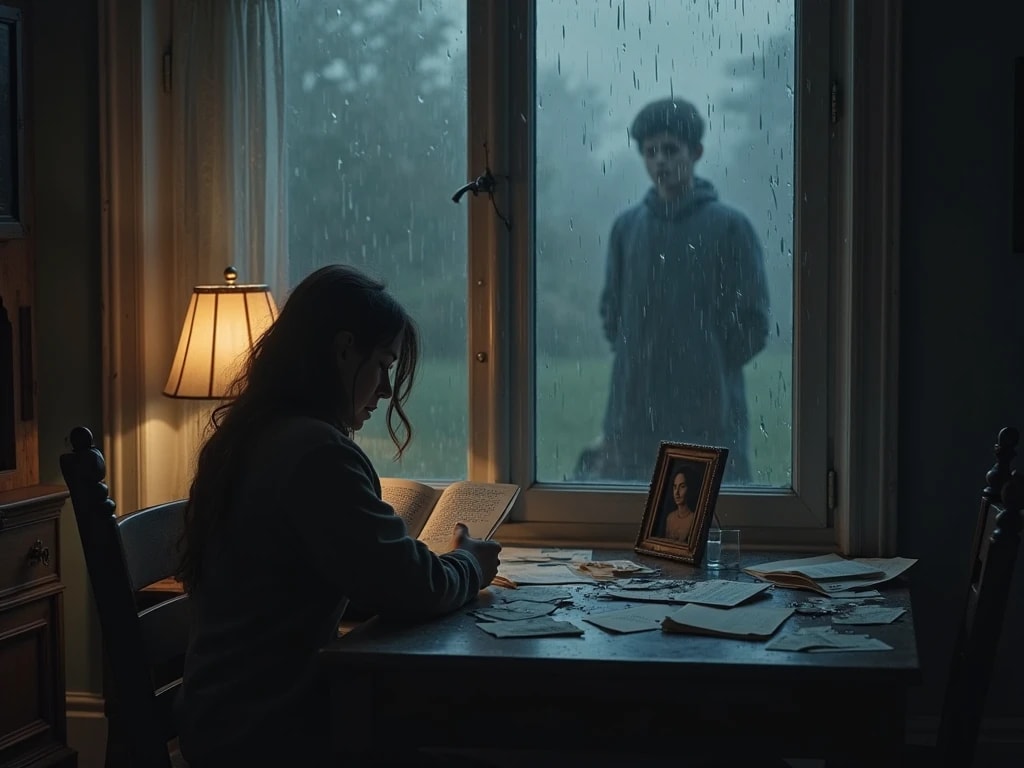
The Envelope That Never Left My Desk
I sat in my childhood bedroom, the air thick with dust and memories, holding a pen that felt heavier than it should. It was a rainy Tuesday in October, the kind where the world feels gray and endless. In front of me lay an envelope, its edges curling from weeks of hesitation. Inside was a letter I’d written to my estranged father—a letter I’d never send. The words were raw, jagged, a confession of pain I’d buried for years. I traced his name on the front, my handwriting shaky, and wondered if I’d ever find the courage to mail it.
We hadn’t spoken in a decade. The last time I saw him, I was 19, standing in the driveway as he drove away after another argument. He’d called me selfish, said I’d never understand his sacrifices. I’d screamed back, tears blinding me, and slammed the door. That was it. No calls, no birthdays, just silence. Over time, the silence grew into a wall I didn’t know how to climb.
The Weight of Unsaid Words
For years, I carried the anger like a stone in my chest. I’d replay our fights—his late nights at the bar, the money he spent that we didn’t have, the promises he broke. I blamed him for the nights I cried myself to sleep, for the gap where a father’s love should’ve been. But as I grew older, the anger twisted into something else: guilt. Had I been too harsh? Did he feel the same void I did? The questions haunted me, especially after my mom passed, leaving me as the last thread to a family unraveling.
That rainy day, I decided to write it all down. I poured my heart onto the page—every hurt, every memory, every wish for what could have been. I wrote about the time he taught me to ride a bike, his laughter echoing as I wobbled. I wrote about the Christmas he forgot, leaving me with an empty stocking and a broken heart. And I wrote about the man I’d become, wondering if he’d be proud or ashamed.
The Letter Takes Shape
“Dear Dad,” it began, the ink smudging where my tears fell. “I’ve spent years hating you, but I’m tired. I remember the good—the way you’d sing off-key in the car, the way you’d hug me tight after a bad day. But the bad weighs more. You left, and I didn’t know how to forgive you. I still don’t know if I can. But I need you to know I’ve carried you with me, even when I didn’t want to.”
I described the nights I’d lain awake, imagining his voice. I told him about my first job, my first love, the moments I wished he’d been there to see. I confessed my fear that I’d inherited his flaws—his temper, his tendency to run. And then, I wrote the hardest part: “I forgive you, Dad. Not because you asked, but because I can’t keep this pain anymore. I don’t know if you’d forgive me too.”
The letter ended with a question: “If you read this, would you write back?” I folded it, slipped it into the envelope, and set it on my desk. But I didn’t move to the mailbox.
The Memory That Stopped Me
As I stared at the envelope, a memory surfaced—sharp and unbidden. I was 12, sitting on the porch with him after one of his rare sober days. He’d handed me a daisy he’d picked from the yard, his calloused hands trembling. “You’re my light, kid,” he’d said, his voice breaking. I’d hugged him, feeling his stubble against my cheek. That was the last time I felt close to him. After that, the drinking worsened, and the distance grew.
That memory stopped me. What if the letter reopened wounds he couldn’t handle? What if he didn’t care? The fear of rejection—of hearing nothing or, worse, something cruel—paralyzed me. I tucked the envelope into a drawer, promising myself I’d decide later. But “later” stretched into weeks, then months.
A Turning Point in Silence
Months passed, and the letter stayed hidden. I started therapy, a step I’d avoided for years. My therapist asked about my dad, and the words spilled out—anger, guilt, love, all tangled together. She suggested I read the letter aloud, not to him, but to myself. So, one night, I did. Sitting in my living room, the rain tapping the windows, I read every word. My voice cracked on the forgiveness part. And for the first time, I felt lighter.
I didn’t need to send it. The act of writing, of facing my pain, was enough. I realized forgiveness wasn’t for him—it was for me. I could let go without his response. But I kept the letter, a reminder of the journey. I started sharing bits of my story online, on X and in small writing groups. People messaged me—strangers who’d lost parents, who understood the ache. “Your words helped me,” one wrote. That felt like a victory.
The Unsent Gift
Today, I’m 30, and the drawer still holds that letter. I haven’t seen or heard from my dad. Maybe he’s out there, thinking of me too. Maybe he’s not. I don’t know. But I’ve stopped needing to. I’ve built a life—friends, a career, a sense of self—that doesn’t hinge on his approval. The letter taught me I can carry love and loss together, that healing doesn’t always need a reply.
If you’re reading this, maybe you have your own unsent letter. Maybe it’s to a parent, a friend, or a version of yourself. Write it. Pour it out. You don’t have to send it to find peace. Keep it, burn it, or let it sit—whatever frees you. Because sometimes, the words we never say are the ones that save us.
Will You Share Your Story?
This is mine, raw and real. If it resonates, share it. Leave a comment—tell me about your own unspoken words. Together, we can turn pain into connection. And who knows? Maybe those reads will push me toward that $1000 dream on Vocal. Let’s make it happen.
About the Creator
Hewad Mohammadi
Writing about everything that fascinates me — from life lessons to random thoughts that make you stop and think.
Keep reading
More stories from Hewad Mohammadi and writers in Confessions and other communities.
Blessed 33
So I woke up on the morning of February 5, 2026 and guess what and you know what I realized? It’s my 33rd birthday. Do you know what that means? Yes, technically I’m getting old, but what I couldn’t have guessed was this would be one of the best days of my life.
By Joe Patterson6 days ago in Confessions


Comments
There are no comments for this story
Be the first to respond and start the conversation.