
The Psychology Behind Why We Swipe: Understanding User Behavior on Dating Apps
The Psychology Behind Why We Swipe: Understanding User Behavior on Dating Apps

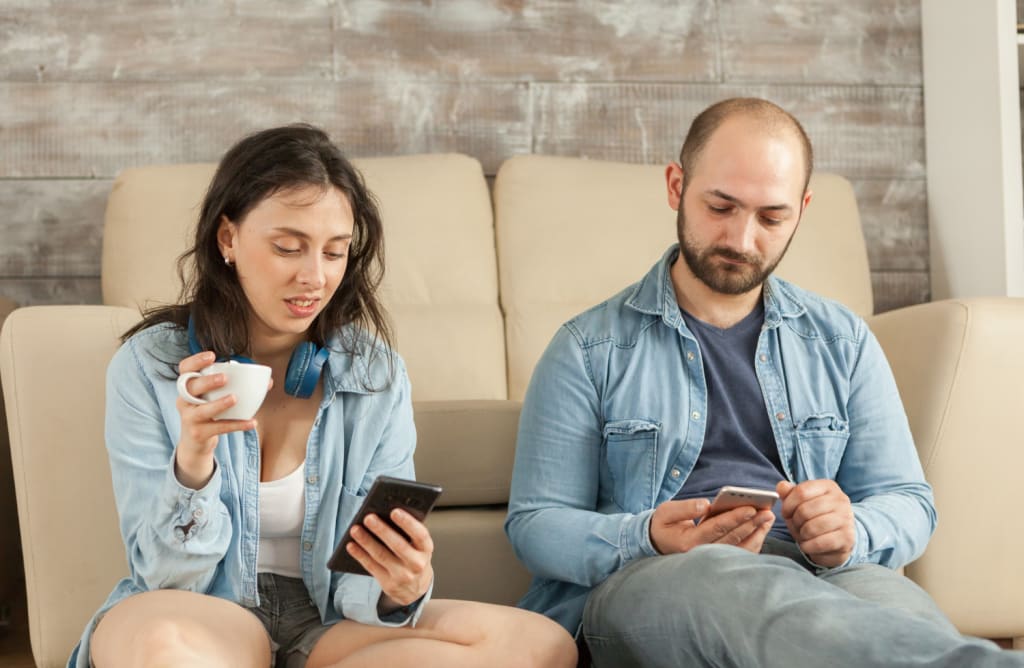
When I downloaded my first dating app, I thought I was just signing up for a new way to meet people. What I didn’t expect was how quickly it would become part of my daily routine—swiping during lunch breaks, before bed, while waiting in line for coffee. It started to feel less like a way to meet someone and more like a game I couldn’t stop playing.
Curious (and mildly concerned), I started diving into the psychology behind these swipes. Why was it so addictive? Why did I find myself swiping left on people I might genuinely connect with in real life? And why did a match feel like a little hit of dopamine? The answers, as I discovered, go much deeper than surface-level attraction.
The Instant Gratification of a Swipe
Let’s start with the obvious: dating apps offer instant gratification. The moment I created a profile and uploaded a few decent photos, I was greeted with a wave of matches, messages, and notifications. It felt like validation, like the app was saying, “You’re attractive! You’re desirable!”
But here's what I learned—this feeling isn’t just about ego. It’s actually rooted in something psychologists call intermittent variable rewards—the same principle that makes slot machines so addictive. Every swipe could result in a match… or nothing. That unpredictability keeps us coming back for more, hoping the next one will be “the one.”
I wasn’t just using the app for dates anymore—I was using it for hits of feel-good chemicals. Dopamine, specifically, floods the brain when we anticipate a reward. So even just the possibility of a match was enough to keep me hooked.
The “Shopping Cart” Effect
At one point, I realized I was swiping through profiles like I browse Netflix—quickly, restlessly, overwhelmed by options. Psychologists refer to this as the paradox of choice. The more options we have, the less satisfied we are with any single one of them.
This hit me hard. I’d meet someone on an app, go on a date, and feel like… maybe I should keep looking? What if someone better was just a swipe away?
Apps give us the illusion of endless opportunity. But that illusion often leads to superficial decision-making. I found myself judging people based on tiny things: a shirt I didn’t like, a bad bio pun, a group photo where I couldn’t tell who was who. In real life, I probably wouldn’t even notice these details—or if I did, I’d move past them quickly. But on apps, they became dealbreakers.
The design of the app encourages this. It's fast, visual, and rewards impulsive decisions. The “shopping cart” effect turns people into products—just another profile to scroll past. And I was just as much a part of that system as anyone else.
Biases, Algorithms, and Echo Chambers
Then there’s the algorithm. At first, I thought matches were random. But over time, I noticed a pattern. The people shown to me started to look more and more alike—not just physically, but in their interests, locations, even job types. I realized the app was learning my preferences and feeding me more of the same.
This felt… convenient, but also a little creepy.
Dating apps use complex algorithms to “optimize” our matches based on swiping history, interaction patterns, and even response time. In some ways, it helps—if I’m into outdoorsy, dog-loving teachers, I’ll probably be shown more of them. But it also creates echo chambers, reinforcing narrow preferences and subtly reinforcing biases I didn’t even realize I had.
I wasn’t swiping based on who someone was. I was swiping based on who the app thought I wanted. It was a wake-up call.
The Gamification Trap
Swiping started to feel less like dating and more like gaming.
Apps are gamified by design—complete with matches, points (in the form of likes), boosts, and rewards. Some even have animations when you get a mutual match, like confetti or celebratory sounds. It’s exciting. It’s fun. But it’s also distracting.
I began to realize I was spending more time on the app than actually dating. The goal stopped being connection—it became “getting more matches.”
When I noticed this shift in myself, I pulled back. I paused my profile and took a step back to reassess. What did I actually want? Was I using the app to find a meaningful relationship—or just to feel good about myself?
Reclaiming Intentionality
This is the part where it gets personal.
After months of mindless swiping, I decided to completely reset. I deleted the app for a while. When I came back, I rewrote my bio with honesty and simplicity. I uploaded fewer pictures, but ones that actually reflected my personality. I set an intention: only swipe if I’m genuinely interested, and only message people if I’m ready to meet in real life.
The results? Fewer matches, fewer messages—but better conversations. Real dates. Actual chemistry.
It was proof that when we use these tools intentionally, they can work. The problem isn’t the technology—it’s how we interact with it. Once I became aware of the psychological forces at play, I could make more conscious choices. I started asking myself: Am I bored, or am I actually seeking connection? Am I swiping for fun, or because I’m lonely?
Final Thoughts: Awareness Is Everything
The psychology behind swiping is powerful. These apps are built to capture our attention, trigger emotional responses, and keep us engaged as long as possible. But once you understand the mechanics—the dopamine hits, the paradox of choice, the reinforcement loops—you can start to take control.
Dating apps aren’t inherently bad. In fact, I know couples who met through them and are now happily married. But for me, the key was using them with awareness. Remembering that behind every profile is a real person. Slowing down. Choosing depth over speed.
So the next time you open an app and your thumb hovers over the screen, take a moment to pause. Ask yourself what you’re really looking for.
Because when we stop swiping mindlessly, we open the door to something much more meaningful.
Please note that this article may contain affiliate links, and the opinions shared are based on my personal experiences and perspectives.
About the Creator
Tracy Larson
A relationship and communication coach dedicated to supporting people in building meaningful connections online and offline.
Keep reading
More stories from Tracy Larson and writers in Confessions and other communities.
Instantalks Review: My Honest Review After 3 Months of Use
In our increasingly digital world, platforms like Instantalks have become a beacon for those looking to enrich their social lives and share moments with new faces. This online socializing platform offers users a unique escape from the humdrum of daily routines and boredom. But how well does it measure up in terms of ease of use, features, and overall value? Let’s dive into an in-depth Instantalks review.
By Tracy Larson8 months ago in Confessions
Blessed 33
So I woke up on the morning of February 5, 2026 and guess what and you know what I realized? It’s my 33rd birthday. Do you know what that means? Yes, technically I’m getting old, but what I couldn’t have guessed was this would be one of the best days of my life.
By Joe Patterson4 days ago in Confessions
"I COULDN'T BELIEVE IT" Katt Williams Recalls Watching Celebrities Board Shuttle Buses To Diddy Parties! "I'm Not Scared To Say Nothing"
With all the truths that stay in shadows, Katt Williams continues to shine light in those dusky areas. He told Big Boy during an interview that he had witnessed men with their heads bent low, hunched over and shoes untied, inexplicably.
By Skyler Saunders3 days ago in Confessions
The Saddest Thing - The Billionaires Who Rule America Aren't Even Enjoying Themselves
This single post says more about our ruling class than a thousand policy papers. The saddest thing about today's system is that the men robbing the rest of us - sabotaging our economic prospects, our pensions, our access to affordable healthcare - are not even happy.
By Scott Christenson🌴6 days ago in The Swamp



Comments