
Lester Street Massacre
Six Lives Lost in Memphis’ Worst Family Slaying

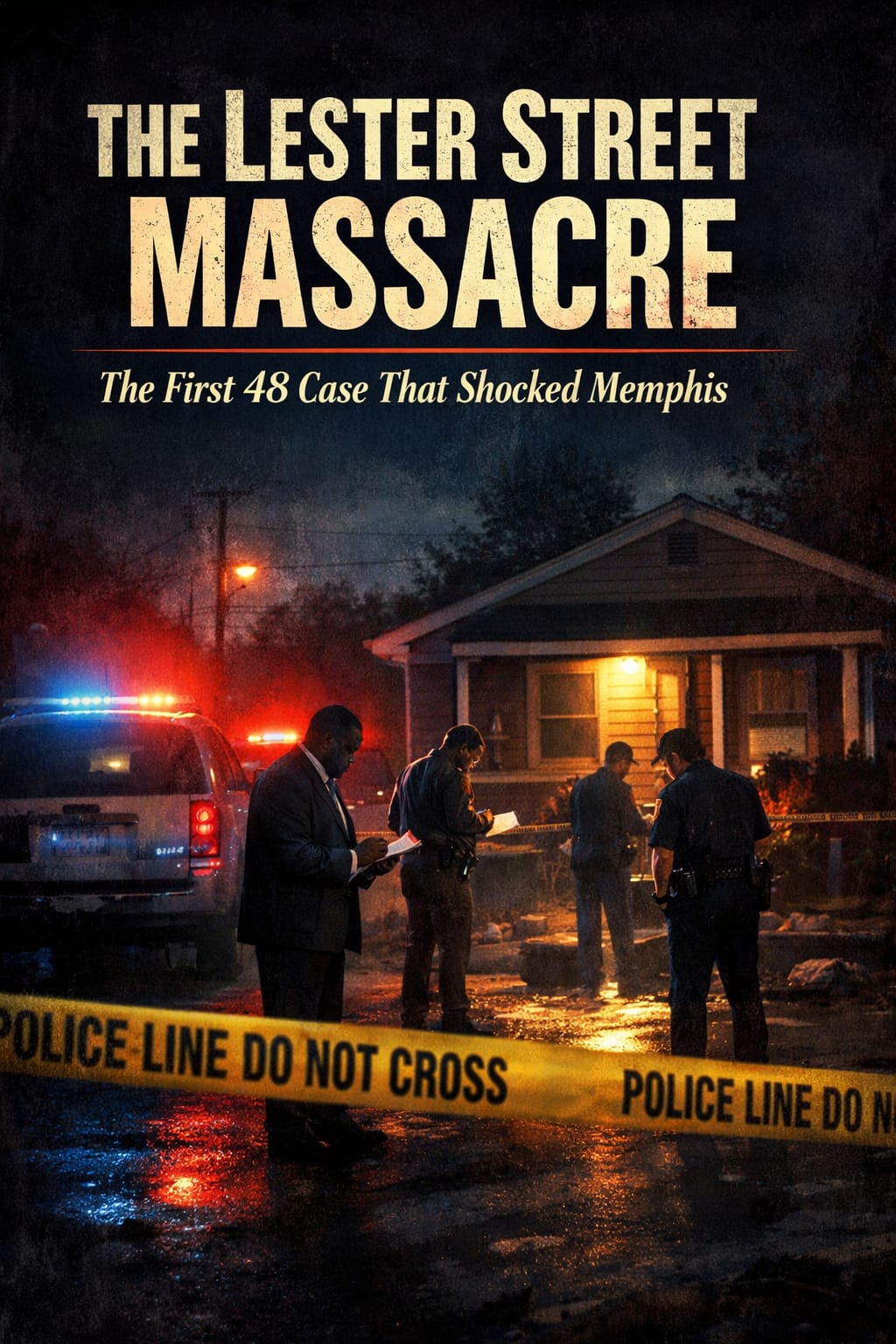
Lester Street Massacre: Six Lives Lost in Memphis’ Worst Family Slaying
A chilling The First 48 case where a home became a crime scene and names mattered — forever.

In the early morning hours of March 2, 2008, something unfathomable happened in a quiet Binghampton neighborhood in Memphis, Tennessee — a massacre that would shake a city, haunt investigators, and become one of the most talked-about cases ever featured on The First 48.
Inside a modest house at 722 Lester Street, six family members were brutally killed and three children were left injured but alive. The suspect was no stranger — he was family.
This is the full story — with the names of those we remember.
The Victims: Remembering the Lives
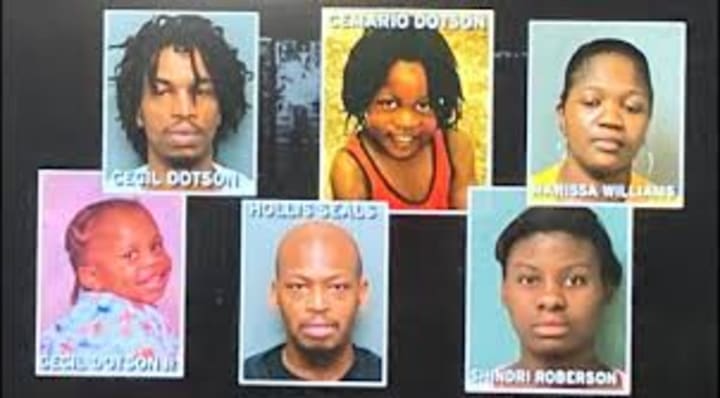
Before we dive into the investigation, it’s important to honor the individuals whose lives were taken:
Killed
Cecil Dotson, 30 — shot multiple times in head and body.
Marissa Williams, 27 — shot in the head and torso.
Hollis Seals, 33 — shot in the mouth and chest.
Shindri Robinson, 22 — shot multiple times.
Cemario Dotson, 4 — blunt force trauma and stabbing.
Cecil Dotson II, 2 — fatal stab wounds.
Injured but Survived
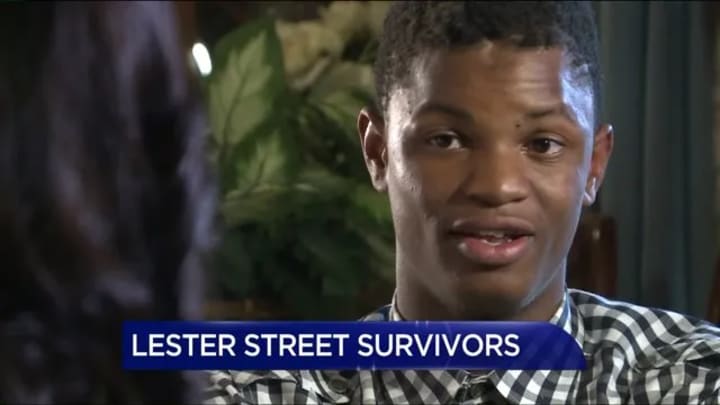
Three children — Cecil “C.J.” Dotson Jr. (9), Cedric Dotson (5), and Ceniyah Dotson (3 months) — were left with serious injuries but survived and were taken to the hospital.
We’ll come back to what happened to them and how their words helped solve the case.
The Scene: A Sunday Nightmare
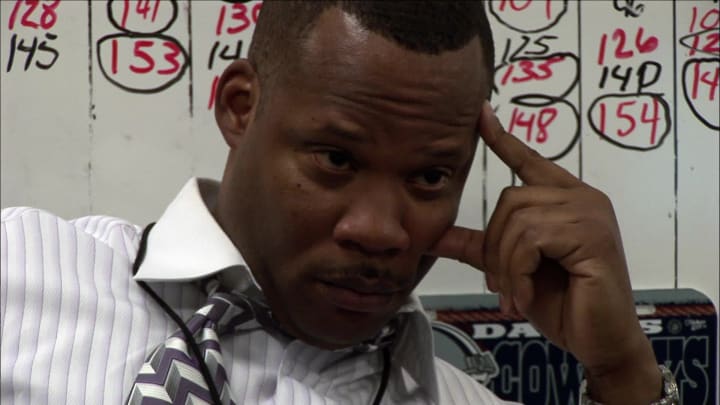
When Memphis police arrived at 722 Lester Street, they found what the director of the police described as one of the most horrific crime scenes his homicide unit had ever seen.
The house was still — eerily quiet — despite the violence that had occurred inside. Four adults and two children were dead. Bodies lay in different rooms, the victims shot or stabbed in a manner suggesting prolonged, intentional violence.
Initially, police couldn’t determine motive or suspect. Was it gang retaliation? A drug dispute? Enter The First 48 — the series that chronicles the vital first hours of homicide investigations and the race to find those responsible before they strike again.
In this case, those first 48 hours were life-changing.
Who Was Suspected — And Why
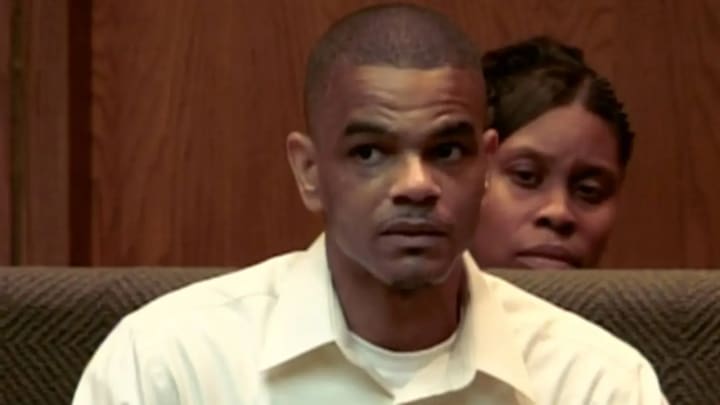
Detectives soon focused on Jessie Dotson, the brother of victim Cecil Dotson. Jessie had a criminal past, including time in prison for a previous murder and gang affiliations, and had only been released months earlier.
Investigators pieced together reports from neighbors and family members that tensions had existed among household members — possibly centered on personal disputes involving relationships and previous conflicts. Some sources later claimed that Jessie had previously dated Marissa Williams before she was with his brother, though that point remains debated among family members.
What shattered the initial confusion was the testimony from a surviving child.
A Child Survivor Speaks — Helping Break the Case
Nine-year-old Cecil “C.J.” Dotson Jr., who survived being stabbed and beaten during the attack, eventually identified his uncle Jessie Dotson as the person responsible for the massacre.
That identification gave detectives their first real break.
Rather than remaining a theory — like gang violence or outside suspects — the investigation began taking shape around a person with direct motives and connections to the family.
By March 7, 2008, Jessie Dotson was in custody and formally charged with:
Six counts of first-degree murder
Three counts of attempted first-degree murder for the surviving children.
The Arrest, Confession, and Court Battle
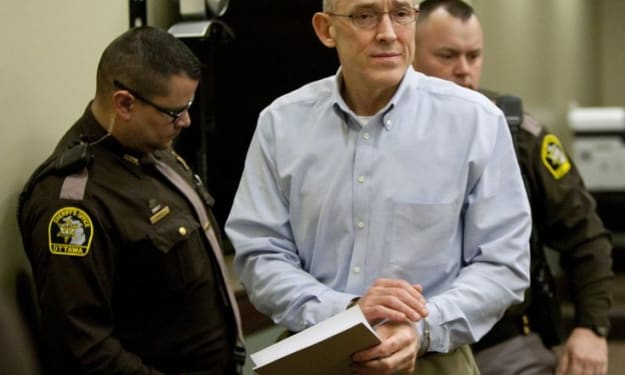
After his arrest, Dotson reportedly gave an oral statement admitting responsibility for the killings, including admitting to “trying to get rid of the kids” and “I stuck ’em,” according to some televised segments of the investigation.
However, portions of that confession were later ruled inadmissible in court because they had already been broadcast on The First 48 — a rare and consequential legal complication. Prosecutors and the judge argued that evidence first aired on television undermined the integrity of presenting it first in court.
The jury ultimately heard enough testimony and evidence to convict Dotson.
In 2010, he was sentenced to six death sentences — one for each life taken — along with additional years for the attempted murders of the children.
His death sentences were later affirmed by the Tennessee Supreme Court following appeal, confirming the convictions and the severity of the crimes.
Motive, Theories, and Ongoing Debate
Investigators originally considered several theories — including gang retaliation — because some adult victims had gang ties. But after Dotson’s confession and survivor identification, the story narrowed to a deeply personal, family-centric motive.
Friends and relatives later offered conflicting accounts about possible motives, including disputes over relationships and old tensions resurfacing. Some sources claimed Jessie was upset that a former girlfriend had moved on with his brother, but others disputed that narrative.
Despite speculation, the court focused on Dotson’s actions, not the underlying trigger — emphasizing the premeditation, repeated violence, and elimination of witnesses.
What Happened to the Survivors?
Though gravely injured, the three surviving children — C.J. Dotson Jr., Cedric Dotson, and Ceniyah Dotson — were transported to Le Bonheur Children’s Medical Center and treated for wounds including multiple stab and blunt-force injuries.
C.J. Dotson Jr. would play a crucial role in the identification of his uncle, providing testimony at trial despite the trauma he endured. The long-term recovery of all three children has been a combination of physical healing and emotional support from family and the community.
Legacy: A Case That Haunts Memphis
The Lester Street massacre remains one of the most devastating family murders in Memphis history — not just because of the brutality, but because of its impact on children, neighbors, and the criminal justice process.
It also raised uncomfortable questions:
Why did no one intervene sooner?
Could the surviving victims have escaped?
What truly motivated someone to kill six loved ones and injure three children?
And unlike some true-crime cases involving strangers, this one was painfully relational — a massacre carried out among family members and people who had once shared a home and a life.
About the Creator
Dakota Denise
Every story I publish is real lived, witnessed, survived. True or not I never say which. Think you can spot fact from fiction? Everything’s true.. I write humor, confessions, essays, and lived experiences
Keep reading
More stories from Dakota Denise and writers in Criminal and other communities.
The Last Confession: A Crime That Slept for Twenty Years
M Mehran The police station clock struck midnight when Inspector Arjun Malhotra finally opened the dusty case file. The label read “Rohit Verma Murder — Unsolved.” It had been untouched for nearly twenty years. Most people had forgotten the crime, but Arjun hadn’t. Some cases don’t fade with time—they wait. Rohit Verma was twenty-six when he was found dead in his apartment, stabbed once in the chest. No signs of forced entry. No stolen valuables. No fingerprints except his own. It was the kind of murder that mocked investigators—clean, quiet, and cruel. Back then, Arjun was a junior officer, watching helplessly as leads dried up and witnesses contradicted themselves. The case was eventually closed due to “lack of evidence.” But closure on paper never meant justice in reality. That night, a letter had arrived at the station—no return address, no stamp. Just a single line written in shaky handwriting: “I am ready to confess.” A Voice from the Shadows The next morning, an elderly man walked into the station. His name was Suresh Kapoor, a retired schoolteacher with trembling hands and tired eyes. He asked to speak only to Inspector Malhotra. “I killed Rohit Verma,” he said calmly. Arjun stared at him, searching for madness, attention, or regret. What he saw instead was exhaustion. Suresh explained that Rohit wasn’t a stranger. He was his former student—and later, his son-in-law. Twenty years ago, Rohit married Suresh’s daughter, Naina. On the surface, their marriage looked perfect. In reality, it was a prison. Rohit was controlling, violent, and manipulative. He isolated Naina from her family, monitored her calls, and turned his anger into bruises she hid beneath long sleeves. Every visit home ended with forced smiles and rehearsed lies. “She begged me not to interfere,” Suresh whispered. “She said it would only make things worse.” The Night Everything Changed On the night of the murder, Suresh received a phone call from Naina. She was crying, barely able to speak. “He’s going to kill me, Papa.” Suresh drove through the rain like a man possessed. When he reached the apartment, the door was unlocked. Inside, he heard shouting—Rohit’s voice, sharp and drunk. What happened next unfolded in seconds. Rohit lunged at Suresh with a kitchen knife, screaming accusations and threats. In the struggle, the knife slipped from Rohit’s hand. Suresh picked it up. “I didn’t plan it,” he said, tears running down his face. “I only wanted to protect my daughter.” The blade struck once. Rohit fell. Silence followed. A Crime Covered by Love Panicking, Suresh cleaned the knife and wiped every surface he had touched. Naina stood frozen, unable to process what had happened. Before leaving, Suresh looked at his daughter and made a decision that would haunt him for decades. “Forget this night,” he told her. “Live your life.” The investigation never suspected a respected schoolteacher. Naina moved abroad a year later, rebuilding her life piece by piece. She never spoke of her past again. Suresh carried the weight alone. “I thought I could live with it,” he told Arjun. “But guilt doesn’t age well. It grows.” The Truth Finally Surfaces Inspector Malhotra reopened the case. Old evidence, once meaningless, now fit perfectly with Suresh’s confession. The lack of forced entry. The wiped fingerprints. The single stab wound—defensive, not brutal. For the first time in twenty years, the case made sense. Suresh was arrested, but the public reaction was divided. Some called him a murderer. Others called him a father who did what the law failed to do. During the trial, Naina returned to testify. She spoke calmly, confidently, and without fear. “I am alive because of my father,” she said. The courtroom fell silent. Justice or Mercy? The judge sentenced Suresh to a reduced term, citing self-defense and emotional distress. He would spend the remainder of his life in custody, but not behind harsh bars—under medical supervision. As Suresh was led away, he looked at Arjun and nodded—not in relief, but in acceptance. That night, Inspector Malhotra closed the case file again. This time, for real. Some crimes are born from greed. Others from rage. And some—from love twisted by desperation. Justice, Arjun realized, isn’t always clean. But truth, no matter how late, always finds its way into the light. And some confessions wait twenty years—not because they are forgotten, but because they need the right moment to be heard.
By Muhammad Mehran6 days ago in Criminal
from death into life
Young Aldin of Wiloh had never contemplated death. It was almost strange — so many around him had the tendency to obsess over it, to clamor and claw almost desperately at their own perceptions of the end to know death as much as they could: when it would come, why it would come, where it would take them when it did.
By angela hepworth4 days ago in Fiction



Comments
There are no comments for this story
Be the first to respond and start the conversation.