
The Story of Tameka Drummer
A Life Sentence for Less Than Two Ounces

According to court records, officers searched her car and located a small amount of marijuana hidden inside the vehicle. Under normal circumstances, possession of that quantity would carry at most a few years in prison, and in many states today, it would not lead to incarceration at all. But Mississippi’s rigid habitual offender statute does not operate within the realm of normal consequences. Because Drummer had two prior felony convictions — voluntary manslaughter in 1992 and aggravated assault in 1998 — her marijuana possession charge became the “third strike” that triggered Mississippi’s mandatory life sentence law.
By the time a judge sentenced her in April 2008, Drummer was still a young woman at 32 years old. Her youngest child was just four. From that moment on, the doors of the Central Mississippi Correctional Facility closed behind her, and they have not opened since. She has now spent nearly two decades behind bars.
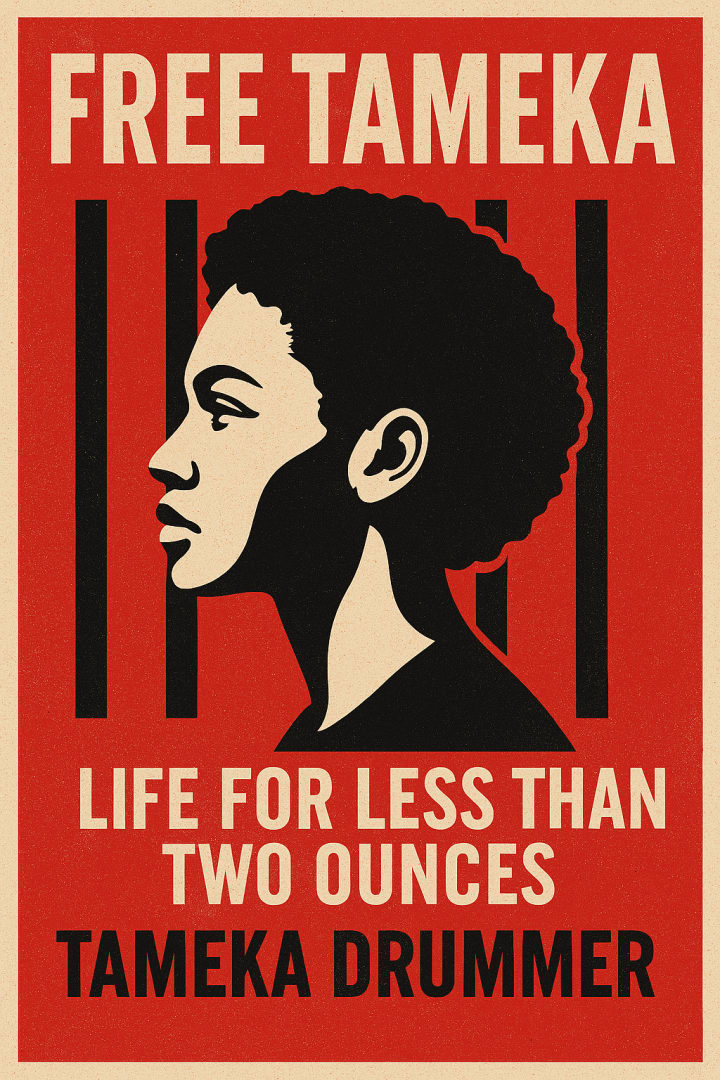
Supporters of criminal justice reform have repeatedly cited her case as one of the clearest examples of the harsh, unforgiving nature of Mississippi’s habitual offender laws. A 2020 analysis found that more than 2,600 people in the state were imprisoned under these statutes, including hundreds serving 20 years or more and at least 78 people serving life sentences only for drug offenses.
Tameka Drummer is one of them. And many believe she should not be.
Over the years, criminal justice organizations, faith groups, and community activists have shared her story in hopes of changing the law or convincing the governor to intervene. In 2020, a petition seeking her release gained over 240,000 signatures, reflecting growing national outrage over the extreme punishment she received for a nonviolent, low‑level offense.
But despite the public pressure, the governor has stated multiple times that he is not considering a pardon or sentence reduction in her case. Mississippi’s 2021 Earned Parole Eligibility Act expanded early-release opportunities for many inmates, yet it explicitly excluded habitual offenders like Drummer, shutting the door once more on any chance of parole.

Meanwhile, outside the prison walls, Mississippi has changed dramatically. In 2020, voters approved a medical cannabis program, and dispensaries began opening across the state in 2022. The same possession amount that condemned Drummer to life behind bars is now treated far more leniently — in some cases, as a misdemeanor or a medical-use quantity. But none of these reforms apply retroactively, meaning she remains held to laws written in a vastly different era.
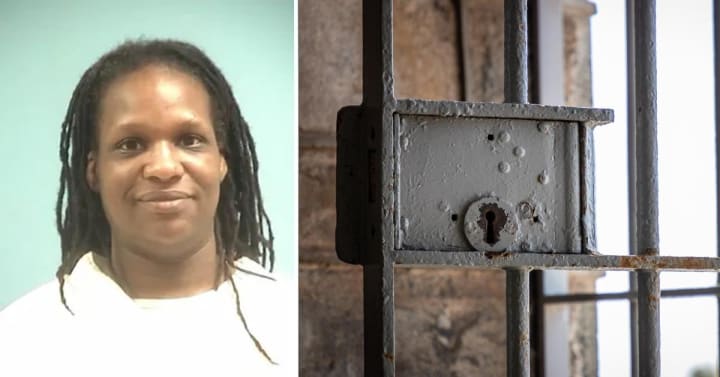
Her supporters continue to argue that punishment should fit the crime, and that forgiveness and reform should carry the same weight as past mistakes. They say Tameka Drummer’s story is not just about one woman — it is a reflection of a justice system that sometimes refuses to bend even when society does.
Yet despite the years, the petitions, the public support, and the shifting laws surrounding marijuana, she remains inside the same prison walls where she has spent nearly twenty years of her life.

If you habitual offender statute does not operate within the realm of normal consequences. Because Drummer had two prior felony convictions — voluntary manslaughter in 1992 and aggravated assault in 1998 — her marijuana possession charge became the “third strike” that triggered Mississippi’s mandatory life sentence law.
By the time a judge sentenced her in April 2008, Drummer was still a young woman at 32 years old. Her youngest child was just four. From that moment on, the doors of the Central Mississippi Correctional Facility closed behind her, and they have not opened since. She has now spent nearly two decades behind bars.

Supporters of criminal justice reform have repeatedly cited her case as one of the clearest examples of the harsh, unforgiving nature of Mississippi’s habitual offender laws. A 2020 analysis found that more than 2,600 people in the state were imprisoned under these statutes, including hundreds serving 20 years or more and at least 78 people serving life sentences only for drug offenses.
Tameka Drummer is one of them. And many believe she should not be.
Over the years, criminal justice organizations, faith groups, and community activists have shared her story in hopes of changing the law or convincing the governor to intervene. In 2020, a petition seeking her release gained over 240,000 signatures, reflecting growing national outrage over the extreme punishment she received for a nonviolent, low‑level offense.
But despite the public pressure, the governor has stated multiple times that he is not considering a pardon or sentence reduction in her case. Mississippi’s 2021 Earned Parole Eligibility Act expanded early-release opportunities for many inmates, yet it explicitly excluded habitual offenders like Drummer, shutting the door once more on any chance of parole
Meanwhile, outside the prison walls, Mississippi has changed dramatically. In 2020, voters approved a medical cannabis program, and dispensaries began opening across the state in 2022. The same possession amount that condemned Drummer to life behind bars is now treated far more leniently — in some cases, as a misdemeanor or a medical-use quantity. But none of these reforms apply retroactively, meaning she remains held to laws written in a vastly different era.
Her family has watched the world evolve without her. Children have grown up. Policies have shifted. And public understanding of drug offenses has changed dramatically. But the sentence remains unchanged: life, no parole, no release date, no second chance.
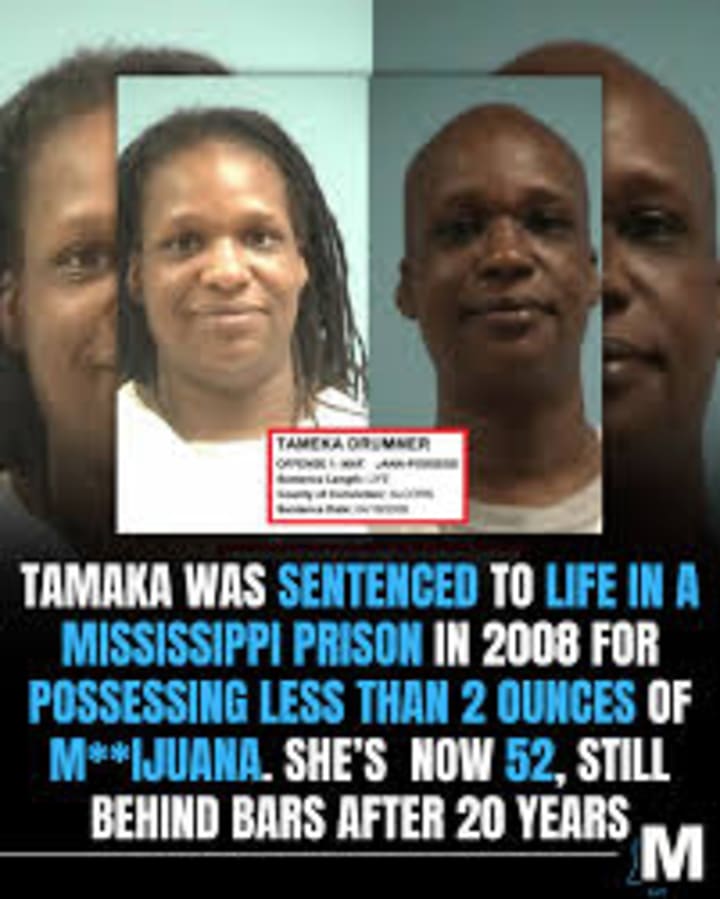
Her supporters continue to argue that punishment should fit the crime, and that forgiveness and reform should carry the same weight as past mistakes. They say Tameka Drummer’s story is not just about one woman — it is a reflection of a justice system that sometimes refuses to bend even when society does.
Yet despite the years, the petitions, the public support, and the shifting laws surrounding marijuana, she remains inside the same prison walls where she has spent nearly twenty years of her life.
Her future now depends on whether Mississippi lawmakers will someday revisit these habitual offender laws, or whether a governor will choose mercy over rigidity. Until that day comes, Tameka Drummer’s story will continue to be a symbol of the debate surrounding sentencing fairness, mass incarceration, and the fight for criminal justice reform.
This is so brutal This is so eviI...
This is so brutal This is so eviI...
This is so brutal This is so eviI...
This is so brutal This is so eviI...
Tamaka was sentenced to life in a Mississippi prison in 2008 for possessing less than two ounces of marijuana and is now 52, still behind bars after nearly 20
Mississippi Department of Corrections (MDOC) provides public inmate mailing addresses through their inmate search tool. This ensures the information is: Enter: Tameka Drummer
(Also spelled in some records as “Tameca” or “Tamaka” Drummer)
Her MDOC number is publicly listed in available records:
MDOC #138477
Want more powerful stories like this, Follow me
P.S CHECK YOU MY EBOOK COLLECTIONS
As we navigate this journey, let us remember the power of storytelling. Each tale shared is a step toward healing and understanding, bridging divides and fostering connections. The Chiraq Chronicles embody this spirit, inviting all to partake in the narrative of survival and triumph. In sharing our stories, we not only celebrate our past but also lay the groundwork for a future filled with possibility. Looking forward, we stand united, ready to embrace the challenges ahead, fueled by hope and the unwavering belief that together, we can create a brighter tomorrow.

About the Creator
Organic Products
I was born and raised in Chicago but lived all over the Midwest. I am health, safety, and Environmental personnel at the shipyard. PLEASE SUBSCRIBE to my vocal and check out my store
Keep reading
More stories from Organic Products and writers in Criminal and other communities.
REMOVAL OF TRUMP
I. Introduction Over the last several years, former President Donald J. Trump has been at the center of an unprecedented series of legal battles spanning criminal indictments, civil fraud actions, and high‑profile attempts by prosecutors at both the state and federal levels to hold him accountable for alleged misconduct. While many cases were dismissed or withdrawn following his 2024 reelection, one criminal conviction and one major civil verdict remain central to the legal record. This investigative report documents these proceedings factually, using verified details and citations from court reporting, reputable journalism, and public case histories.
By Organic Products 11 days ago in Criminal
Clara Harris: The Texas Socialite
Clara Harris: The Texas Socialite Who Ran Over Her Husband — And the Affair That Turned Deadly A luxury lifestyle, a cheating spouse, a hired private investigator, and a parking-lot confrontation that ended in one of the most shocking crimes of passion in modern true crime
By Dakota Denise 8 days ago in Criminal
The abduction of Jayme Closs
The abduction of Jayme Closs shocked the United States and drew national attention to the terrifying reality of targeted, premeditated crimes committed by strangers. In the early hours of October 15, 2018, Jayme’s life was violently and permanently altered when a young man she had never met arrived at her family home in Barron, Wisconsin** with the intention of taking her for himself.The offender, whose real name is Jake Patterson (sometimes incorrectly reported as Thomas Patterson), was a 21-year-old man who described himself as socially isolated and lonely. According to his own statements, he wanted a girl to keep him company and believed abducting one was the only way he could achieve this. Rather than attempting to form a relationship in a lawful or healthy way, Patterson made the deliberate and chilling decision to kidnap a child.
By Kure Garba4 days ago in Criminal




Comments (1)
Free her. free her free her