
Top 50 Worst Crimes That Shook Britain (Part 1)
Welcome to part 1 of the top 50 worst crimes that shocked the United Kingdom, check back daily for more episodes or watch the video below.

50 - The Rettendon Murders
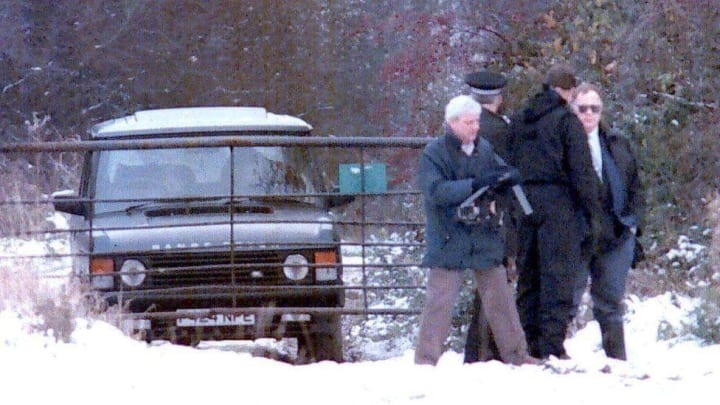
On December 6th, 1995, three drug dealers were shot dead inside a blue Range Rover on a secluded farm track in the village of Rettendon.
Anthony "Tony" Tucker, aged 38, Patrick "Pat" Tate, aged 37 and Craig Rolfe, 26, were all part of the same criminal network that later became known as the "Essex Boys."
Tucker as a key figure in the Essex criminal underworld and ran a security firm that provided door staff for nightclubs in the area. He was also a security guard for former super middleweight boxing champion Nigel Benn.
Tate was an amateur bodybuilder and also worked in the security business while Rolfe, who was born in London’s Holloway Prison, shared a three-bedroom detached house with his girlfriend.
On that cold winter morning, the bodies were found by a local farmer. All three men had been shot at close range with a shotgun, an act that was described as a brutal execution-style killing.
The murders sparked a major police investigation, known as "Operation Century." The case was challenging due to the lack of forensic evidence and a "code of silence" within the criminal underworld.
A police informer named Darren Nicholls was arrested for a drug offense, claimed to have been the getaway driver for the murderers and identified Jack Whomes and Michael Steele as the perpetrators.
Claims that the killings were linked to a large supply of un-sellable cannabis were rife, but the death of teenager Leah Betts, who died after taking an ecstasy tablet allegedly supplied by Tucker's network were also known.
He testified that the motive for the killings was a drug deal that had gone wrong. Whomes and Steele were convicted of the murders on January 20, 1998, at the Old Bailey and were sentenced to life imprisonment.
The convictions of Whomes and Steele have been the subject of intense controversy, with both men consistently maintaining their innocence and questions have been raised about the reliability of the main witness, Darren Nicholls.
49 - The Soham Murders
One of the most harrowing child abduction and murder cases in modern British history, the disappearance of ten-year-olds Holly Wells and Jessica Chapman horrified the nation.
On the evening of August 4th, 2002, Holly Wells and Jessica Chapman, best friends, were enjoying a barbecue at Holly's home. Dressed in matching Manchester United football shirts, they ventured out to a local shop to buy sweets.
They were last seen alive by a local resident at around 8:15 PM. When they failed to return home, their parents, Kevin and Nicola Wells, and Leslie and Sharon Chapman, raised the alarm, sparking a massive missing person investigation.
The search for Holly and Jessica quickly became one of the largest in UK policing history. Thousands of volunteers joined police officers in scouring the local area, while the girls' images were broadcast across the country.
Hopes were shattered on August 17th, 2002, when their bodies were discovered by a gamekeeper in a ditch near Mildenhall, Suffolk, approximately ten miles from Soham.
The focus of the investigation soon turned to Ian Huntley, the caretaker at Soham Village College, where the girls' parents taught even though he had been among the first to be interviewed by police and had even appeared on television to express his "concern" for the girls.
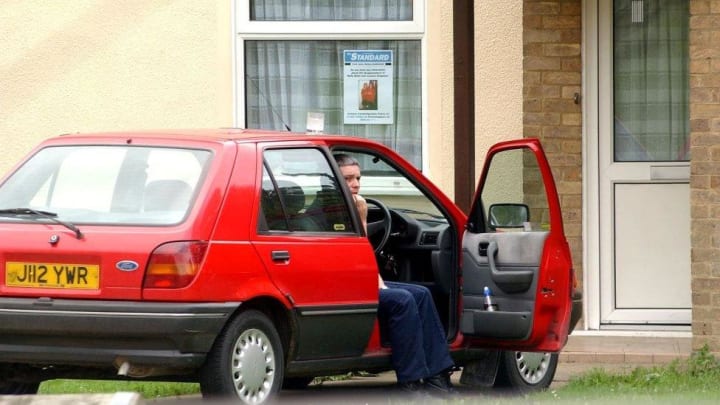
A now famous photograph of Huntley, sitting in the door of his car that was published in various media circles only added to the suspicion around him.
After inconsistencies in his statements and his increasingly agitated behaviour, Forensic evidence, including fibres from the girls' football shirts found in his home, ultimately linked him to the murders.
In December 2003, Ian Huntley was found guilty of the murders of Holly Wells and Jessica Chapman and sentenced to two life terms in prison.
His girlfriend, Maxine Carr was convicted of perverting the course of justice for providing him with a false alibi and was sentenced to three and a half years in prison.
The Soham murders led to significant changes in child protection policies in the UK, including the implementation of the Bichard Inquiry recommendations, which focused on vetting procedures for people working with children.
48 - The Doctor Death Murders
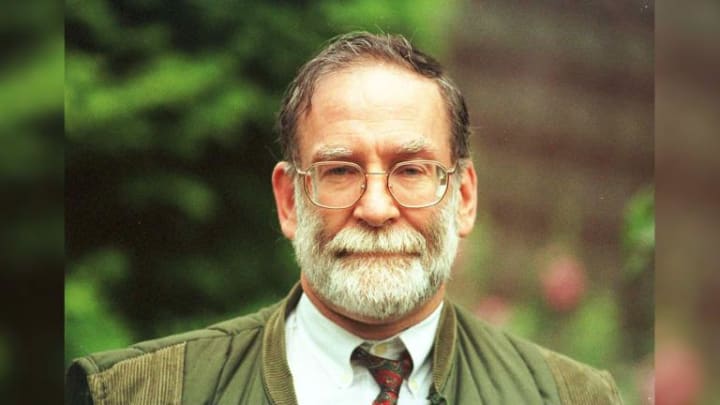
A trusted pillar of the community, Doctor Harold Shipman was a kind, attentive family doctor, a comforting presence to his patients in their moments of vulnerability.
But behind the facade of a caring physician, lurked one of history's most prolific and chilling serial killers, possibly even the worst serial killer of the 21st century.
Shipman's crimes were a cold-blooded and systematic perversion of his medical skills where he used his position of absolute trust to target vulnerable, often elderly, patients while visiting them in their homes.
After administering a lethal doses of powerful painkiller diamorphine, Shipman would falsify their medical records to suggest they had died from natural causes and in some cases forge their wills. The sheer scale of his deceit was cruel and staggering.
His killing spree went undetected for so long due to a series of systemic failings and the simple fact that no one could conceive of a doctor committing such heinous acts, yet eventually he was deemed to have murdered at least 215, and possibly as many as 260, people over a span of nearly three decades.
It was only when a colleague grew suspicious of the high death rate among his patients and the curious pattern of his victims—elderly women found dead at home, fully dressed, shortly after a visit from Shipman—that the truth began to unravel.
The final straw came with the crude forgery of the will of his last victim, Kathleen Grundy, which left her entire estate to him. This act, so clumsy and audacious, ultimately led to his downfall.
Shipman's trial began in October 1999 at Preston Crown Court, where he faced charges for the murders of 15 of his patients with lethal doses of diamorphine as the primary evidence.
His defence was weak at best and on January 31st, 2000, after a four-month trial, the jury found him guilty on all counts and he was sentenced to 15-life sentences, with the judge recommending he serve a "whole life tariff," meaning he would never be released.
Shipman was moved to Wakefield Prison in West Yorkshire, nicknamed "Monster Mansion" due to the high level of notorious prisoners behind its walls.
On the morning of January 13, 2004, the day before his 58th birthday, Shipman was found dead in his cell. He had committed suicide by hanging himself with his bedsheets.
Shipman never admitted his guilt and not only did he leave his victims' families without closure, it was later revealed that his suicide was planned, a likely attempt to secure his wife's full financial pension.
Over the years, Shipman has been nicknamed "Dr. Death" and "The Angel of Death" with him currently being the only known doctor in British history that has been convicted of murdering his patients, he is today, considered to be one of the most prolific serial killers in modern history.
47 - The Raul Moat Slayings
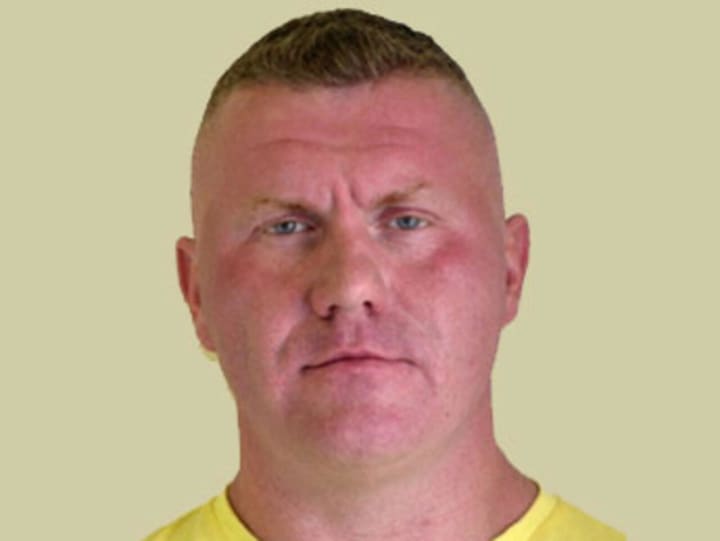
Few horrifying crimes have been more widely televised than that of the hunt for Raul Moat, which took place across the North-East of England in July 2010.
On July 3, 2010, Moat went to a house in Birtley, Gateshead, and shot his former girlfriend, Samantha Stobbart, and her new partner, Chris Brown. Brown was killed, and Stobbart was severely injured.
Less than 24 hours later, Moat shot and blinded PC David Rathband as the officer sat in his patrol car. Moat had a long-standing grudge against the police and had called them shortly before the attack, threatening to shoot an officer.
Moat later sent a 49-page letter to police, declaring "war" on them which sparked the largest manhunt in modern British history, involving 160 armed officers, helicopters, dogs, and even a Royal Air Force jet for reconnaissance.
Despite police issuing a £10,000 reward for information leading to his arrest, Moat evaded capture for almost a week, sleeping rough and even robbing a fish and chip shop.
The hunt concluded in the town of Rothbury, Northumberland, on July 9, after Moat was recognized by a member of the public. He was cornered by police on a riverbank, where a six-hour standoff ensued.
During the standoff, Moat pointed a shotgun at his own head. Despite attempts by police negotiators and even a friend to get him to surrender, the standoff ended when Moat shot himself.
He was pronounced dead at a hospital shortly after and although an inquest ruled his death a suicide, many of Moats friends claim that the use of an experimental police taser, may have contributed to his death.
46 - The Murder of Jill Dando
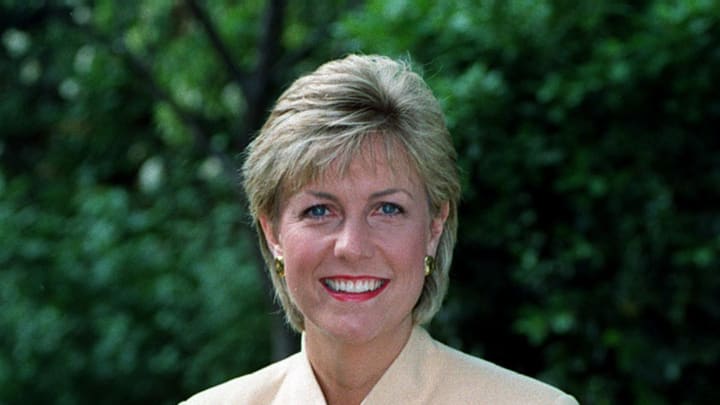
On April 26, 1999, BBC television presenter and journalist Jill Dando was shot and killed on the doorstep of her home in Fulham, London. The brutal and baffling crime, carried out in broad daylight, sparked one of the largest murder investigations in British history.
Known for her work on popular shows like Crime-watch, Dando was a beloved public figure, and her death sent shockwaves across the nation.
As Dando was about to unlock her front door, an assailant grabbed her from behind, forced her to the ground, and shot her once in the head with a 9mm pistol.
The bullet was fired at close range, killing her instantly. The murder was described as having "amateurish aspects," and police ruled out a professional assassin. With few leads, the investigation, named "Operation Oxborough," proved fruitless for over a year.
Eventually, police focused on Barry George, a local man who lived near Dando's home. He was arrested and, in 2001, convicted of her murder. The key piece of evidence was a single particle of firearms residue found in his coat pocket.
However, concerns about the conviction were widespread, and in 2007, the Court of Appeal quashed the verdict, citing the forensic evidence as unsafe and inconclusive. In 2008, George was acquitted in a retrial.
The murder of Jill Dando remains officially unsolved. Multiple theories about the motive have been explored, including the possibility of a revenge attack related to her work on Crimewatch, a deranged fan, or a politically motivated killing.
However, no other suspect has ever been charged, and the mystery behind who killed the popular TV presenter endures.
45 - The Beverley Allitt Murders
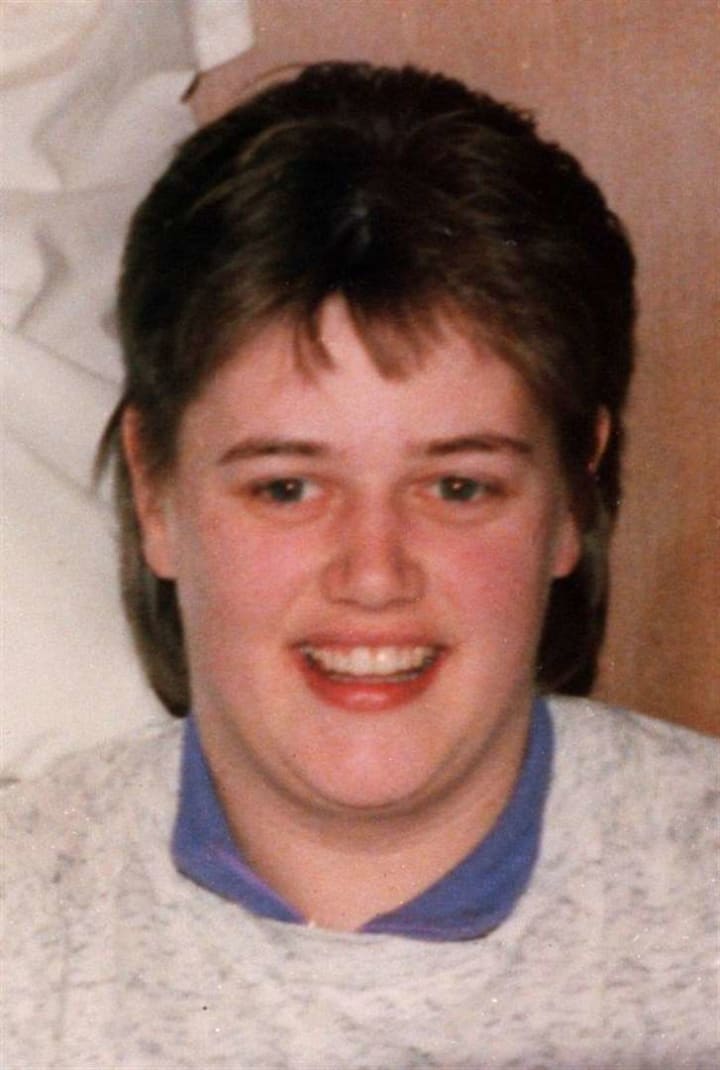
Between February and April 1991, a terrifying pattern of events unfolded on the children's ward at Grantham and Kesteven General Hospital in Lincolnshire.
What at first seemed like a series of tragic, inexplicable medical crises, was in fact the work of a serial killer hiding in plain sight. Beverley Allitt, a State Enrolled Nurse, had systematically attacked 13 children under her care, killing four of them.
Allitt’s crimes were particularly horrifying because of her position of trust. She manipulated her patients' vulnerable state, administering lethal substances like insulin and other unknown substances, and in some cases, suffocating them.
The unusual number of cardiac arrests on the ward eventually raised suspicions among staff, particularly after the death of Claire Peck.
It was discovered that Allitt had been on duty during every one of the suspicious incidents. Police were called in, and an investigation found that Allitt had access to the drugs used in the attacks.
In May 1993, at Nottingham Crown Court, Beverley Allitt was convicted of four counts of murder, three counts of attempted murder, and six counts of grievous bodily harm.
She was sentenced to 13 concurrent life sentences. Her motive has never been fully explained, but it is believed that her actions were a result of a factitious disorder, in which she harmed her patients to gain attention for herself. Allitt is currently detained at Rampton Secure Hospital.
44 - The Murder of Sarah Payne
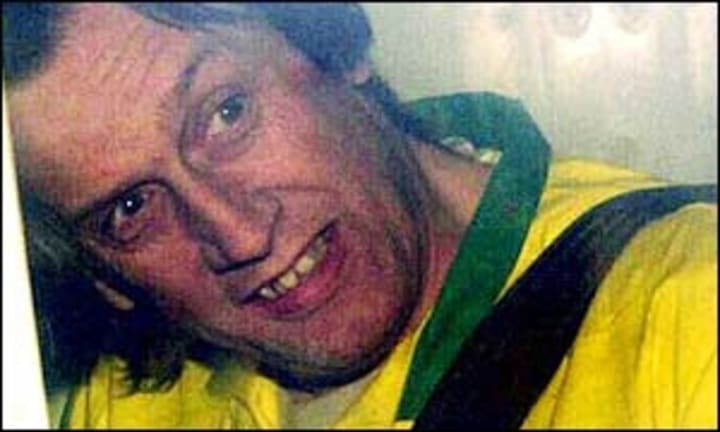
On July 1, 2000, eight-year-old Sarah Payne vanished while playing in a field near her grandparents' home in West Sussex. Her disappearance sparked a massive search operation involving over a thousand police officers and countless volunteers, capturing the hearts of a horrified nation.
For 17 agonizing days, her family held onto hope, but on July 17, a farmhand discovered Sarah's body in a field 15 miles away. The post-mortem confirmed she had been murdered. The police investigation, a testament to modern forensic science, quickly focused on a man named Roy Whiting.
A known offender with a prior conviction for abducting and assaulting a young girls, Whiting had been questioned by police early in the search but released on bail due to a lack of evidence. However, a series of crucial forensic breakthroughs would later seal his fate.
In a meticulous investigation, police found a single shoe belonging to Sarah and a strand of her hair in Whiting's van. DNA analysis of the hair revealed there was a one-in-a-billion chance it belonged to anyone other than Sarah. This, along with other key forensic evidence, including fibers from his van found on her shoe, led to his arrest and charge.
Whiting's trial began in November 2001, and in December, he was convicted of abduction and murder and sentenced to life imprisonment. The case of Sarah Payne became a catalyst for change, leading to a public campaign that resulted in the implementation of "Sarah's Law" in 2011.
This law allows parents and guardians to request information from the police about a person with a known history of child offenses, forever changing child protection legislation in the UK.
43 - The Murder of Rhys Jones
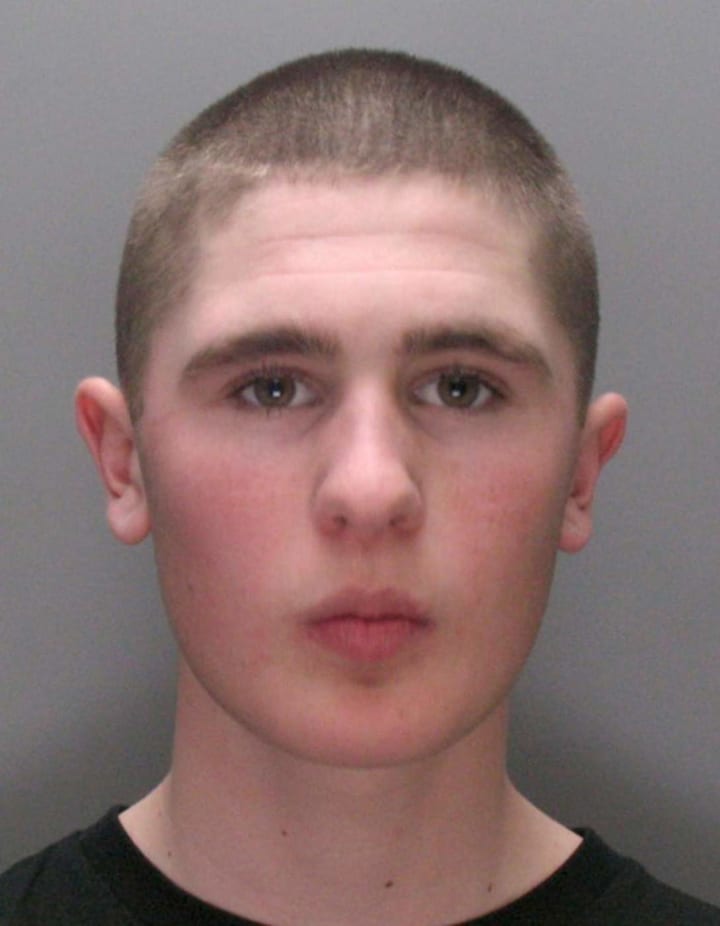
An innocent bystander, caught in the crossfire of a gang feud, Rhys was crossing the car park of the Fir Tree pub when a hooded youth on a bicycle, later identified as 16-year-old Sean Mercer, opened fire with a handgun.
Mercer was aiming at rival gang members from the Norris Green "Strand Crew," but his shots missed their intended targets, with one fatally striking Rhys. Despite the efforts of paramedics, Rhys was pronounced dead at Alder Hey Children's Hospital.
The investigation was complex, as the local community was initially reluctant to cooperate due to fear of the gangs. However, a major police effort and a public appeal from Rhys's parents, Steve and Melanie Jones, eventually broke the "wall of silence."
The police investigation, which included the use of bugging devices, led them to the murder weapon and evidence of a deliberate cover-up by Mercer and his associates.
In December 2008, after a nine-week trial, Sean Mercer was found guilty of murder and sentenced to a minimum of 22 years in prison. Six other individuals were also convicted of assisting an offender for their roles in helping Mercer evade justice by destroying evidence and providing false alibis.
42 - The White House Farm Murders

In the early hours of August 7, 1985, a scene of unimaginable horror was discovered at White House Farm in Essex.
Five members of the Bamber family—parents Nevill and June, their adoptive daughter Sheila Caffell, and her six-year-old twin sons, Daniel and Nicholas—had been brutally shot to death.
Initially, the police concluded it was a tragic murder-suicide, believing that Sheila, who had a history of paranoid schizophrenia, had killed her family before turning the gun on herself.
However, doubts soon emerged, largely fueled by the strange behavior of the only surviving immediate family member, Jeremy Bamber, the victims' adoptive son. His calm demeanor and seemingly inconsistent accounts of the events raised suspicion.
A crucial turning point came when his ex-girlfriend, Julie Mugford, changed her initial statement and told police that Bamber had confided in her about his plans to kill his family to inherit their fortune.
At the trial in 1986, the prosecution argued that Bamber, motivated by a desire to inherit the family’s estate, had committed the murders himself. A key piece of evidence was a rifle silencer, found in the house with Sheila's blood on it.
The prosecution contended that if the silencer had been used, the rifle would have been too long for Sheila to have shot herself with it. The jury ultimately agreed with the prosecution's case, and Jeremy Bamber was convicted on all five counts of murder.
Bamber was sentenced to a "whole life tariff," meaning he will never be released from prison. Despite his conviction and numerous failed appeals, he has always maintained his innocence, consistently claiming his sister was the killer.
41 - The Dunblane Massacre
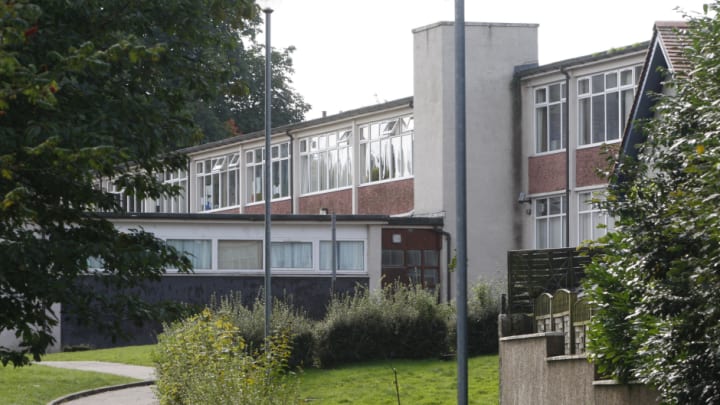
On March 13, 1996, a small Scottish town was shattered by an act of unimaginable horror. Thomas Hamilton, a 43-year-old local man, entered Dunblane Primary School armed with four handguns and hundreds of rounds of ammunition.
In a horrific three-minute rampage, he fired over a hundred bullets into a gym class of five and six-year-olds, killing 17 children and their teacher, Gwen Mayor, before turning a gun on himself.
The Dunblane massacre sent a shockwave across the UK and the world. The sheer scale of the tragedy—the killing of so many innocent, young lives in a place of safety—was incomprehensible.
In the immediate aftermath, a grieving nation united in its condemnation of the violence. The response was not one of despair but of determined action.
The public outcry, spearheaded by the parents of the victims in what became known as the Snowdrop Campaign, was a powerful call for change. Their petition to ban handguns gathered over 750,000 signatures.
Less than a year later, Parliament passed the Firearms Act 1997, which effectively outlawed the private ownership of all handguns in mainland Britain. The move was unprecedented, and in the years that followed, gun homicides in the UK plummeted.
Today, a memorial fountain sits in Dunblane Cathedral Cemetery, a tribute to those who suffered and lost so much more than 29 years ago.
40 - The Russell Murders
On July 9, 1996, a quiet country lane in Chillenden, Kent, became the scene of a brutal crime that would haunt the UK for decades.
Lin Russell, a 45-year-old teacher, and her two daughters, Megan, six, and Josie, nine, were walking home with their dog when they were attacked with a hammer.
Lin and Megan were killed, but nine-year-old Josie miraculously survived, despite suffering severe head injuries. The family dog, Lucy, was also killed.
The horrific and seemingly motiveless attack sent shockwaves across the nation, triggering one of the largest manhunts in Kent Police history. The public was gripped by the terrifying uncertainty that a killer was at large.
The case gained significant media attention, and a year after the murders, a reconstruction on the BBC program Crime-watch led to a crucial tip-off.
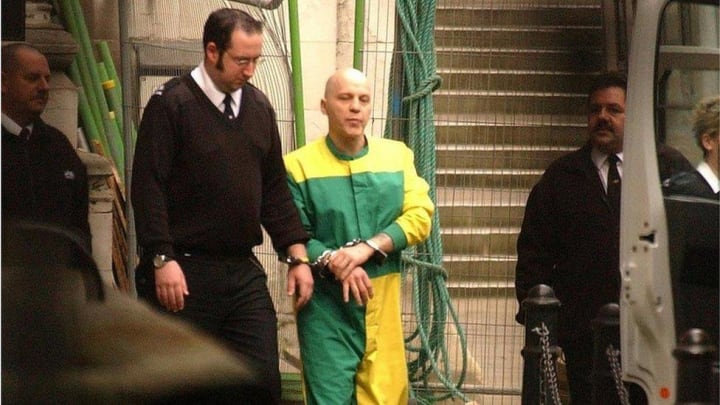
The tip-off led to the arrest of local man Michael Stone, a drug addict with a history of violent crime. He was convicted in 1998, with the case against him largely resting on a confession he allegedly made to a fellow prisoner.
However, his conviction has been the subject of persistent controversy. In 2001, his first conviction was quashed after a key witness admitted to lying. He was re-convicted at a retrial, but he has always maintained his innocence.
The lack of direct forensic evidence linking Stone to the crime scene and a later confession from notorious serial killer Levi Bellfield have cast a long shadow of doubt over the original verdict
About the Creator
Vidello Productions
My name is William Jackson, a YouTube content creator and crypto enthusiast with over 161,000 subscribers and I make videos that are focused on the billionaire lifestyle and crime.
Content consists of top list videos.
Keep reading
More stories from Vidello Productions and writers in Criminal and other communities.
Every United States Prisoner Executed 2025
47 - Marion Bowman Jr Marion Bowman Jr. was executed by lethal injection on January 31st, 2025, in South Carolina for the 2001 murder of 21-year-old Kandee Martin. This marked the first execution in the United States in 2025 and the third in South Carolina since the state resumed executions after a 13-year hiatus.
By Vidello Productions2 months ago in Criminal
The Epstein Files : Never Missed It
Introduction: The Shadow Over the Elite For decades, Jeffrey Epstein was a symbol of extreme wealth and high-society connections. He moved in elite circles, but beneath the surface lay a dark network of exploitation. The "Epstein Files" are more than just legal documents; they are a window into a world where power was used to silence the innocent. This is the story of how that world finally began to crumble.
By Abu Obaida7 days ago in Criminal
What Happens To Your Brain When You Stop Multitasking
Digital technology is the culprit that is causing us to doom scroll when tired, disengaged and unmotivated with the content that motivated you to log onto your device to consume in the first place. That is only the beginning. In the modern workplace (and even when filing cabinets were around, I confirmed this with my adopted parents to get my facts right); reading files while you are supposed to be present to the caller on the other end of the phone line is another classic example of multitasking that causes your brain (although adaptable and intelligent) to lose focus and concentration.
By Justine Crowley7 days ago in Psyche




Comments
There are no comments for this story
Be the first to respond and start the conversation.