
Why the Melania Biopic Failed: Decoding the Power Dynamic (Part.2)
To an American director, it's a political drama; to a neighbor, it's a proxy war with a familiar Balkan patriarch
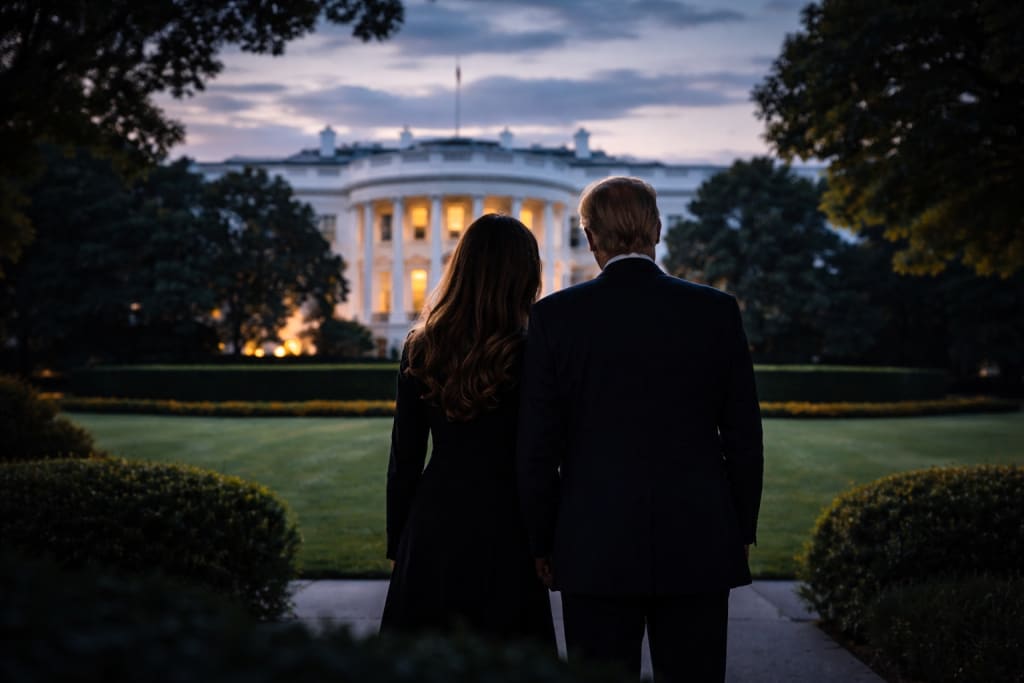
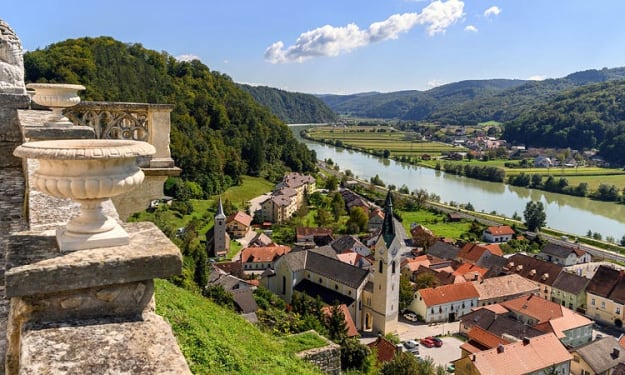
In my last piece, I talked about sharing the same "sandbox" with Melania Trump—born just thirty miles apart in the former Yugoslavia. (If you haven't read it yet, you can find Part 1: Why the Melania Movie Missed Its Mark ). I explained that her famous “Stone Face” isn't mystery or Botox; it’s a defensive reflex we call Balkan Survival Mode. But to understand why she stays in a spotlight she clearly resents, we have to go into the basement of the Balkan soul and look at the man who cast the first shadow: the Father.
The Architecture of the “Stone Face”
In the West, they think she’s “mysterious” or “calculated.” Give me a break! That’s just the Communism 101 Graduate Stare. In our youth, you didn’t just walk around grinning like an idiot. If you were too happy, you were suspicious. If you were too rich, the Party knocked on your door to ask about your health. We were raised “hard.”
We learned to “buksa” (to stash or hide away) our emotions in the basement next to the pickled cabbage. You didn’t let people into your private space because you never knew who might snitch on you. We became a people who are the warmest on earth once the kitchen door is closed, but on the street, we look like we just bit into a lemon.
Melania turned that defensive shield into a brand. That “look” of hers? It’s not Botox, my friends. It’s the reflex of a girl from Sevnica checking to see if the door is dead bolted.
The Shadow of the Father
Look at our fathers, for instance. Back in Croatia and Slovenia, we grew up with men who were often cold and verbally brutal. There wasn’t much cuddling. These men were under immense pressure, feeding families in tough conditions. They didn’t always know how to be “warm” dads. Love existed, but affection? Zero.
Many of us grew up carrying a quiet anger toward that dynamic. Melania was likely no different. In Donald, she found a familiar archetype — the “Big Boss.” She needs that security, yet she’s often triggered by the same recklessness that defined the old-school Balkan patriarchs. That’s her trigger for the cold shoulder.
The Golden Cage and the “Grč”
Americans see a tycoon. We see the classic “Big Boss” from our neck of the woods — loud, full of himself, loves gold more than oxygen. We usually make fun of guys like that back home because we value modesty, but Melania saw safety.
And I’ll tell you something most people miss: She definitely loves him more than anyone thinks. But that ‘grč’ — that Balkan muscle spasm of the past — keeps her pinned down. It’s the trauma of poverty and powerlessness that constantly reminds her to keep her guard up. When you see her swat his hand away, it’s a war between her comfort and that voice in her head asking, ‘What have I done?’ In that cold shoulder, you can also see the ghost of her father; she chose Donald because he is her familiar terrain, yet she punishes him as a proxy for the cold patriarch she could never change.
There is a visible friction there — a woman caught between the security she craved and the spotlight she never truly wanted. You can see her resentment from a mile away, and that’s why the movie failed. Audiences don’t mind a complicated protagonist, but they struggle with a reluctant one.
In the final part, I will explore the 'Protagonist's Sin'—why movies about women like Melania, Meghan Markle, and Victoria Beckham feel like a lie, and what the 'Slippers' version of her story should have looked like.
About the Creator
Feliks Karić
50+, still refusing to grow up. I write daily, record music no one listens to, and loiter on film sets. I cook & train like a pro, yet my belly remains a loyal fan. Seen a lot, learned little, just a kid with older knees and no plan.
Keep reading
More stories from Feliks Karić and writers in Critique and other communities.
Why the Melania Movie Missed Its Mark (Part.1)
I was born in 1973 in Croatia. Melania Knavs—the woman the world knows as Melania Trump—was born in 1970 in Sevnica, Slovenia. If you took a compass and drew a circle, you’d see we basically shared the same sandbox. My front door is maybe thirty miles from where she first inhaled that crisp Slovenian air.
By Feliks Karić2 days ago in Critique

Comments
There are no comments for this story
Be the first to respond and start the conversation.