
Catalyzing Energy Transition Through Plastic Pyrolysis Recycling
The potential of waste plastics to fuel oil

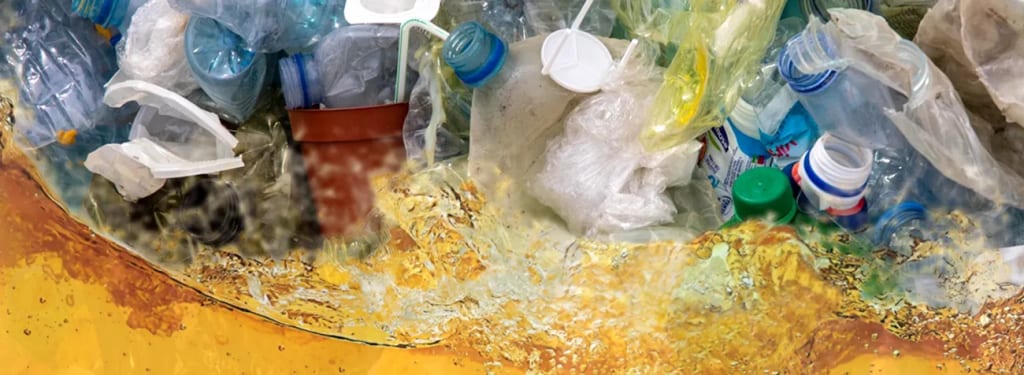
The intensifying global demand for alternative energy sources has positioned plastic pyrolysis at the forefront of the energy transformation narrative. As plastic waste accumulates at unsustainable rates, pyrolysis offers a dual-benefit solution—mitigating environmental degradation while generating hydrocarbon-rich fuels. This waste-to-energy process, particularly plastic to oil conversion, underscores a viable pathway toward a diversified and circular energy economy.
Thermochemical Conversion: An Alternative Energy Paradigm
Pyrolysis, in its operational essence, involves thermal decomposition of organic polymers in an oxygen-deficient environment. When applied to plastic waste, the process yields three core outputs: liquid oil, combustible gas, and char. Among these, plastic to oil recovery stands as the most economically and energetically significant product.
The recovered oil exhibits properties akin to conventional diesel or fuel oil, enabling direct applications in industrial furnaces, power generation, and even transportation fuel after refinement. This compatibility with existing energy infrastructure accelerates its integration without requiring disruptive overhauls.
Addressing Feedstock Abundance and Variability
The feedstock flexibility of pyrolysis systems enhances their resilience and operational efficiency. A broad spectrum of polymers—polyethylene (PE), polypropylene (PP), polystyrene (PS), and even mixed or contaminated plastics—can be processed. This adaptability is critical, as post-consumer plastic waste often lacks homogeneity.
Moreover, decentralizing pyrolysis deployment near waste generation sites reduces logistical emissions and fosters regional energy autonomy. By turning ubiquitous plastic waste into valuable liquid fuel, communities can internalize energy production, mitigating reliance on centralized fossil fuel distribution.
Bridging Waste Management and Energy Security
Plastic to oil technology disrupts traditional waste management paradigms. Instead of channeling plastics to landfills or incinerators, pyrolysis recaptures their embedded energy value. This intervention prevents long-term environmental contamination and unlocks energy resources from materials otherwise deemed valueless.
From a strategic perspective, countries with limited access to crude oil reserves can leverage this technology to reduce fuel import dependency. The resulting synthetic oil, while not a complete substitute, supplements national energy grids and reduces exposure to geopolitical volatility in fossil fuel markets.
Lifecycle Efficiency and Carbon Implications
Compared to incineration, plastic pyrolysis operates at lower emission thresholds and generates fewer secondary pollutants. While the process does release CO₂, it avoids methane emissions associated with landfilled plastics—a gas with significantly higher global warming potential.
When incorporated into a circular economic model, the net environmental benefit becomes more pronounced. The carbon embedded in plastic waste is effectively repurposed, closing the loop and supporting carbon neutrality objectives. Furthermore, innovations in catalyst design and reactor engineering are improving pyrolysis yield, energy balance, and environmental performance.
Economic Viability and Infrastructure Integration
Scalable pyrolysis units can be modularly installed and integrated into existing waste sorting and material recovery facilities. Capital and operational expenditures continue to decline with technological advancement and supply chain maturation. The byproducts—especially pyrolysis oil—possess commercial value and can be sold to offset operating costs or reinvested to expand system capacity.
The financial feasibility is further enhanced when governments enact waste reduction mandates or carbon pricing mechanisms, making conventional disposal methods more expensive relative to resource recovery. As regulatory frameworks evolve, plastic to oil plants are increasingly recognized as strategic assets within energy transition roadmaps.
Supporting Circularity in Polymer Lifecycles
Pyrolysis extends the utility of plastic materials beyond their initial use phase. Unlike mechanical recycling, which degrades polymer chains, thermal depolymerization restores them to liquid hydrocarbons, suitable for reprocessing or fuel applications. This chemical recycling pathway is particularly vital for low-quality or composite plastic waste that cannot be mechanically recycled.
By reintegrating the recovered oil into manufacturing or energy systems, plastic pyrolysis drives a closed-loop lifecycle—one that aligns material flow with sustainability imperatives.
Strategic Role in Future Energy Systems
Plastic pyrolysis is not merely a waste processing solution—it is a cornerstone of decentralized, circular energy systems. Its deployment transforms a global liability into a distributed asset, contributing to cleaner cities, reduced landfill pressure, and alternative fuel development.
As the world navigates a turbulent energy landscape, technologies that interlink environmental remediation with fuel production—like plastic to oil conversion—are indispensable in the transition to a sustainable energy future.
About the Creator
Keep reading
More stories from Wayne Shen and writers in Earth and other communities.
Microscopic Transformations in Biomass Pyrolysis
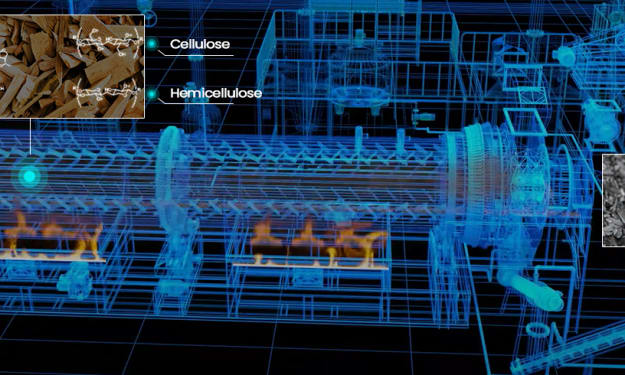
Biomass pyrolysis, a thermochemical process involving the decomposition of organic materials in the absence of oxygen, induces profound material changes on a microscopic scale. The process is essential for producing biofuels, biochar, and other valuable by-products. Understanding the microscopic transformations that occur during biomass pyrolysis is critical for optimizing the efficiency and yield of these processes. The molecular and structural alterations during pyrolysis not only influence the characteristics of the final products but also have a direct impact on the environmental footprint and economic feasibility of biomass conversion technologies.
By Wayne Shen10 months ago in Earth
Media: The Amplifier of Injustice
Media does not report reality. It selects, compresses, and amplifies fragments of it according to incentives largely unrelated to truth. What reaches the public is not an account of events; it is an engineered sequence designed to capture attention, provoke reaction, and sustain engagement.
By Meridian Vox7 days ago in Earth
Time to change your life.
Is it even possible for you to change your life? A lot of people, more than there should be, are unhappy with their lives. But what are they doing about it? Usually nothing. People talk about how shitty their lives are and want change, but are they not taking the actions to change?
By Jen Phillips6 days ago in Humans


Comments
There are no comments for this story
Be the first to respond and start the conversation.