

Climate change has emerged as one of the most pressing challenges of our time, with far-reaching implications for the planet and future generations. It is the result of human activities, primarily the burning of fossil fuels and deforestation, which release greenhouse gases into the atmosphere, trapping heat and leading to a rise in global temperatures. As the consequences of climate change become increasingly evident, it is crucial to explore effective strategies to mitigate its impacts and resolve this global crisis.
Understanding the Causes
To effectively address climate change, it is essential to comprehend its root causes. One key factor is the burning of fossil fuels for energy production and transportation. Transitioning to renewable energy sources such as solar, wind, and hydropower can significantly reduce greenhouse gas emissions. Additionally, deforestation and land-use changes contribute to climate change by reducing the Earth's capacity to absorb carbon dioxide. Protecting forests, implementing sustainable land-use practices, and restoring degraded areas can mitigate this aspect.
Mitigation Strategies
Renewable Energy Transition: Transitioning to renewable energy sources is a fundamental step in mitigating climate change. Governments and businesses should prioritize investment in clean energy infrastructure, promote research and development in renewable technologies, and provide incentives for their widespread adoption. Shifting away from fossil fuels will not only reduce greenhouse gas emissions but also create new job opportunities and promote energy independence.
Energy Efficiency: Improving energy efficiency across all sectors is another crucial mitigation strategy. This can be achieved through the adoption of energy-efficient technologies, building codes, and standards. Encouraging energy-saving practices in industries, residential buildings, and transportation systems can lead to significant reductions in energy consumption and greenhouse gas emissions.
Sustainable Agriculture and Land Use: The agriculture and land-use sectors also play a vital role in climate change mitigation. Practices such as regenerative agriculture, organic farming, and agroforestry can sequester carbon, enhance soil health, and reduce emissions from agricultural activities. Furthermore, protecting and restoring forests, wetlands, and other natural ecosystems help preserve biodiversity and mitigate climate change by acting as carbon sinks.
Circular Economy: Embracing a circular economy approach can contribute to climate change mitigation. By prioritizing recycling, reusing, and reducing waste, we can minimize resource extraction, reduce energy consumption, and limit the emission of greenhouse gases associated with production and disposal processes. Encouraging the adoption of sustainable consumption patterns and promoting product designs that prioritize durability and repairability are key steps in achieving a circular economy.
Adaptation and Resilience
While mitigation efforts are crucial, we must also focus on adaptation strategies to prepare for the inevitable consequences of climate change. Building resilient infrastructure, implementing early warning systems, and improving disaster response mechanisms can minimize the impacts of extreme weather events such as floods, droughts, and storms. Additionally, investing in climate-resilient agriculture and water management systems can ensure food and water security in the face of changing climatic conditions.
International Cooperation
Climate change is a global issue that requires international cooperation and collective action. Nations must come together to strengthen the commitments made under the Paris Agreement and set more ambitious targets for emissions reduction. Developing countries need financial and technological support to adopt cleaner technologies and build resilience to climate change. Collaboration between governments, businesses, and civil society is essential for sharing knowledge, resources, and best practices.
Education and Awareness
Raising awareness and promoting education about climate change are vital in mobilizing individuals, communities, and governments to take action. Education programs should focus on the science behind climate change, its impacts, and the importance of sustainable practices. Empowering individuals to make informed decisions about their consumption patterns, energy use, and transportation choices can drive significant change.
Conclusion
Resolving the climate change crisis requires a multi-faceted approach that combines mitigation, adaptation, international cooperation, and education. Transitioning to renewable energy, improving energy efficiency, adopting sustainable land-use practices, and embracing a circular economy are essential steps toward reducing greenhouse gas emissions. Additionally, building climate resilience, enhancing international cooperation, and promoting education and awareness will contribute to a sustainable future for generations to come. By taking decisive action now, we can mitigate the worst impacts of climate change and create a more sustainable and resilient world.
About the Creator
Keep reading
More stories from Victor remy and writers in Earth and other communities.
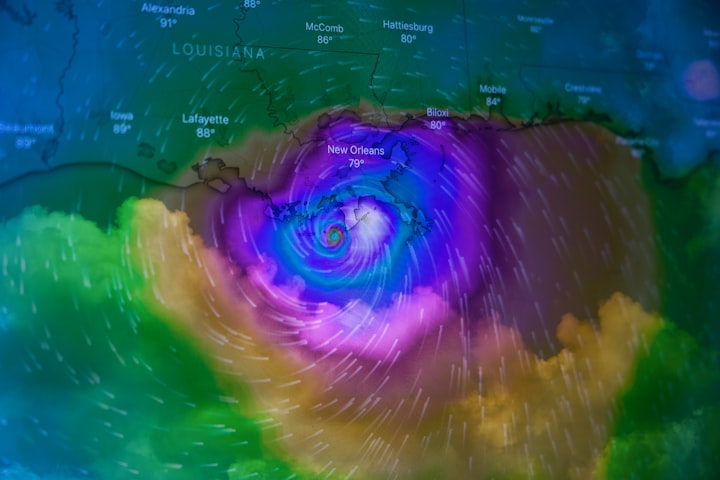
National Hurricane center
Once upon a time, nestled in a bustling city, stood the National Hurricane Center (NHC). It was a place of both excitement and trepidation, as dedicated meteorologists and scientists worked tirelessly to track and understand the powerful forces of nature. This renowned institution played a vital role in safeguarding coastal communities and providing crucial information during the stormy seasons.
By Victor remy3 years ago in Earth
Fraudster DJ Carey Moved to Same Prison Landing as Kinahan Gangsters
Reports that former sports figure DJ Carey, convicted in a fraud case, has been moved to the same prison landing as inmates linked to the Kinahan organized crime network have sparked public discussion about prison safety, inmate classification, and correctional system procedures.
By Aarif Lashari6 days ago in Earth
Frozen Horizons: Inside the 2026 Winter Olympics and the Future of Winter Sport
In the winter of 2026, the world will turn its attention to northern Italy, where snow, stone, and centuries of history will converge under the Olympic rings. The 2026 Winter Olympics, officially known as Milano–Cortina 2026, promise something quietly radical. Not louder stadiums or flashier ceremonies, but a rethinking of what a global sporting event can look like in a fragile era.
By Story Prism3 days ago in Earth



Comments
There are no comments for this story
Be the first to respond and start the conversation.