
Handful of Sick and Wounded Palestinians Allowed Through Rafah Crossing on First Day
Limited reopening raises humanitarian hopes amid ongoing regional tensions
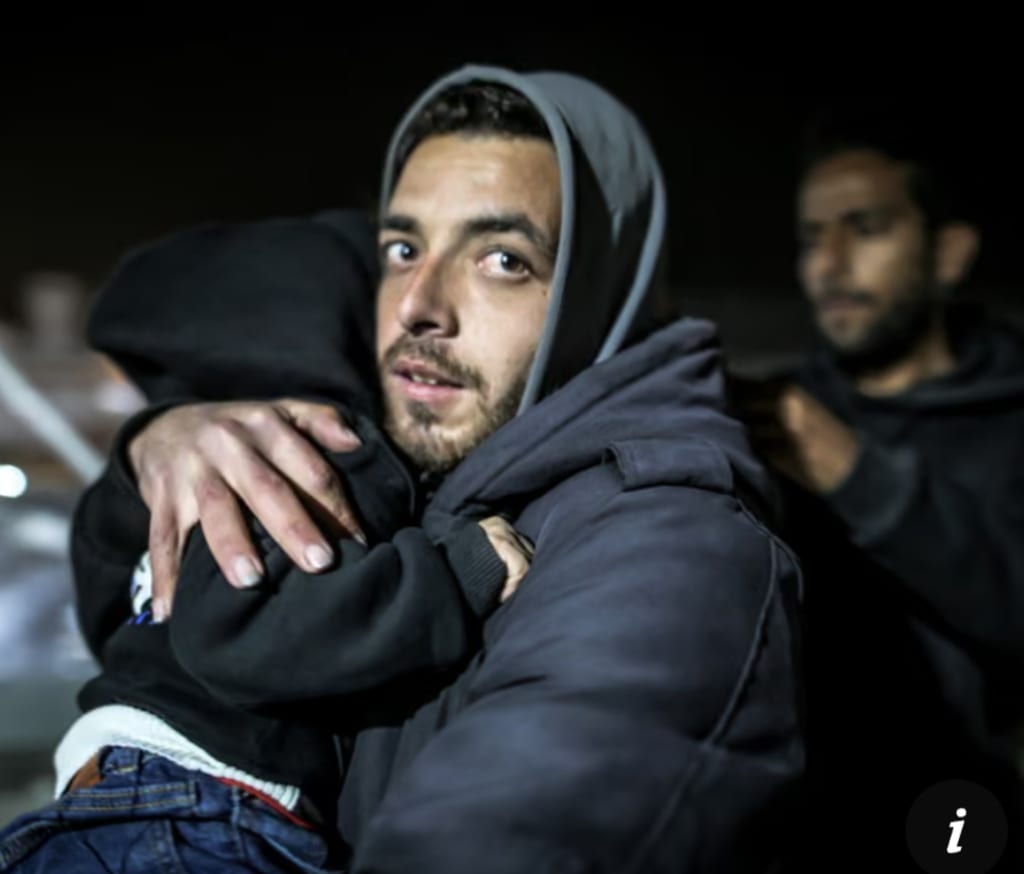
The partial reopening of the Rafah border crossing has allowed a small number of sick and wounded Palestinians to leave Gaza for medical treatment, marking a significant yet limited humanitarian development. While only a handful of individuals were permitted to cross on the first day, the move has sparked cautious optimism among humanitarian organizations, families awaiting medical care, and international observers.
The Rafah crossing, which connects Gaza to Egypt, has long been a crucial lifeline for humanitarian aid, medical evacuations, and limited civilian movement. Its reopening, even on a restricted basis, highlights the urgent medical and humanitarian needs inside Gaza.
Why the Rafah Crossing Matters
The Rafah crossing is one of the few routes through which Palestinians in Gaza can travel abroad, particularly for medical treatment unavailable locally. Unlike other crossings, Rafah connects Gaza directly to Egypt rather than Israel, making it especially important for humanitarian access.
The crossing plays a key role in:
Allowing critically ill patients to access hospitals abroad
Facilitating humanitarian aid delivery
Enabling limited movement for civilians in emergency cases
Supporting international medical and relief coordination
For many families, the crossing represents hope for life-saving treatment that cannot be accessed inside Gaza due to damaged infrastructure or limited medical resources.
The First Day: A Small but Symbolic Step
Reports indicate that only a limited number of patients were allowed through on the first day of reopening. Most of those permitted to cross were severely injured or suffering from life-threatening medical conditions requiring urgent treatment.
Medical evacuation priorities often focus on:
Trauma injuries
Cancer patients requiring specialized treatment
Children needing advanced surgical care
Patients requiring unavailable medical equipment or medications
While the numbers remain small, humanitarian groups emphasize that even limited movement can save lives.
Humanitarian Challenges Inside Gaza
Healthcare systems in conflict zones often face immense strain. Hospitals may struggle with:
Shortages of medical supplies
Limited electricity and fuel
Overcrowded emergency wards
Lack of specialized medical equipment
Medical staff often work under extreme pressure, treating large numbers of patients with limited resources. For critically ill patients, crossing into another country can be the difference between life and death.
International Humanitarian Response
International organizations have welcomed the partial reopening but continue to call for expanded access. Aid groups stress that medical evacuations should be based solely on humanitarian need.
Many organizations focus on:
Coordinating patient evacuation lists
Providing medical transport support
Supplying medicines and equipment
Monitoring humanitarian conditions
Global attention often increases pressure for broader humanitarian access in crisis zones.
Political and Security Considerations
Border crossings in conflict areas are often influenced by political and security concerns. Governments must balance humanitarian access with security priorities, which can lead to restricted movement.
Key considerations often include:
Security screening procedures
Diplomatic negotiations
Regional stability concerns
International diplomatic pressure
These factors can slow or limit humanitarian access, even when medical needs are urgent.
Impact on Families and Communities
For families waiting for permission to cross, the process can be emotionally exhausting. Many families face uncertainty about whether their loved ones will receive medical treatment in time.
Crossing approvals often determine:
Access to life-saving treatment
Family reunification opportunities
Long-term survival outcomes
Psychological stress for relatives
Humanitarian workers note that medical evacuations are not just logistical operations but deeply human stories involving survival, hope, and resilience.
The Broader Humanitarian Picture
The partial reopening highlights broader humanitarian needs across Gaza. In addition to medical care, civilians face challenges related to:
Access to clean water
Food security
Shelter and infrastructure damage
Education disruptions
Humanitarian agencies continue to call for consistent aid delivery and expanded access to support civilian populations.
What Happens Next
Observers say the coming days will be critical in determining whether crossing access expands. Future developments may depend on:
Diplomatic negotiations
Security conditions on the ground
International mediation efforts
Humanitarian pressure from global organizations
Many hope the first day represents the beginning of sustained humanitarian access rather than a temporary measure.
Why This Matters Globally
Humanitarian access during conflicts is closely watched worldwide. The Rafah crossing represents broader questions about:
Civilian protection during conflict
International humanitarian law
Global responsibility toward crisis-affected populations
The balance between security and humanitarian needs
Decisions made around crossings like Rafah often set precedents for humanitarian operations in other conflict zones.
Conclusion
The limited reopening of the Rafah crossing, allowing a handful of sick and wounded Palestinians to leave Gaza for treatment, represents a small but meaningful humanitarian step. While the number of patients allowed through remains limited, the move offers hope to families and medical professionals working under extreme conditions.
The situation highlights the urgent need for sustained humanitarian access, medical support, and international cooperation. For those awaiting treatment, every crossing approval represents more than policy—it represents survival, relief, and the possibility of recovery.
As negotiations and humanitarian efforts continue, the world will be watching closely to see whether access expands, ensuring that more lives can be saved in the days and weeks ahead.
About the Creator
Keep reading
More stories from Aarif Lashari and writers in Earth and other communities.
Dead and Wearing Green: Unpacking the Cultural and Environmental Meaning
The phrase “Dead and Wearing Green” immediately conjures images of mystery, symbolism, and questions about life, death, and environmental consciousness. While at first it may sound like a simple, perhaps eerie statement, it is layered with cultural, ecological, and metaphorical significance that resonates across literature, environmental discourse, and contemporary social commentary.
By Aarif Lashariabout 12 hours ago in Earth




Comments
There are no comments for this story
Be the first to respond and start the conversation.