
India-Pakistan Crisis: Ceasefire Begins, But Kashmir Blast Threatens Fragile Calm
A tentative 72-hour ceasefire between India and Pakistan officially took effect at midnight, marking the first pause in hostilities since tensions erupted earlier this month. However, just hours into the agreement, a deadly bomb blast in Srinagar has raised fears that militant elements may attempt to sabotage emerging peace efforts.
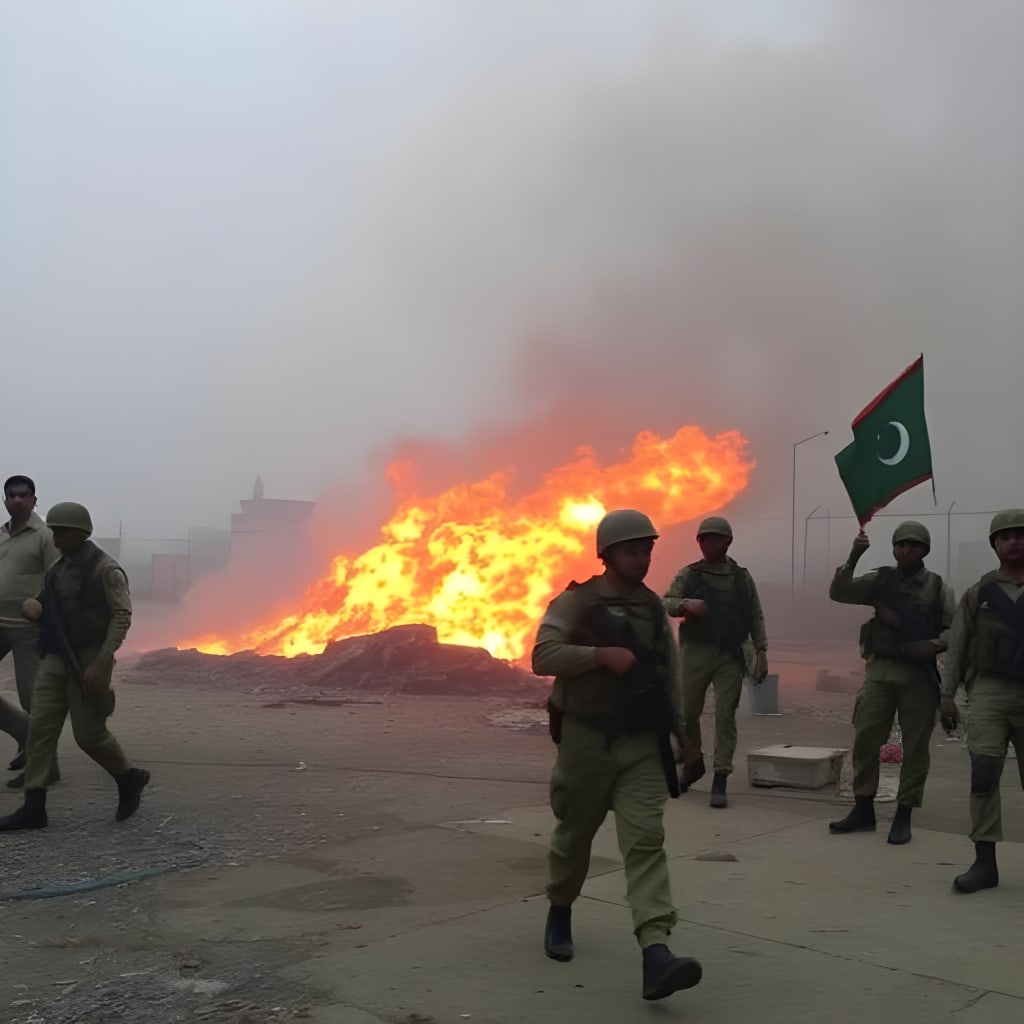
India-Pakistan Crisis: Ceasefire Begins, But Kashmir Blast Threatens Fragile Calm
Date: May 16, 2025
By: [India-Pakistan]
Location: Srinagar / Islamabad / Abu Dhabi
A tentative 72-hour ceasefire between India and Pakistan officially took effect at midnight, marking the first pause in hostilities since tensions erupted earlier this month. However, just hours into the agreement, a deadly bomb blast in Srinagar has raised fears that militant elements may attempt to sabotage emerging peace efforts.
Ceasefire Takes Effect—Cautious Optimism on Both Sides
Indian and Pakistani militaries confirmed that, as of 12:00 AM (IST), artillery and small-arms fire had stopped along the Line of Control (LoC) across all active sectors, including Poonch, Kupwara, and Neelum Valley.
An Indian Army spokesperson called the ceasefire a “positive first step,” while Pakistan’s military issued a statement saying it “remains committed to regional peace provided reciprocal sincerity is maintained.”
The ceasefire follows two days of secret UAE-brokered talks between intelligence representatives of both countries. Diplomatic sources say both sides have agreed to:
Avoid offensive posturing near the LoC for 72 hours.
Use direct military hotlines to resolve local incidents.
Allow humanitarian access to border villages.
Discuss a potential extension of the ceasefire during this period.
This is the first such truce since the 2021 agreement, which had collapsed amid repeated violations and renewed tensions over Kashmir.
Srinagar Bombing Kills 8, Injures 17
Hours after the ceasefire began, a powerful IED explosion rocked a busy market area in downtown Srinagar, killing at least eight people and injuring 17 others, including two police officers.
Jammu and Kashmir police believe the attack was carried out by a local cell with links to a banned Pakistan-based militant group. No organization has claimed responsibility yet, but intelligence sources suspect the involvement of The Resistance Front (TRF)—a group India considers a proxy for Lashkar-e-Taiba.
Indian Home Minister Amit Shah condemned the attack, tweeting:
“Terrorists and their backers will not succeed in disrupting peace. Those responsible will face decisive action.”
The blast has already triggered political tensions in New Delhi. Opposition leaders are questioning whether ceasefire talks can proceed when cross-border terrorism remains unresolved.
Pakistan’s Foreign Office, meanwhile, issued a sharp rebuttal to the Indian allegations, stating:
“Pakistan condemns terrorism in all forms. We reject any insinuations linking Pakistan to the attack. Such claims are unhelpful and premature.”
UAE and US Appeal for Restraint
The United Arab Emirates and the United States, key backers of the recent diplomatic push, have appealed for “strategic patience.” UAE Foreign Minister Sheikh Abdullah bin Zayed urged both sides to remain committed to the truce despite “provocations by third-party actors.”
The US State Department released a statement warning of potential “spoilers” who benefit from instability in South Asia and encouraged both nations to “stay the course toward peace.”
China and Russia also expressed concern over the blast but emphasized the need for continued dialogue. The United Nations Secretary-General António Guterres called the attack “a tragic reminder of why the ceasefire must be strengthened through formal negotiations.”
Civilian Relief Begins Amid Fragile Calm
Despite the bombing in Srinagar, the ceasefire has brought immediate relief to thousands of civilians living near the LoC. Local authorities in India’s Rajouri and Pakistan’s Haveli districts have begun relocating residents back to their homes. Schools are reopening in some sectors, and humanitarian convoys are delivering food, medicine, and blankets.
The Indian Red Cross has deployed mobile medical units in border areas, while Pakistan’s National Disaster Management Authority (NDMA) is distributing clean water and hygiene kits in affected regions of Azad Jammu and Kashmir.
Many residents remain skeptical. “We’ve seen ceasefires come and go,” said Farooq Ahmed, a shopkeeper in Uri. “Until the politicians solve the bigger issue, we live in fear.”
Next Steps: Ceasefire Extension Talks and Peace Roadmap
According to sources familiar with the UAE talks, India and Pakistan are expected to review the ceasefire status after 48 hours. If successful, both sides may agree to:
Extend the ceasefire by one week.
Resume formal diplomatic talks at the National Security Adviser level.
Launch a South Asian Peace Dialogue supported by international observers.
India is reportedly open to future discussions provided Pakistan makes progress on curbing cross-border terrorism. Pakistan, in turn, wants regional issues—especially Kashmir—to be included in any comprehensive dialogue.
International observers, including Norway and Switzerland, are being considered to serve as neutral facilitators for the next round of talks.
⚠️ Terror Threats Loom, But Diplomacy Holds—for Now
While the ceasefire is a major diplomatic achievement after weeks of intense hostility, the Srinagar blast is a chilling reminder of the fragility of peace in the subcontinent. The coming days will test whether both India and Pakistan can resist domestic pressure, manage extremist threats, and stay committed to dialogue over destruction.
About the Creator
Sumon Ahmed
Writer, dreamer, and curious thinker. I explore life through stories—travel, culture, personal growth, and more. Sharing insights, inspiration, and the beauty of everyday moments one word at a time.
Keep reading
More stories from Sumon Ahmed and writers in Earth and other communities.
Disappeared Bodies, Mass Burials and ‘30,000 Dead’
For years, reports emerging from Iran have painted a grim and often confusing picture of death tolls tied to political unrest, state violence, pandemics, and human rights abuses. Allegations of disappeared bodies, mass burials, and claims of “30,000 dead” have circulated widely among activists, exiled communities, and international media. Yet, inside Iran, official figures often tell a very different story.
By Aarif Lashari6 days ago in Earth
Tributes Pour In for Beloved Actress Catherine O’Hara
Tributes are pouring in from fans, fellow actors, and filmmakers celebrating the career and influence of Catherine O’Hara, one of the most beloved figures in film and television comedy. Known for her unforgettable roles, sharp wit, and emotional range, O’Hara has built a legacy that spans decades and generations of audiences.
By Aarif Lashari2 days ago in Earth


Comments (5)
You’re glowing with purpose!
You’re such an inspiration
So proud of you!
good
Pakistan Pakistan!!