

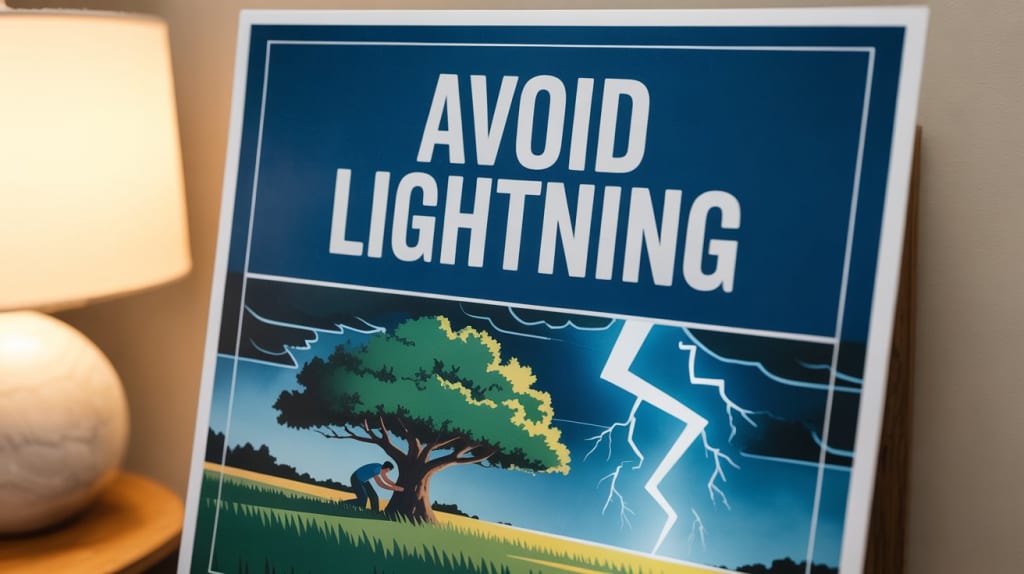
Be Lightning Safe: Follow These 20 Crucial Instructions from Bangladesh Fire Service and Civil Defense
In recent years, Bangladesh has witnessed an alarming rise in lightning-related fatalities and injuries, particularly during the pre-monsoon and monsoon months. In light of this, the Bangladesh Fire Service and Civil Defense Department has issued 20 life-saving emergency instructions to help the public stay safe during thunderstorms. These guidelines are essential for everyone—urban and rural residents, farmers, workers, students, and families alike.
Let us explore these instructions in detail and understand why each one is important.
1. Avoid Contact with Metal Objects
During lightning, metal conducts electricity. Touching metal pipes, stair railings, or even metallic plumbing can make you a direct path for electric current. Stay away from all metallic objects inside and outside your home during storms.
2. Install Lightning Rods
Lightning rods are a simple yet effective tool for protecting buildings. They intercept lightning strikes and safely conduct the energy into the ground. Every building, especially tall or isolated ones, should be equipped with a rod system.
3. Spread Out in Open Fields
When lightning occurs and you're in an open field, gathering together is dangerous. A single strike can affect everyone in close proximity. Moving 50 to 100 feet apart reduces the chance of multiple injuries from a single strike.
4. Stay in Separate Rooms
If your house doesn't have proper lightning protection, avoid clustering in one room. The electrical surge can travel through wiring and plumbing. By staying in different rooms, you reduce the risk of multiple injuries.
5. Avoid Taking Shelter Under Trees
A tall tree is a natural lightning magnet. Standing underneath it increases the risk of being struck. If there's no other option, maintain a distance of at least four meters from the tree trunk to reduce risk.
6. Stay Away from Torn or Downed Wires
Torn or downed electrical wires may still carry live current. Keep a safe distance and report them to authorities. Avoid walking or driving over them under any circumstances.
7. Disconnect Electrical Devices
During lightning storms, power surges can damage electrical appliances or start fires. Unplug devices like TVs, computers, and kitchen appliances to protect both your equipment and your home.
8. Treat Lightning Victims like Electric Shock Victims
Lightning victims do not carry electrical charge and can be handled safely. Immediate CPR and medical attention can save lives. Like electric shock victims, they need urgent care to revive breathing and heartbeat.
9. Be Extra Cautious in April-June
Statistically, lightning strikes peak between April and June in Bangladesh. If thunderclouds gather during these months, seek shelter indoors without delay. Awareness of seasonal risk can make a big difference.
10. Take Shelter under Concrete Canopies
If you're caught outside, the best shelter is under a concrete roof or a well-built structure. Avoid tin sheds or temporary shelters, as they offer little protection and may even attract lightning.
11. Avoid Windows and Electrical Appliances
Lightning can enter homes through electrical lines, plumbing, or open windows. Stay away from windows, balconies, and devices like landline phones and televisions during a thunderstorm to minimize risk.
12. Wear Rubber Shoes if You Must Go Out
Rubber-soled shoes offer limited protection by acting as insulators. While not foolproof, they can help reduce the risk if you must venture out during a storm. Thick rubber soles are preferable.
13. Stay Away from Tall Structures
Lightning seeks the tallest path to the ground. Avoid tall trees, electric poles, antennas, and mobile towers. Keep your distance, especially in open areas.
14. Use Umbrellas with Non-Metal Handles
A regular umbrella with a metallic handle can attract lightning. If you must use one, ensure the handle is wooden or plastic. Avoid raising any pointed object toward the sky during a storm.
15. Avoid Open and Elevated Areas
Avoid open fields, rooftops, and hills during thunderstorms. Elevated areas are more likely to be struck. Seek lower ground and stay low until the storm passes.
16. Stay Away from Water Bodies
Water conducts electricity very well. Rivers, lakes, ponds, and swimming pools become dangerous during lightning storms. Leave the area immediately if dark clouds form overhead.
17. Don’t Let Children Play Outdoors
Children often play in open areas without understanding the danger. During a thunderstorm, strictly prevent outdoor play. Teach children about lightning safety and monitor them during the rainy season.
18. Take the Proper Position in Open Fields
If you’re caught in the open with no shelter, the safest position is to crouch down, keep your feet together, put your head down, and cover your ears with your hands. This reduces the chances of being struck or seriously injured.
19. Stay Inside a Car but Avoid Contact with Metal
Modern cars act as a Faraday cage, directing the electric charge around you. However, avoid touching metal parts inside the car. If possible, drive to a sturdy structure and wait out the storm.
20. Stop Fishing and Take Cover
Boats on water are extremely vulnerable. Stop fishing immediately and avoid handling fishing rods, which may be conductive. If possible, go to a sheltered spot or crouch in the boat with minimal contact.
Share and Educate Others
Lightning is one of the most underestimated natural killers. Many tragedies could be prevented with proper awareness and timely action. Share this information with your family, friends, and community. Schools, workplaces, and local organizations should include lightning safety in their emergency preparedness programs.
Understanding and following these 20 emergency instructions can dramatically reduce the risks posed by lightning. They are not just suggestions—they are essential safety measures for surviving nature's fury.
Remember: During lightning, your first priority should always be safety. No work or activity is worth your life. Take shelter, stay informed, and be vigilant.
Let’s all spread awareness and help protect lives. Be alert. Be prepared. Be safe.
About the Creator
Mr Rifat Ahmed
Hi I am MD Rifat Ahmed. My Special Hobby is Writing. That's Why I am Here
Keep reading
More stories from Mr Rifat Ahmed and writers in Earth and other communities.
How Tornadoes Reflect Nature’s Power and Our Preparedness
Tornadoes are among the most dramatic and dangerous natural events on Earth. These powerful rotating columns of air can destroy buildings, flip cars, and uproot trees in a matter of seconds. But beyond the physical destruction, tornadoes also reflect something deeper: the immense power of nature and how human beings prepare, respond, and adapt in the face of that power.
By Mr Rifat Ahmed9 months ago in Earth
Meteorologists Warn February Could Open With an Arctic Collapse Driven by Extreme Atmospheric Anomalies
Meteorologists are warning that February could begin with an “Arctic collapse”, a dramatic breakdown in polar atmospheric patterns driven by extreme anomalies high above the Earth’s surface. Forecast models are increasingly signaling the risk of a major disruption to the Arctic’s circulation system—one that could allow frigid polar air to spill far southward, triggering severe winter weather, sudden cold snaps, and heightened climate volatility across North America, Europe, and parts of Asia.
By Salaar Jamalia day ago in Earth
Met Office Names All the UK Areas Facing Snow This Weekend
The Met Office has issued fresh forecasts warning that snow is set to affect large parts of the UK this weekend, with wintry conditions expected to develop from Saturday and persist into Sunday. As colder air moves south and meets bands of moisture, forecasters say a mix of snow, sleet, and freezing rain could disrupt travel and daily life across multiple regions.
By Aarif Lashari3 days ago in Earth



Comments (3)
Be Lightning Safe.
lightning is scary!
Wowww