
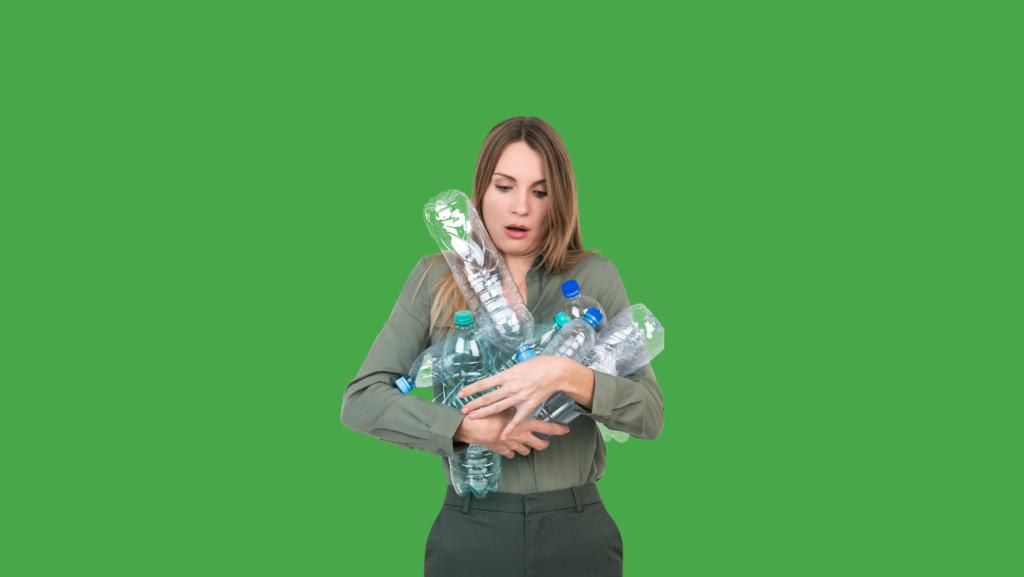
Introduction:
Plastic pollution has become a global concern, with staggering amounts of plastic waste accumulating in landfills and oceans. As plastic fragments into smaller particles, known as microplastics and nanoplastics, it infiltrates various ecosystems, including our bodies. This article aims to explore how plastic enters our bodies, quantify the amount of plastic we consume, and examine its potential health implications.
Pathways of Plastic Ingestion:
Plastic finds its way into our bodies through different pathways, starting with the food we consume. Microplastics present in the oceans can be ingested by seafood, subsequently entering our digestive systems when we eat these contaminated marine organisms. Additionally, microplastics can penetrate the cells of fruits and vegetables, such as carrots, lettuce, and apples. Surprisingly, an average apple can contain around 200,000 plastic particles per gram.
Drinking water is another source of plastic ingestion. Research indicates that individuals who primarily consume tap water ingest approximately 4,000 plastic particles annually, while those relying solely on bottled water ingest around 90,000 particles. Plastic water bottles, particularly when exposed to high temperatures or stored for extended periods, release chemicals called phthalates into the water. Furthermore, microplastics have been found in certain beer brands, though the exact source remains unknown.
The Ubiquitous Nature of Plastic:
Despite conscious efforts to reduce plastic consumption, complete avoidance is nearly impossible. One pervasive source of plastic exposure is the atmosphere. In a study conducted in the Austrian Alps, researchers discovered that nanoplastics, including polyethylene and polypropylene, were present in snow samples. Surprisingly, while some particles originated from nearby populated areas, around 30% came from cities located over a hundred miles away, and 10% even originated from more than a thousand miles away, including particles from the surface of the Atlantic Ocean.
The Implications of Plastic Inhalation:
The tiny size of nanoplastics allows them to travel long distances through the air, making inhalation a significant route of exposure. The smaller the particles, the higher the risk of inhalation. Microplastics smaller than one micrometer in diameter can penetrate deep into the lungs, posing potential health concerns.
Quantifying Plastic Consumption:
A 2019 study from the University of Newcastle, Australia, estimated the number of microplastic particles consumed from common foods and beverages, including drinking water, shellfish, beer, and salt. Drinking water was found to be the largest source, with an average person ingesting approximately 1,769 microplastic particles from water every week. Shellfish contributed an additional 182 particles, while beer and salt added 10 and 11 particles, respectively. In total, this amounts to nearly 2,000 microscopic pieces of plastic, weighing approximately 5 grams, which is equivalent to a plastic bottle cap.
Cumulative Impact Over Time:
While individual consumption may not seem significant, the accumulation of plastic particles over time can be concerning. Assuming no changes in dietary habits, an average person could consume 8,000 particles or 20 grams of plastic in a month, equivalent to a 4x2 LEGO brick. In a year, this could increase to nearly 100,000 particles or 250 grams, about the weight of a dinner plate filled with shredded plastic. Over a decade, the cumulative intake could reach 2.5 kilograms, equivalent to a standard life buoy. However, it's essential to note that plastic enters and leaves our bodies continuously, and these estimates represent accumulated consumption.
Health Implications and the Need for Further Research:
While the impact of plastic on human health is not yet fully understood, it is evident that other animals, such as seabirds and whales, suffer more severe consequences from plastic ingestion. For humans, the potential health risks include exposure to chemicals and additives found in plastic, which may contribute to conditions such as diabetes, sexual dysfunction, and infertility. Moreover, plastic particles can disrupt cellular activity. However, comprehensive research on the toxicity of microplastics to the human body is still lacking.
Conclusion:
Plastic pollution poses a significant environmental and health challenge globally. Efforts to combat plastic pollution have resulted in bans and restrictions on single-use plastics in many countries. However, addressing the issue of microplastics and nanoplastics remains complex. Solutions require further research and careful consideration of alternative materials to avoid unintended consequences. While complete protection from plastic exposure may be unattainable, continued efforts to reduce plastic consumption and implement sustainable practices are crucial in mitigating its impact on our bodies and the environment.
About the Creator
Super Intelligent Aliens
For centuries, humanity has gazed at the night sky with a mixture of wonder and curiosity. The question of whether we are alone in the universe has fascinated philosophers, scientists, and storytellers alike. With recent advancements in astronomy, artificial intelligence, and space exploration, the possibility of extraterrestrial life no longer belongs solely to science fiction. Among the many hypotheses about alien life, one of the most unsettling is the existence of super intelligent aliens—beings whose intellectual, technological, and strategic capabilities far surpass those of humans. While the idea may seem speculative, the potential threat posed by such entities raises serious concerns about human survival, autonomy, and the future of civilization.
By Ibrahim Shah 3 days ago in Earth




Comments
There are no comments for this story
Be the first to respond and start the conversation.