
Protesters Bid to Save the ‘Heart’ of Margate
Community campaigns fight to protect historic spaces and local culture
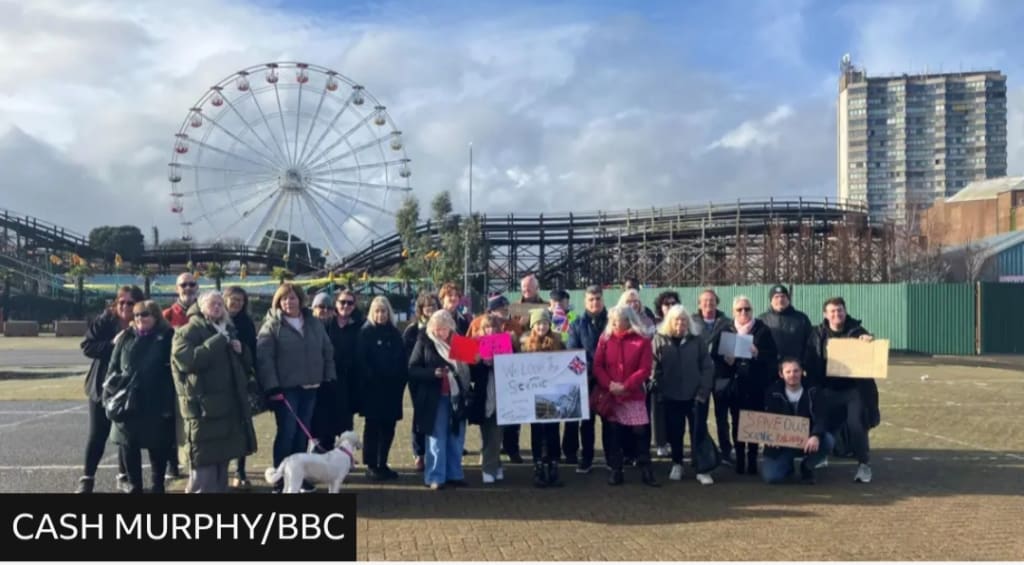
Residents and activists in Margate have launched a passionate campaign to save what they describe as the town’s “heart” — a historic public space facing redevelopment. The dispute has ignited local debate over preserving heritage, supporting small businesses, and maintaining the cultural identity of one of England’s most iconic seaside towns.
The protest reflects broader tensions between urban development, economic interests, and community heritage preservation in towns across the UK.
The Space at the Centre of the Debate
The area at the centre of the protest is widely regarded as a historic and cultural hub of Margate. Home to small businesses, local markets, and public gathering spaces, the site has long been a focal point for community events.
Key features of the space include:
Iconic architecture dating back several decades
Cafés, independent shops, and artisan stalls
Public seating and performance areas
Community art installations
Local residents describe the space as essential to Margate’s identity, arguing that redevelopment could erase the town’s character and alienate long-standing businesses.
The Proposed Redevelopment
Developers have proposed a project aimed at modernising the area, including new commercial properties, housing units, and private leisure facilities. While supporters of redevelopment argue that it will boost the local economy and create jobs, opponents warn of the cultural costs.
Critics of the redevelopment highlight concerns such as:
Loss of independent businesses in favour of corporate chains
Destruction of historic buildings and public spaces
Reduction in affordable public access areas
Impact on tourism that values Margate’s unique charm
The tension reflects a common conflict in coastal towns balancing economic regeneration with heritage preservation.
Community Mobilisation and Protest Action
Local residents, business owners, and activists have mobilised to defend the space. Protest activities include:
Peaceful rallies and marches
Petition drives to local councils
Social media campaigns highlighting the cultural significance of the site
Engagement with local media to raise awareness
Community leaders stress that the protest is not anti-development, but about ensuring that progress respects local identity and public access.
Why This Space Matters to Margate Residents
For many locals, the area represents more than just land — it’s a social and cultural anchor. Generations of families have gathered there, attending markets, festivals, and performances. Losing the space would not just change the physical landscape, but also disrupt social connections.
Residents cite:
Emotional attachment to community spaces
Importance of supporting small and independent businesses
Cultural significance for local arts and events
Role in attracting tourism while maintaining local character
These factors underscore the human dimension of urban planning decisions, beyond mere economic calculations.
The Role of Local Government
The Margate council is caught between facilitating development and addressing community concerns. Officials have stressed the importance of both economic regeneration and preserving heritage, though critics argue that development interests are taking precedence.
Local government responsibilities in such cases include:
Conducting public consultations
Assessing the cultural and historical value of affected sites
Balancing economic development with community needs
Ensuring transparency in planning decisions
How the council navigates these responsibilities could set a precedent for other towns facing similar conflicts.
Economic Arguments for Redevelopment
Supporters of the redevelopment argue that it will inject new life into Margate’s economy, attract investment, and create employment opportunities. Coastal towns often face economic challenges, including seasonal tourism reliance, declining high street activity, and underinvestment.
Potential benefits cited include:
Job creation in construction, retail, and leisure sectors
Increased property values and business revenue
Modernised infrastructure for residents and visitors
Long-term urban renewal to boost competitiveness
Proponents argue that redevelopment can coexist with cultural preservation if carefully planned.
Finding a Middle Ground
Some urban planners and community advocates suggest compromise solutions that balance development with heritage preservation. Ideas include:
Integrating historic buildings into new designs
Maintaining public access and green spaces
Supporting local businesses within redevelopment projects
Creating cultural hubs or art spaces within new constructions
Such approaches aim to preserve what residents value most while allowing for economic growth.
Broader Implications for Coastal Towns
The debate in Margate mirrors similar disputes in coastal towns across the UK, where regeneration projects often clash with heritage concerns. Lessons from this and other cases may influence planning policies and community engagement in the future.
Key considerations for coastal towns include:
Respecting local identity while modernising facilities
Prioritising sustainable economic development
Engaging communities early in planning processes
Preserving affordable public and cultural spaces
Margate’s experience could serve as a case study for balancing development and preservation nationally.
Conclusion
The battle to save the “heart” of Margate highlights the ongoing tension between urban development, economic pressures, and cultural preservation. For residents, the space is more than just land — it’s a community hub, a source of identity, and a site for social connection.
As protests continue and local councils deliberate, the outcome will shape not only the physical landscape of Margate but also its social and cultural fabric. Communities, developers, and policymakers must work together to find solutions that respect both the past and the future, ensuring that progress does not come at the expense of what makes Margate truly unique.
About the Creator
Keep reading
More stories from Aarif Lashari and writers in Earth and other communities.
Polar Vortex Collapse Forecast: What It Means and Why It Matters
Meteorologists and climate scientists are closely monitoring forecasts suggesting a possible polar vortex collapse, a rare but significant atmospheric event that can trigger severe winter weather across large parts of the Northern Hemisphere. While the term may sound dramatic, understanding what a polar vortex collapse actually means — and why it matters — is crucial for preparing for potential impacts on daily life, infrastructure, and economies.
By Aarif Lashariabout 9 hours ago in Earth
How Do Ants Recognize One Another?
Ants are among the most organized and disciplined creatures on Earth. Despite their tiny size, they live in highly structured communities where recognition, cooperation, and division of labor play a vital role. One of the most fascinating aspects of their life is how ants recognize members of their own colony and immediately identify strangers or enemies.
By Sudais Zakwanabout 5 hours ago in Earth



Comments
There are no comments for this story
Be the first to respond and start the conversation.