
Understanding Vortex Flow Control: A Smart Solution for Sustainable Urban Drainage Systems
Vortex Flow Control
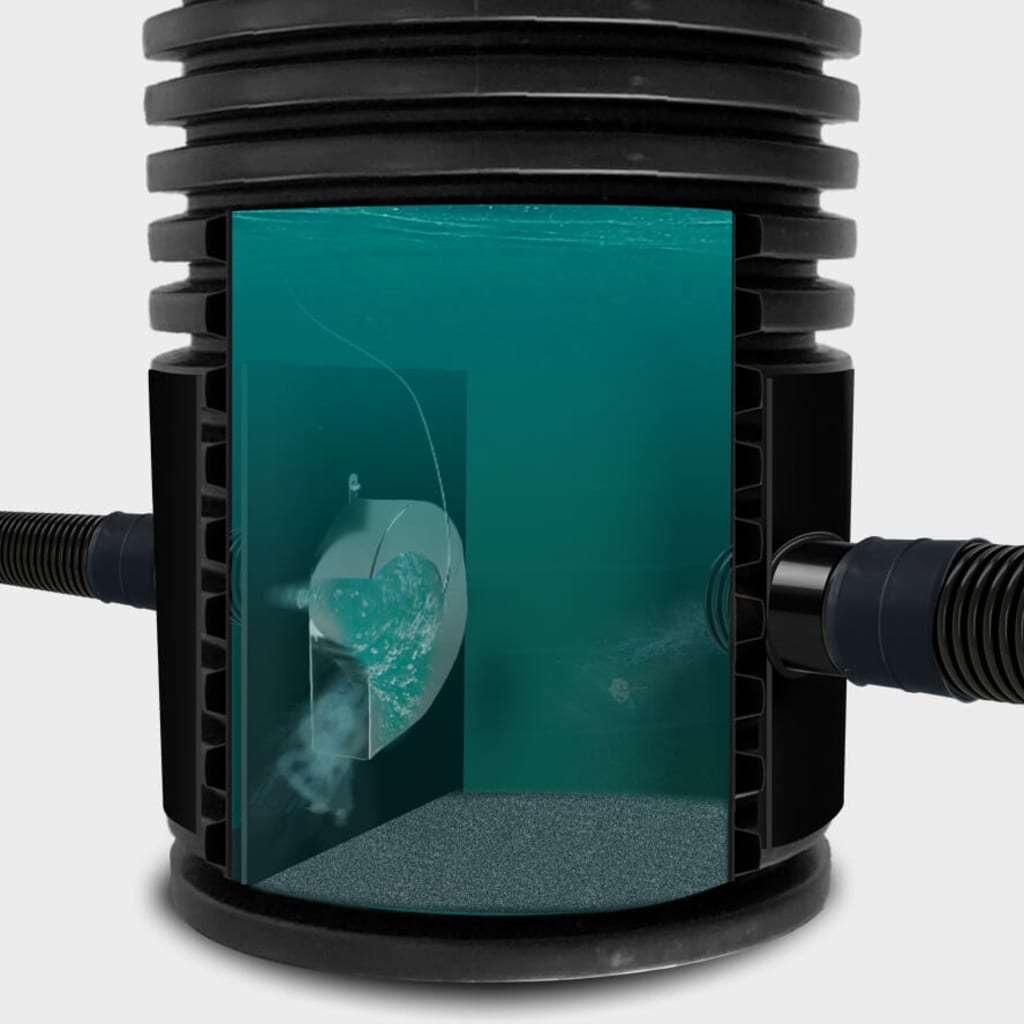
Urbanization has brought numerous benefits to society, including improved infrastructure, economic growth, and better living standards. However, it also poses significant challenges, particularly in managing stormwater. The increase in impervious surfaces, such as roads and buildings, leads to higher runoff volumes, overwhelming traditional drainage systems and causing flooding. Vortex flow control is an innovative solution designed to address these challenges efficiently. This blog explores the concept, benefits, and applications of vortex flow control in sustainable urban drainage systems (SUDS).
What is Vortex Flow Control?
Vortex flow control devices are specialized mechanisms used to manage the flow rate of stormwater in drainage systems. They operate on the principle of inducing a vortex within the device, which regulates the flow of water passing through it. Unlike conventional flow control methods that rely on mechanical parts or complex electronics, vortex flow control devices use hydrodynamic forces to achieve precise flow regulation.
The key component of a vortex flow control device is its internal geometry. As water enters the device, it spirals around a central chamber, creating a vortex. This vortex restricts the flow of water, allowing only a predetermined rate to pass through, while excess water is temporarily stored upstream until it can be safely released.
How Vortex Flow Control Works
The operation of vortex flow control devices can be broken down into three main stages:
Entry Phase: Stormwater enters the vortex flow control device through an inlet. The design of the inlet encourages the formation of a swirling motion as the water enters the device.
Vortex Formation: As the water spirals within the device, a vortex is formed. The centrifugal forces generated by the vortex create a flow restriction, which slows down the passage of water.
Regulated Outflow: The regulated water exits the device at a controlled rate, while excess water is temporarily stored in the upstream drainage system or an attenuation tank. This ensures that downstream drainage infrastructure is not overwhelmed during peak flow events.
Benefits of Vortex Flow Control
1. Flood Prevention
One of the primary benefits of vortex flow control is its ability to prevent flooding. By regulating the flow rate of stormwater, these devices ensure that drainage systems are not overwhelmed during heavy rainfall events. This helps to mitigate the risk of urban flooding, protecting properties and infrastructure from water damage.
2. Cost-Effective Solution
Vortex flow control devices are cost-effective compared to traditional flow control methods. They have no moving parts and do not require electricity, reducing maintenance and operational costs. Additionally, their installation is straightforward, further lowering implementation expenses.
3. Environmental Sustainability
Vortex flow control contributes to environmental sustainability by promoting the principles of SUDS. By controlling the flow rate of stormwater, these devices help to reduce erosion, prevent the pollution of water bodies, and enhance groundwater recharge. This leads to healthier ecosystems and improved water quality.
4. Versatility and Adaptability
Vortex flow control devices are versatile and can be integrated into various drainage systems, including pipes, culverts, and attenuation tanks. They can be customized to meet specific flow rate requirements, making them suitable for a wide range of applications, from residential developments to large industrial sites.
Applications of Vortex Flow Control
1. Urban Developments
In urban areas, where space is limited, and impervious surfaces are prevalent, vortex flow control devices play a crucial role in managing stormwater. They are often installed in new developments to comply with SUDS regulations and ensure sustainable water management.
2. Infrastructure Projects
Infrastructure projects, such as roads, bridges, and tunnels, can benefit from vortex flow control. These devices help to manage runoff from large surfaces, preventing localized flooding and ensuring the longevity of infrastructure by reducing water-related damage.
3. Industrial Sites
Industrial sites generate significant volumes of runoff, which can contain pollutants. Vortex flow control devices help to regulate the flow of stormwater, allowing for the effective treatment of contaminated water and reducing the impact on surrounding environments.
4. Green Spaces and Parks
Even in green spaces and parks, vortex flow control devices are valuable. They manage runoff from landscaped areas, ensuring that natural watercourses are not overwhelmed and reducing the risk of erosion and habitat destruction.
Case Studies
1. Residential Development in London
A residential development in London faced challenges in managing stormwater due to its high-density design and limited space for traditional drainage infrastructure. The implementation of vortex flow control devices allowed the development to meet regulatory requirements for stormwater management. The devices were integrated into the drainage system, effectively controlling the flow rate and preventing flooding during heavy rainstorms.
2. Industrial Park in Manchester
An industrial park in Manchester required a robust solution to manage runoff from its extensive roof and pavement surfaces. Vortex flow control devices were installed to regulate the flow of stormwater into the local drainage system. The result was a significant reduction in peak flow rates, minimizing the risk of flooding and ensuring compliance with environmental regulations.
Future Trends in Vortex Flow Control
1. Smart Integration
The future of vortex flow control lies in smart integration with other urban infrastructure. By incorporating sensors and IoT technology, these devices can provide real-time data on flow rates and system performance. This information can be used to optimize drainage systems, predict flooding events, and enhance maintenance schedules.
2. Climate Resilience
As climate change leads to more frequent and intense rainfall events, the need for effective stormwater management solutions will increase. Vortex flow control devices will play a critical role in building climate-resilient cities by managing runoff and reducing the impact of extreme weather events.
3. Enhanced Design and Materials
Advancements in design and materials will continue to improve the efficiency and durability of vortex flow control devices. Research into new materials and manufacturing techniques will lead to devices that are even more effective at regulating flow and resisting wear and tear.
Conclusion
Vortex flow control is a smart, efficient, and sustainable solution for managing stormwater in urban environments. By leveraging the principles of hydrodynamics, these devices provide precise flow regulation without the need for mechanical parts or electricity. Their versatility, cost-effectiveness, and environmental benefits make them an ideal choice for a wide range of applications, from residential developments to large industrial sites. As urbanization continues to rise and climate change intensifies, vortex flow control will be an essential tool in creating resilient, sustainable cities.
About the Creator
Keep reading
More stories from Marian S Bailey and writers in Earth and other communities.
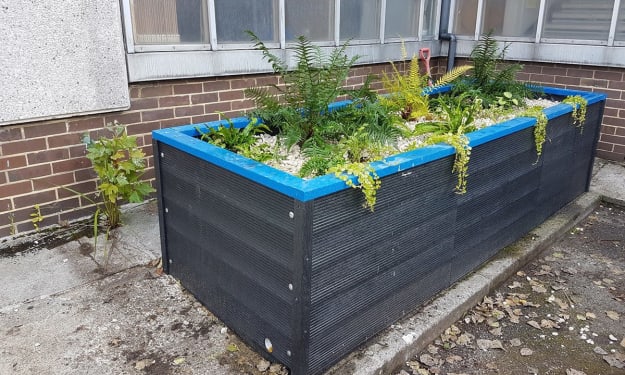
SuDS Planters: Transforming Urban Landscapes for Sustainable Water Management
In today's rapidly urbanizing world, managing stormwater is a pressing concern. Traditional drainage systems often fall short in effectively handling the deluge of water in urban areas, resulting in increased flood risks and water pollution. Sustainable Drainage Systems (SuDS) have emerged as a compelling solution to address these challenges. A key element of SuDS that has gained popularity for its functionality and aesthetics is the SuDS planter. In this blog, we'll explore the world of SuDS planters, understanding their significance, benefits, and applications, and how you can transform urban landscapes while promoting sustainable water management.
By Marian S Bailey2 years ago in Earth
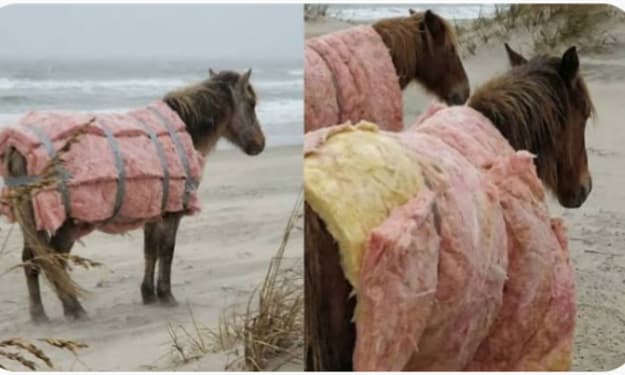
No, North Carolina Wild Horses Were Not Wrapped in Insulation
You might have seen some shocking images circulating online: wild horses on a North Carolina beach supposedly wrapped in pink insulation by volunteers trying to “help” them survive the winter. The photos went viral, sparking outrage, concern, and a flurry of social media shares.
By Sajida Sikandar5 days ago in Earth
Storm Leonardo Triggers Mass Evacuations Across Spain and Portugal
Storm Leonardo has unleashed severe weather across parts of Spain and Portugal, forcing authorities to evacuate more than 11,000 residents as flooding, powerful winds, and widespread disruption threaten public safety. Emergency services in both countries remain on high alert, warning that risks persist even as conditions show signs of gradual improvement.
By Adil Ali Khan6 days ago in Earth


Comments (1)
Oh this would be valuable for urban residents. Well written.