
AI in Transportation: The Road to Autonomy
How Intelligent Systems Drive the Future

Introduction
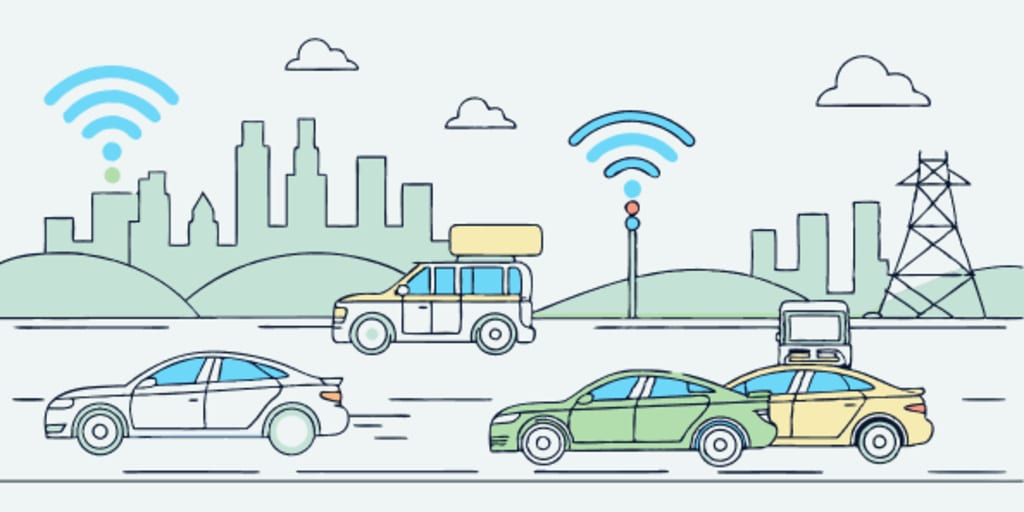
The integration of artificial intelligence (AI) into transportation systems marks a pivotal shift in how we move people and goods across the globe. By leveraging advanced algorithms, machine learning, and real-time data processing, AI is transforming autonomous vehicles and traffic management systems, promising safer, more efficient, and sustainable mobility solutions.
AI-Driven Autonomous Vehicles
Core Technologies Powering Self-Driving Cars
AI serves as the central nervous system of autonomous vehicles, enabling them to perceive, reason, and act in complex environments. Key technologies include:
- Machine Learning (ML): Enables vehicles to learn from vast datasets of driving scenarios, improving decision-making over time.
- Deep Learning (DL): Utilizes neural networks to process visual data from cameras, identifying objects, pedestrians, and traffic signals with high accuracy.
- Computer Vision: Provides the "eyes" of the vehicle, interpreting visual data to navigate safely.
- Sensor Fusion: Integrates data from LiDAR, radar, and cameras to create a comprehensive environmental model.
Industry Leaders Pioneering Autonomous Technology
- Tesla: Employs a vision-based AI system with neural networks trained on extensive driving data, enabling continuous improvement through over-the-air updates.
- Waymo: Utilizes a LiDAR-first approach, combining sensor data with high-definition maps for precise navigation and decision-making.
- Cruise and Argo AI: Focus on developing AI-powered autonomous taxis for urban environments, addressing complex traffic patterns and pedestrian interactions.
Benefits of Autonomous Vehicles
- Enhanced Safety: AI systems can detect hazards faster than human drivers, potentially reducing accidents caused by human error, which account for over 90% of traffic crashes.
- Improved Mobility: Offers transportation solutions for non-drivers, including the elderly and disabled.
- Environmental Impact: Reduces carbon emissions through optimized driving patterns and efficient routing.
AI in Traffic Management
Smart Traffic Systems
AI-driven traffic management systems optimize urban mobility through:
- Dynamic Traffic Light Control: Adjusts signal timings based on real-time traffic flow, reducing congestion and travel times.
- Predictive Analytics: Forecasts traffic patterns to preemptively manage congestion.
- Incident Response: Automatically reroutes traffic around accidents or construction zones.
Case Studies in AI Traffic Management
- Singapore: Uses IoT sensors and cameras to monitor traffic density, dynamically adjusting signals and providing real-time commuter updates.
- Los Angeles: Employs AI to manage over 4,500 intersections, reducing travel delays and fuel consumption.
- India: Tests adaptive traffic control systems in cities like Bengaluru, cutting travel times and wait times at signals.
Future Outlook
Overcoming Challenges
Technical limitations, regulatory hurdles, and public acceptance remain barriers to widespread adoption. Ensuring AI decision-making transparency and addressing ethical dilemmas, such as safety trade-offs, are critical for gaining public trust.
The Path to Full Autonomy
While most current systems operate at SAE Levels 2-3, the goal remains achieving Level 5 autonomy. Advances in AI algorithms, infrastructure development (e.g., V2X communication, 5G networks), and regulatory frameworks will be essential for this transition.
Conclusion
AI is reshaping transportation by enabling autonomous vehicles and smarter traffic systems, enhancing safety, efficiency, and sustainability. As technology evolves and infrastructure adapts, AI-driven solutions will become integral to future mobility, though challenges must be addressed to realize their full potential.
Recommended books
Genesis: Artificial Intelligence, Hope, and the Human Spirit
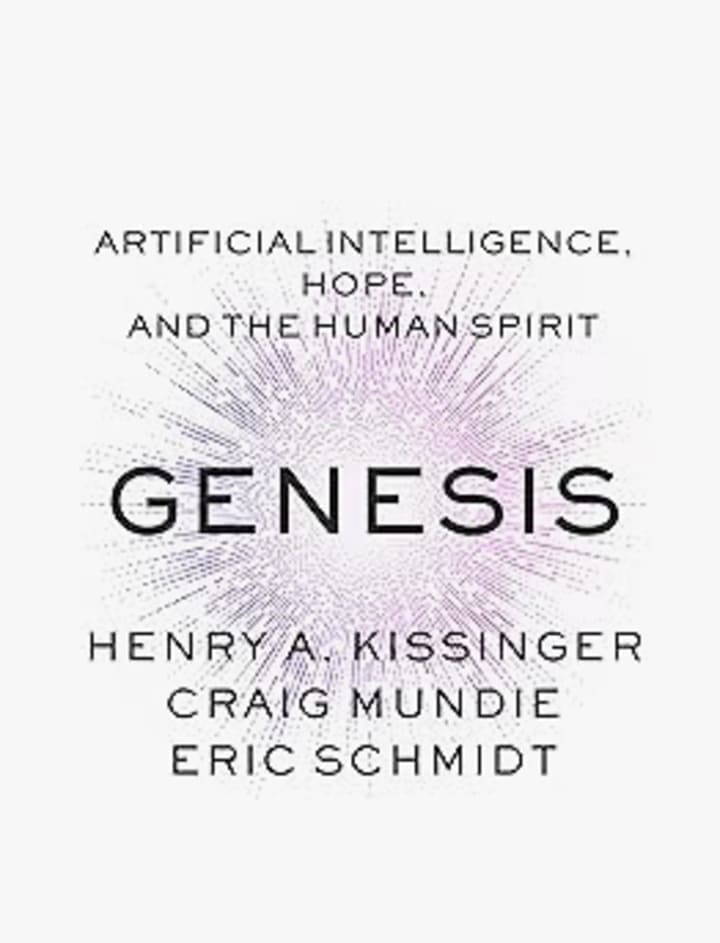
As Artificial Intelligence (AI) becomes more dynamic and ubiquitous, it is dramatically empowering people in all walks of life while also giving rise to urgent questions about the future of humanity—a historic challenge whose contours and consequences are revealed by three eminent thinkers in Genesis.
About the Author: With over a decade of experience as an internet product architect, I’ve spent my career crafting innovative application solutions that bridge technology and real-world needs. Now, as a passionate advocate for artificial intelligence, I focus on exploring its transformative applications. I’m committed to pushing the boundaries of AI to empower lives and shape a smarter future. Join me on this exciting journey as we uncover the endless possibilities of intelligent technology.
About the Creator
roc chiang
I'm a tech enthusiast and entrepreneur based in Vancouver. I share original articles on technology, business and other related topics on social media to showcase my passion and insights.
Editor-in-Chief:fengtou.ca
Keep reading
More stories from roc chiang and writers in Education and other communities.
AI in Entertainment: Redefining Media Consumption
Introduction The integration of artificial intelligence (AI) into the entertainment industry has sparked a transformative revolution, reshaping how we create, distribute, and consume media. By harnessing the power of advanced algorithms and machine learning, AI is not only enhancing creativity but also delivering hyper-personalized experiences that captivate modern audiences. This technological evolution is evident across various sectors, from streaming platforms to gaming, where AI applications are setting new standards for innovation and user engagement.
By roc chiang10 months ago in Education
Why Oil and Gas EPC Is Transforming Energy Project Development?
The energy industry is being transformed by new technology, higher efficiency and safety demands, and environmental constraints. One of the most important changes is the further spread of the Engineering, Procurement and Construction (EPC) service model in oil and gas construction. EPC solutions, which were once limited to larger, complex projects, are now being deployed much more broadly as companies seek integrated solutions to streamline processes, reduce risk, and improve outcomes.
By Akshay Kumar5 days ago in Education
Rachel Reviews: Lunch Tales: Teagan by Lucille Guarino
Well, I did enjoy this! Sometimes, all you need is just great storytelling and this is what Lucille Guarino delivers here. There's no big message to this book; it's just about folks and families, living their lives and coping with everything that's being thrown at them and finding their way. But when it's done well, like it is here, then you have characters to whom you can relate, tension which leaves you rooting for a better outcome, attraction which has your heart racing and an urge, as a reader, to see the characters happy with the people with whom they belong.
By Rachel Deeming7 days ago in BookClub



Comments
There are no comments for this story
Be the first to respond and start the conversation.