
China Hair Care Industry Analysis Market Size, Trends, and CAGR (2026–2034)
Innovation, Consumer Shifts, and Competitive Growth Drivers
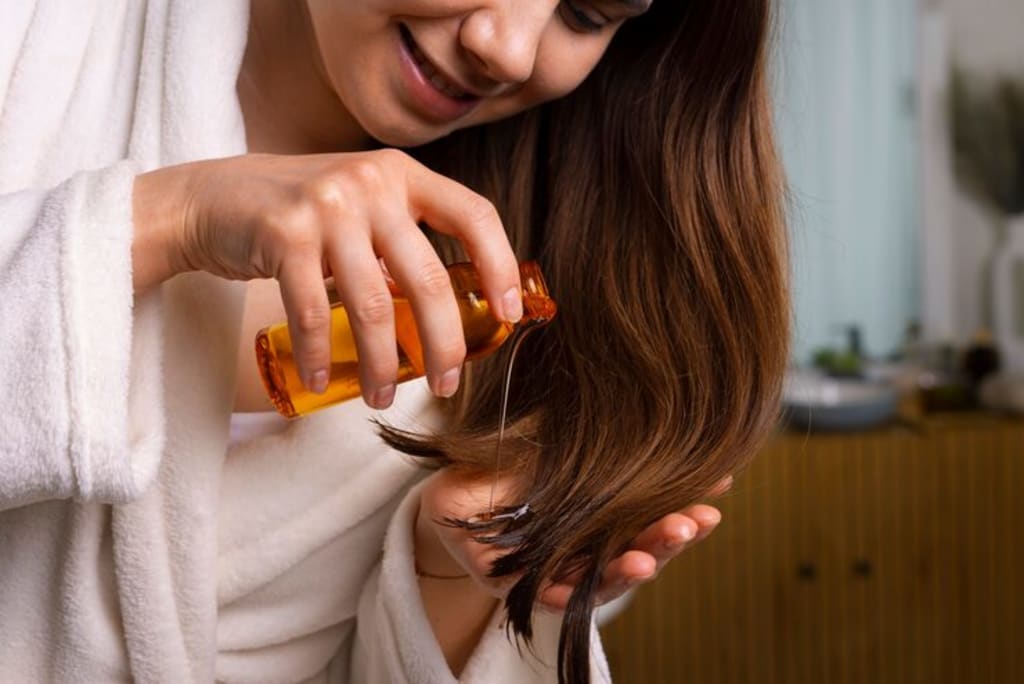
For decades, the Chinese beauty market was dominated by skincare, but in 2026, the focus has shifted upward. The "Skinification of Hair" has turned the humble shampoo into a sophisticated multi-step ritual. Driven by a young, urban population facing high-stress levels and environmental pollutants, the China hair care market is currently on an explosive trajectory. The China hair care market was valued at USD 15,547.6 million in 2025 and is projected to reach USD 22,146.4 million by 2034. According to IMARC Group, the market is expected to grow at a compound annual growth rate (CAGR) of 4.01% from 2026 to 2034."
This economic expansion is supported by the rapid growth of "Functional" segments. Anti-hair loss products, scalp serums, and color-protection treatments have become the primary drivers of value. Local giants like Adolph and Seeyoung are aggressively competing with global titans like P&G (Rejoice, Pantene) and L'Oréal by leveraging "C-Beauty" (Chinese Beauty) aesthetics and localized ingredients. For the Chinese economy, this means a more sophisticated cosmetic manufacturing sector that prioritizes high-margin, science-backed formulations over low-cost volume.
The "Skinification" of Hair: Scalp Health as the New Frontier
If 2026 has a singular mantra for beauty, it is that "The Scalp is an extension of the Face." This concept, known as the Skinification of Hair, has completely rewired the product development cycle.
Scalp-First Formulations: In 2026, the bestseller lists are dominated by scalp scrubs, exfoliating toners, and pre-shampoo oils. Consumers are treating their scalps with the same care they give their faces, using ingredients like Salicylic Acid, Hyaluronic Acid, and Niacinamide to balance oil production and promote follicle health.
Anti-Hair Loss Domination: Driven by "Anxiety Culture" and the physical toll of urban life, anti-hair loss products have seen a 12% surge in demand. In 2026, these are no longer clinical, medicinal products but are packaged as luxury lifestyle items, often featuring "Super-ingredients" like Ginger, Ginseng, and Caffeine.
The Rise of "Hair Perfume" and Dry Shampoo: As urban lifestyles become more fast-paced, "Convenience Beauty" has peaked. Dry shampoos that leave zero residue and hair mists that provide UV protection and high-end fragrance are now essential items in every 2026 professional’s bag.
How AI is Reshaping the Future: The Virtual Hair Doctor
In 2026, technology has moved from the laboratory to the smartphone. Artificial Intelligence is now the primary tool for "Personalized Hair Care."
AI Scalp Diagnosis: Platforms like Tmall and JD.com now offer AI-powered scalp analysis. Users take a high-resolution photo of their roots, and the AI analyzes sebum levels, redness, and hair density. By early 2026, these tools have reached 95% accuracy, providing personalized product recommendations that have increased customer loyalty by 30%.
Smart Hair Tools: 2026 has seen the rise of "Connected Brushes" and "Smart Dryers." These devices use AI to detect moisture levels in the hair shaft, automatically adjusting heat and airflow to prevent damage. This "Damage-Control" technology is a major hit with the Gen-Z demographic, who prioritize hair health over styling speed.
Generative AI in Fragrance: Brands are using AI to create "Emotion-Sensing" fragrances for shampoos. By analyzing social media sentiment, AI helps brands develop scents that alleviate stress or boost energy, turning a 5-minute shower into a therapeutic experience.
The Sustainability Mandate: "Clean & Green"
Sustainability and health are the twin pillars of 2026. The Chinese consumer is no longer just looking for "results"—they are looking for "Clean Beauty."
Silicone-Free and Biodegradable: The market has seen a massive shift away from silicones and sulfates. In 2026, "Biodegradable" and "Water-conscious" formulations are the new gold standard. Brands are focusing on "Dry" formats like shampoo bars and concentrated powders to reduce plastic waste and carbon footprints.
Traditional Chinese Medicine (TCM) Fusion: There is a powerful "Guochao" (National Tide) influence in 2026. Modern hair care is integrating ancient TCM wisdom using ingredients like He Shou Wu (Polygonum multiflorum) and Lingzhi mushroom to provide holistic solutions. This fusion of "Biotech + Heritage" is the most successful marketing strategy for 2026.
Sustainable Packaging: Refillable stations and "Paper-bottles" have become common in Tier-1 malls. Major players like L'Oréal have implemented "Closed-loop" recycling programs in China, aligning with the nation's 2030 green goals.
Market Industry Segmentation & Competitive Landscape
The 2026 market is highly diversified, catering to a wide range of consumer needs:
Product Insights: Shampoo remains the largest segment (~40%), but Conditioners & Treatments (including hair masks and oils) are the fastest-growing category with a 5.8% CAGR.
Distribution Insights: E-commerce remains the powerhouse, but "Social Commerce" (Douyin, Little Red Book) has overtaken traditional search-based shopping. Live-streaming remains the #1 way for brands to educate consumers on complex scalp care routines.
Category Insights: The "Dandruff & Oil Control" segment is still the volume leader, but the "Anti-Aging & Repair" segment is the most profitable.
Conclusion: A Vision of "Total Wellness"
As we look at the state of China’s hair care industry in 2026, it is clear that the sector has successfully integrated science, tradition, and technology. By embracing a $15 Billion vision and utilizing AI to deliver personalized, healthy, and culturally resonant products, China has created a hair care ecosystem that is a global leader in innovation. The industry has proven that hair is more than just an aesthetic feature it is a barometer for health and a reflection of a nation's rising quality of life. In 2026, the "Golden Age" of Chinese hair care has truly arrived.
About the Creator
Keep reading
More stories from Neeraj kumar and writers in Education and other communities.
Driving the Future Spain’s $23 Billion Light Commercial Vehicle Revolution (2026-2034)
Spain has always been a logistical gateway for Europe, but in 2026, the vehicles powering this gateway are undergoing a radical transformation. The "white van" of the past is being replaced by high-tech, electric, and connected Light Commercial Vehicles (LCVs). Driven by a massive surge in e-commerce, strict urban emission zones (ZBEs), and a total realignment of manufacturing toward Zaragoza and Vigo, the Spain LCV market is currently entering its most explosive growth phase. According to the latest research, the Spain Light Commercial Vehicles market was valued at USD 9.38 Billion in 2024 and is now on a trajectory to reach a staggering USD 23.02 Billion by 2032, growing at a robust CAGR of 11.10% from 2026 onwards.
By Neeraj kumarabout 3 hours ago in Education
The Allure of Luxury Cosmetics in Modern Beauty and Self-Care
Luxury cosmetics have become a powerful symbol of quality, sophistication, and personal expression. Beyond enhancing appearance, these products represent craftsmanship, innovation, and an elevated beauty experience. From premium skincare and high-end makeup to exclusive fragrances, luxury cosmetics appeal to consumers who value performance, refined aesthetics, and emotional connection with beauty products.
By Bobby Yadavabout 19 hours ago in Education
A Letter to the Firestarter
Dear Firestarter, We can all see you, we've been watching you since you began. In case you didn't know we were here before you and we will be here after. We witnessed your rise, your setbacks, your guilt and your lies. We witnessed you start the fire.
By Donny Foley4 days ago in Poets



Comments
There are no comments for this story
Be the first to respond and start the conversation.