
Crossing Sacred Paths: The Transformative Experience of Interfaith Travels
Exploring Belief and Belonging: How Interfaith Journeys Foster Understanding, Dialogue, and Shared Humanity


Travel has always been a powerful teacher, but interfaith travel offers something even deeper. They invite people to step into sacred spaces that belong to traditions other than their own. Whether walking through a centuries-old cathedral, observing prayers at a mosque, or sitting quietly in a temple courtyard, these experiences open doors to understanding that books alone cannot provide.
The experience of interfaith travel is not just about sightseeing. It is about encountering beliefs, rituals, and communities that shape the lives of millions. When travelers immerse themselves in different faith traditions, they often discover shared human values such as compassion, gratitude, forgiveness, and hope. These journeys challenge assumptions and replace stereotypes with real conversations and authentic encounters.
Walking Through History and Spiritual Heritage
One of the most powerful aspects of interfaith travel is standing in places where history and spirituality intersect. Visiting the Western Wall in Jerusalem, for example, allows travelers to witness centuries of devotion expressed through prayer and reflection. Not far away stands the Dome of the Rock, a site sacred to Muslims and admired for its architectural beauty. These landmarks are not just historical monuments; they are living symbols of faith.
In India, the Golden Temple welcomes visitors of all backgrounds. Travelers often share a simple meal in the community kitchen, experiencing firsthand the Sikh principle of equality and service. Such moments leave lasting impressions because they show how spiritual beliefs translate into everyday actions.
Interfaith travelers quickly realize that sacred sites are not isolated from the world. They are deeply connected to cultural traditions, art, music, and daily routines. Observing a festival, listening to religious chants, or watching families gather for worship helps visitors understand how faith shapes identity.
Building Bridges Through Conversation
Another meaningful part of interfaith travel is dialogue. Engaging in respectful conversations with local believers can transform perspectives. Sitting with a rabbi, imam, priest, monk, or spiritual teacher offers insights that go far beyond surface-level knowledge. When travelers ask thoughtful questions and listen with humility, they often discover surprising similarities among different religions.
For many people, fear of the unknown creates distance. Interfaith journeys replace that fear with familiarity. Sharing tea after a prayer service or discussing sacred texts in a study group fosters connection. These conversations reveal that while doctrines may differ, many faiths emphasize love, justice, mercy, and service to others.
Personal stories often become the most memorable part of the trip. Hearing how someone’s faith guides them through hardship or inspires acts of kindness makes religion feel human rather than abstract. Through these exchanges, travelers begin to see the world not as divided by belief but enriched by diversity.
Personal Growth and Inner Reflection
Interfaith travel not only changes how people view others; it also encourages self-reflection. Visiting sacred spaces outside one’s own tradition can lead to deeper questions about personal beliefs. Travelers may return home with a stronger appreciation for their own faith or with a renewed commitment to spiritual exploration.
Standing quietly inside St. Peter's Basilica or watching the sunrise on the banks of the Ganges River can inspire moments of introspection. These settings invite stillness and contemplation. Even those who do not identify with a particular religion often describe feeling awe in such environments.
The beauty of interfaith travel lies in its ability to expand hearts and minds. Exposure to different worship styles, symbols, and traditions challenges individuals to think beyond familiar frameworks. Instead of seeing differences as barriers, travelers begin to view them as opportunities for learning.
Encouraging Respect in a Diverse World
In today’s interconnected world, understanding different religions is more important than ever. Misunderstandings can easily grow when people rely on limited information or media portrayals. Interfaith travel offers a direct and personal way to counter these misconceptions. By meeting real people and witnessing authentic practices, travelers gain balanced perspectives.
Respect is not automatic; it develops through exposure and empathy. When visitors remove their shoes before entering a temple or cover their heads inside a mosque, they participate in small acts of respect that carry deep meaning. These gestures demonstrate a willingness to honor traditions that may differ from their own.
As travelers return home, they often carry with them stories that inspire others. They may share experiences of hospitality, community service, or peaceful prayer gatherings. In doing so, they contribute to a culture of understanding within their own communities.
A Journey That Continues Beyond the Trip
The experience of interfaith travel does not end when the plane lands. It continues in everyday interactions, conversations, and attitudes. Many travelers find themselves more patient, curious, and open-minded after such journeys. The memories of sacred chants, shared meals, and heartfelt discussions remain vivid reminders of humanity’s shared spiritual longing.
Interfaith travel ultimately teaches that while beliefs may differ, the desire for meaning, connection, and peace is universal. By stepping into one another’s sacred spaces with humility and respect, travelers help build bridges across traditions. In a world often divided by misunderstanding, these journeys offer hope that empathy and dialogue can lead the way forward.
About the Creator
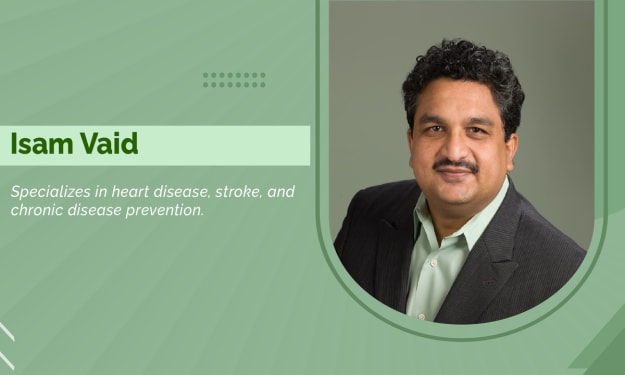
Isam Vaid
Dr. Isam Vaid is a respected public health scientist who has focused on chronic disease, health disparities, and interfaith community building for over 15 years.
Portfolio: https://isamvaidga.com/
How to Optimize Content for Google’s AI Search Results
Google search no longer behaves like a filing cabinet. It acts more like a junior analyst reading pages, weighing meaning, and assembling responses on demand. AI driven search results pull from context, intent, and language patterns rather than isolated keywords. That shift rewrites the rules for content creation. Pages now compete inside a probabilistic model that favors clarity, authority, and semantic depth.
By Harry Cmary7 days ago in Education
Smart Savings in Real Time
Every business wants to lower costs. However, many leaders fear that cutting expenses will hurt quality. The good news is that this does not have to happen. Many companies prove that smart planning can protect quality while lowering spending. These real-world examples show efficiency in action and how teams reduced costs without compromising quality.
By Duke Valentour7 days ago in Education



Comments