
How Does Sleep Contribute to Mental Health?
Sleep Contribute to Mental Health
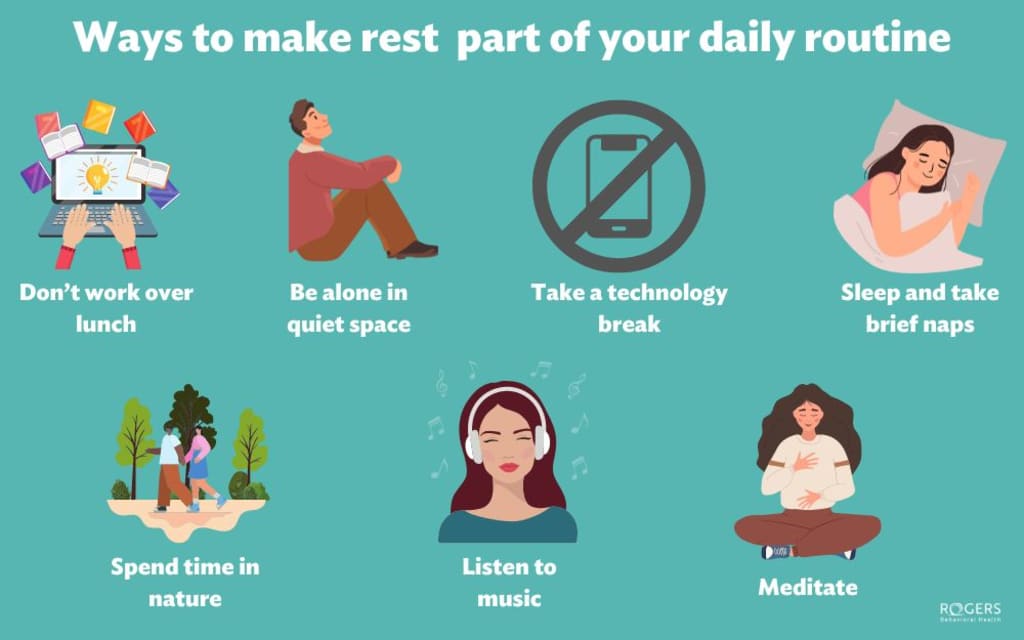
Sleep is one of the most fundamental survival biological functions for human beings but little valued in health considerations. Even while most recognize sleep as essential to bodily energy, few have a natural instinct that sleep is as closely associated with mental well-being. In fact, sleep and mental health are quite closely connected: poor sleep exacerbates mental sickness, and vice versa, mental sickness disrupts sleep.
This interaction creates a cycle that, if left unaddressed, greatly impedes quality of life. Understanding how sleep affects the brain, emotions, and mental stability is the key to maintaining long-term health.
The Science of Sleep
Sleep is not a passive process; it is an active and highly coordinated biological process. The human body fluctuates between two major stages:
Non-REM sleep (NREM): Three stages of light sleep to deep restorative sleep, curing tissues, strengthening the immune system, and consolidating physical energy.
REM sleep (Rapid Eye Movement): A dreaming stage critical for managing emotions, solidifying memory, and processing cognitions.
A full sleep cycle lasts about 90 minutes, and adults need 7–9 hours of sleep nightly to perform at their best level. Forgetting or skipping these cycles disrupts essential processes that maintain emotional and mental stability in the background.
How Sleep Affects Mental Health
Mood Regulation
During the night, the brain screens out feelings, stabilizes memory, and prunes redundant neural associations. If sleep is poor, it interferes with this process, producing irritability, mood changes, and heightened emotional sensitivity. A single night of poor sleep can leave people vulnerable to anger, depression, or frustration.
Cognitive Function
Sleep is critical to attention, decision-making, and problem-solving. Poor sleep disrupts concentration, stifles creativity, and slows reaction times. This is the reason why chronically sleep-deprived students and professionals do not do well.
Stress Response
A good night of sleep represses cortisol (the stress hormone), which keeps the body in a state of ever-present "alertness." Slowly, this heightened stress response makes a person vulnerable to anxiety and burnout.
Mental Illness Risk
Sleep disturbances are both a symptom and a risk factor for mental illness. For example:
Anxiety Disorders: Insomnia patients are at higher risk of developing generalized anxiety or panic attacks.
Depression: Chronic poor sleep is often a prodrome to the onset of depressive episodes.
Bipolar Disorder: Abnormal sleep patterns can trigger manic or depressive episodes.
Post-Traumatic Stress Disorder (PTSD): Poor sleep and nightmares increase distress and complicate recovery.
Common Sleep Problems Affecting Mental Health
Insomnia: Difficulty in falling or staying asleep, often related to depression or anxiety.
Sleep Apnea: Stopping breathing while sleeping, lowering oxygen and causing fatigue and short-temperedness.
Restless Legs Syndrome (RLS): Painful urge to move the legs at night, interrupting sleep.
Circadian Rhythm Disorders: Disrupted sleep-wake cycles, typically in shift workers or irregularly scheduled workers.
All of these can exacerbate mental illness problems if not managed well.
The Vicious Cycle of Mental Health and Sleep
The cycle between mental health and sleep is two-way:
Poor sleep increases the risk for mental illness.
Mental illnesses create or worsen sleep disorders.
For example, an anxious individual may have trouble sleeping due to racing thoughts, making him even more anxious the next day. Another individual with depression can have disrupted sleep patterns leading to fatigue that further enhances feelings of hopelessness.
Breaking this cycle requires reversing sleep habits and core mental health conditions.
Positive Impact of Healthy Sleep on Mental Health
Enhanced Emotional Resilience
Well-rested individuals better cope with stress and adversity and are less reactive to challenge.
Enhanced Learning and Memory
Sleep consolidates neural circuits, facilitating the brain's ability to learn and apply new information.
Balanced Hormones and Brain Chemistry
Restful sleep regulates neurotransmitters such as serotonin and dopamine, which are central to the stability of moods.
Enhanced Physical Health
Since physical and mental health go hand in hand, good sleep reduces chronic disease risks, thereby indirectly promoting mental health.
Practical Strategies to Enhance Sleep and Mental Well-being
1. Adopt a Routine
Sleeping and rising at the same hour each day stabilizes the circadian rhythm, thus falling asleep naturally.
2. Prepare a Sleep-Conducive Environment
Maintain the bedroom at a cool, dark, and quiet environment.
Use cozy bedding and firm mattresses.
Remove distractions like phones, televisions, or lights.
3. Limit Stimulants and Alcohol
Caffeine, nicotine, and alcohol disrupt regular sleep cycles. Avoidance of these products at least six hours before sleeping contributes to better rest.
4. Practice Relaxation Techniques
Mindfulness meditation, deep breathing, or progressive muscle relaxation may help calm the mind prior to sleeping, leading to less nighttime anxiety.
5. Limit Screen Time
Blue light from phones and computers interferes with the melatonin production process. Reducing the exposure to the screen at least an hour before bedtime can restore the natural sleep cycle.
6. Get Physical
Exercise during the day improves deeper sleep at night but should refrain from strenuous exercise near bedtime.
7. Seek Professional Assistance When Necessary
If sleeping problems are chronic, consulting a sleep doctor or mental health professional is required. Cognitive Behavioral Therapy for Insomnia (CBT-I) is one of the best therapies for chronic sleep difficulties.
Case Example
Anita, 40 and a teacher, began experiencing insomnia after it was difficult for her to adapt to online classes during the pandemic. She felt constantly fatigued, irritable, forgetful, and anxious all the time. She visited a psychologist, who instructed her to add relaxation exercises, develop a sleeping routine, and reduce caffeine consumption. Slowly, she began sleeping better, and so did her anxiety level.
Her testimony illustrates how improving sleep can alter not only physical energy but also psychological stability.
Long-Term Perspective
Sleep is not a luxury, but a necessity — as necessary as food or breathing. Putting sleep hygiene first is an active step to protect mental health. Parents, schools, and employers need to encourage healthier sleep and realize that productivity and happiness rest on rest.
Conclusion
Sleep is the door to good mental well-being. It regulates emotions, sharpens thought, lessens tension, and prevents mental sicknesses from developing. Forgoing sleep tends to create patterns of tension, depression, or burnout, while prioritizing rest builds resilience, stability, and overall well-being.
If bad sleep is getting the best of you and messing with your mental health, just remember, there is hope. With good sleep hygiene and therapy, the cycle can be broken and both mental acuity and emotional serenity restored.
For more information and support, visit:
About the Creator
Keep reading
More stories from Naveen Garg and writers in Education and other communities.
How Does Stress Management Improve Mental Health?
Stress is unavoidable. Whether it's about meeting deadlines and paying bills, dealing with relationships and navigating life's ups and downs and surprises, everyone experiences stress at one point or another. While short-term stress can be motivational at times — because it keeps us on our toes and enables us to work under pressure — uncontrolled, long-term stress devastates both physical and mental health.
By Naveen Garg6 months ago in Education
Strategic Frameworks That Power Next-Generation Innovation
Next-generation innovation does not emerge from creativity alone; it grows from strategic frameworks that guide discovery, development, and deployment with clarity and discipline. As markets evolve, modern technology accelerates, and customer expectations rise, organizations must adopt structured approaches that transform ideas into scalable breakthroughs. Strategic frameworks help teams move beyond isolated experimentation by aligning innovation efforts with long-term goals, measurable outcomes, and repeatable processes. When organizations combine vision with structure, they create an environment where transformative innovation becomes a continuous and sustainable capability.
By Anthony Blumberga day ago in Education




Comments
There are no comments for this story
Be the first to respond and start the conversation.