
How Modern Eyewear Helps People Maintain Healthy Vision in Everyday Life
The Evolution of Eyewear for Today’s Lifestyle

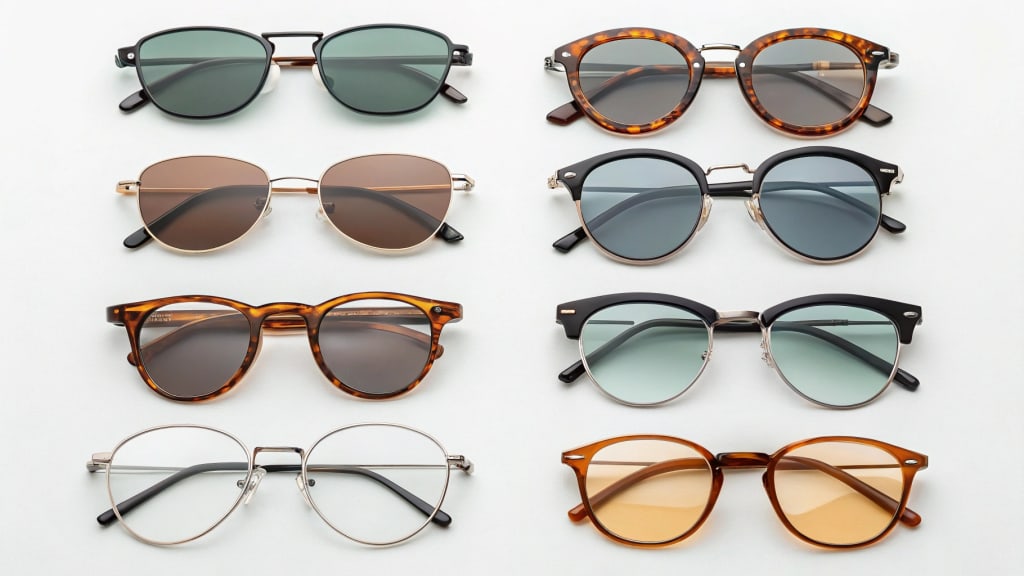
Eyewear has become far more than a simple tool to correct eyesight. Today, it represents a blend of health, comfort, technology, and personal expression. From classic spectacles to advanced contact lenses and protective vision solutions, eyewear plays a central role in how people see the world and how the world sees them. As lifestyles evolve and visual demands increase, eyewear continues to adapt, offering smarter designs, improved materials, and enhanced user experiences.
The Growing Importance of Eyewear in Everyday Life
Modern life places immense pressure on human eyes. Long hours in front of digital screens, increased use of smartphones, and indoor-focused routines have made vision care more important than ever. Eyewear addresses these challenges by helping individuals maintain clarity, reduce eye strain, and protect their vision over time.
Children rely on eyewear to support learning and development, adults depend on it for productivity and safety, and older populations use it to maintain independence and quality of life. Whether it is reading glasses, prescription spectacles, or contact lenses, eyewear supports nearly every stage of life.
Beyond function, eyewear has also become a style statement. Frames are chosen to match personality, fashion preferences, and even mood. This dual role—function and fashion—has positioned eyewear as an essential personal accessory rather than a purely medical necessity.
A Look at Value and Long-Term Expansion
Eyewear has demonstrated remarkable financial strength over recent years. It reached a value of USD 179.7 Billion in 2025, reflecting its widespread adoption and essential nature. Looking ahead, it is expected to grow to USD 295.4 Billion by 2034, showing steady and sustained expansion.
This upward trajectory represents an annual growth rate (CAGR) of 5.70% during the forecast period from 2026 to 2034. Such progress highlights how eyewear continues to gain relevance as populations grow, age, and become more visually engaged through digital tools and media.
Different Types of Eyewear and Their Uses
Eyewear comes in various forms, each designed to meet specific visual and lifestyle needs.
Prescription Glasses
Prescription glasses remain the most common type of eyewear. They are used to correct nearsightedness, farsightedness, astigmatism, and presbyopia. Advances in lens technology now allow for thinner, lighter lenses with coatings that reduce glare, repel water, and block harmful blue light.
Contact Lenses
Contact lenses offer an alternative for those who prefer a glasses-free look. Available in daily, bi-weekly, and monthly options, they provide flexibility and comfort. Specialized lenses are also designed for people with unique eye conditions, offering improved clarity and eye health.
Sunglasses and Protective Eyewear
Sunglasses are essential for shielding eyes from ultraviolet rays, reducing glare, and preventing long-term damage. Protective eyewear, on the other hand, is used in workplaces, sports, and medical settings to guard against injury, debris, and chemical exposure.
Smart and Specialized Eyewear
Recent innovations have introduced smart eyewear that integrates technology such as augmented visuals, fitness tracking, and connectivity features. While still evolving, this segment represents the future of how eyewear may interact with daily digital life.
Innovation Driving Better Vision Solutions
Innovation lies at the heart of eyewear development. Lens materials have evolved from traditional glass to advanced polymers that are lighter, stronger, and more comfortable. Frame designs now use flexible metals, eco-friendly plastics, and custom-fit technologies.
Digital lens manufacturing allows for highly precise prescriptions, improving clarity and reducing distortion. Blue light filtering lenses have gained popularity among people who work long hours on computers, helping to reduce eye fatigue and improve sleep quality.
Sustainability is another area of focus. Many eyewear brands are exploring recycled materials and responsible production methods, aligning vision care with environmental awareness.
Style, Identity, and Personal Expression
Eyewear has become a powerful tool for self-expression. Frames come in countless shapes, colors, and designs, allowing individuals to reflect their personality and lifestyle. Minimalist styles appeal to professionals, bold frames attract fashion-forward users, and vintage-inspired designs offer timeless appeal.
Celebrities, influencers, and designers have all played a role in elevating eyewear as a fashion accessory. Limited editions, designer collaborations, and seasonal collections keep consumer interest high and encourage people to own multiple pairs for different occasions.
Key Players Shaping Eyewear Development
Several well-known companies play a major role in advancing eyewear technology, design, and accessibility. These organizations invest heavily in research, product development, and global distribution, helping to bring innovative vision solutions to millions of people.
Luxottica Group S.p.A.
Essilor International SAS
Johnson & Johnson Vision Care, Inc.
Safilo Group S.p.A.
Alcon Vision LLC
These key players contribute to advancements in lenses, frames, and eye care solutions, ensuring that eyewear continues to meet evolving consumer needs.
Digital Transformation and Online Access
The way people purchase eyewear has changed significantly. Online platforms now allow customers to browse styles, upload prescriptions, and even try frames virtually using augmented reality tools. This digital shift has made eyewear more accessible, especially for those in remote or underserved areas.
At the same time, physical stores remain important for eye examinations, fittings, and personalized consultations. The combination of digital convenience and in-person expertise creates a seamless experience for eyewear users.
Eyewear and Eye Health Awareness
Growing awareness of eye health has encouraged more people to seek regular vision checkups and invest in quality eyewear. Public education campaigns emphasize the importance of early detection of vision problems, especially among children and older adults.
Preventive eyewear, such as blue light blocking glasses and UV-protective sunglasses, has become increasingly popular as people recognize the long-term benefits of protecting their eyes.
The Road Ahead for Eyewear
The future of eyewear looks promising, shaped by technology, personalization, and a deeper understanding of visual wellness. Custom-made lenses, AI-assisted eye testing, and smart eyewear solutions are likely to become more common.
As eyewear continues to grow in value—from USD 179.7 Billion in 2025 toward an anticipated USD 295.4 Billion by 2034—its role in everyday life will only strengthen. With a steady 5.70% annual growth rate from 2026 to 2034, eyewear stands as a vital component of health, comfort, and personal style.
About the Creator
Bobby Yadav
Experienced research analyst with a strong background in market research, data analysis, and industry trend evaluation. Skilled in delivering actionable insights, market forecasts, and strategic recommendations to support business growth.
Keep reading
More stories from Bobby Yadav and writers in Education and other communities.
Understanding Oil & Gas EPC and Its Role in Energy Projects From Concept to Commissioning
The oil and gas industry is one of the most complex and capital-intensive sectors in the world. Behind every refinery, offshore platform, pipeline network, or LNG terminal lies a massive amount of planning, engineering expertise, and coordinated execution. This is where EPC (Engineering, Procurement, and Construction) plays a critical role. Oil & Gas EPC companies act as the backbone of energy infrastructure development, transforming conceptual ideas into fully operational facilities.
By Bobby Yadav4 days ago in Education
The Interview That Tested More Than Skills
The interview was scheduled for ten in the morning, but I arrived at the building an hour early. I didn’t want to risk being late, not today. This opportunity meant more than just a job. It felt like a doorway to a future I had been quietly working toward for years. As I sat in the lobby, watching people pass by with confident strides, I realized how small the moment looked from the outside—and how enormous it felt on the inside.
By NAIB REHMANabout 9 hours ago in Education
From Volume to Value: Why Value-Based Healthcare Is Redefining Modern Medicine
The healthcare system in the United States is changing in a calm but meaningful way. For decades, care was built around volume. Providers were paid based on how many services they delivered. More visits and more procedures often meant higher revenue. Today, that approach is slowly giving way to a new model called value-based healthcare.
By Evan Weiss St Louis7 days ago in Education



Comments
There are no comments for this story
Be the first to respond and start the conversation.