
Mastering Self-Discipline: The Key to Unlocking Your Potential
Self control

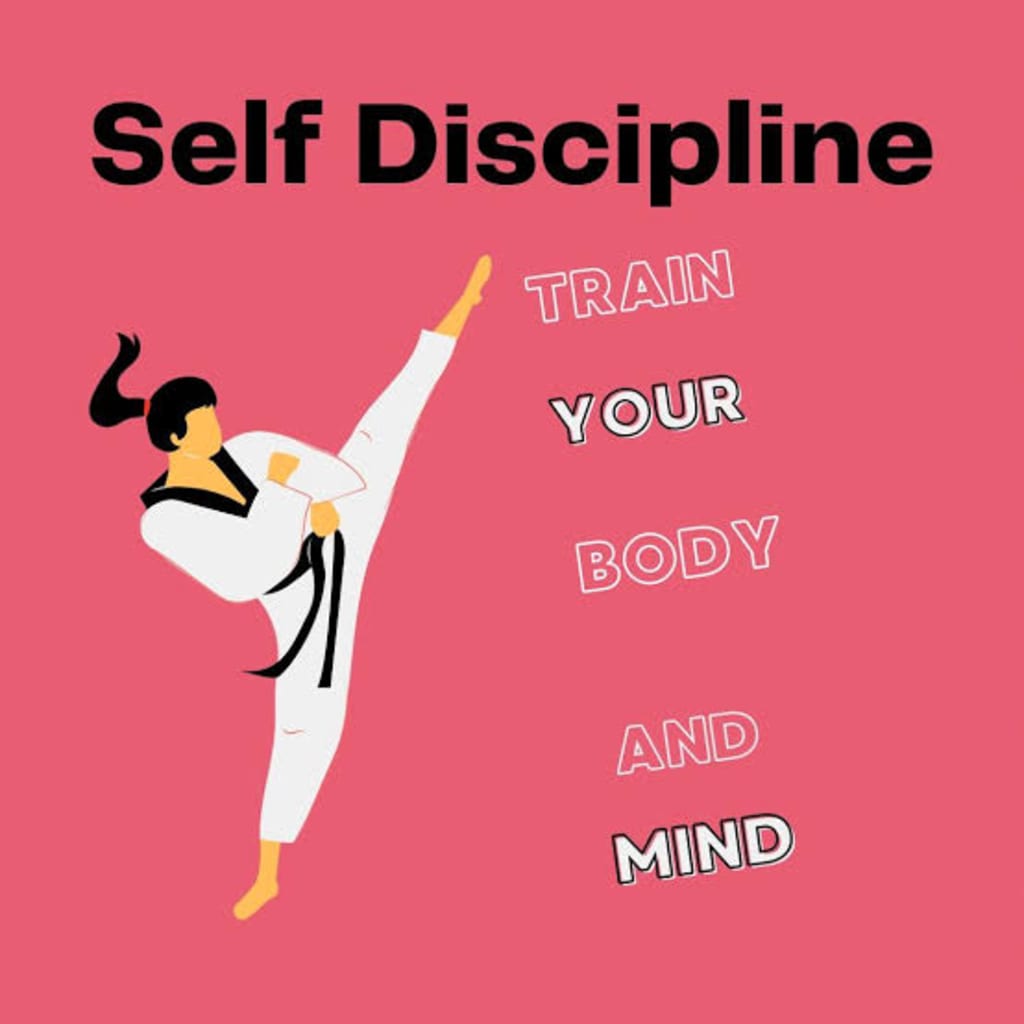
**
Self-discipline is often regarded as one of the most crucial skills for personal and professional success. It is the ability to control your impulses, emotions, and behaviors to stay focused on your goals, even when distractions and temptations arise. Self-discipline enables you to build habits, overcome challenges, and achieve long-term success by prioritizing what truly matters.
In a world filled with constant distractions, mastering self-discipline can seem daunting, but it is an achievable and transformative process. This article delves into the significance of self-discipline, its benefits, and practical strategies to cultivate and sustain it in your life.
---
### **Why Self-Discipline Matters**
Self-discipline is the foundation of personal growth and success. Without it, even the most ambitious goals can remain out of reach. Here are some key reasons why self-discipline is essential:
1. **Achieving Goals**
Self-discipline bridges the gap between setting goals and achieving them. It helps you stay consistent in your efforts, even when motivation wanes.
2. **Building Habits**
Success often stems from positive habits. Self-discipline allows you to create routines that align with your goals, such as regular exercise, healthy eating, or consistent work on personal projects.
3. **Overcoming Procrastination**
Procrastination is one of the biggest barriers to productivity. With self-discipline, you can resist the urge to delay tasks and focus on what needs to be done.
4. **Improving Emotional Control**
Life is filled with challenges and stressors. Self-discipline helps you manage your emotions, stay calm under pressure, and make rational decisions.
5. **Enhancing Relationships**
Discipline isn’t just about personal goals; it also impacts your interactions with others. By practicing patience, empathy, and active listening, you can strengthen your relationships.
---
### **The Benefits of Self-Discipline**
Cultivating self-discipline has far-reaching benefits that impact all areas of your life:
1. **Increased Productivity**
Disciplined individuals are more focused and efficient, enabling them to accomplish more in less time.
2. **Greater Self-Confidence**
When you consistently follow through on your commitments, you build trust in yourself, boosting your self-esteem.
3. **Better Health and Well-Being**
Self-discipline helps you adopt healthy habits, such as exercising regularly, eating a balanced diet, and getting enough sleep. These habits improve your physical and mental health.
4. **Financial Stability**
By practicing discipline in spending and saving, you can achieve greater financial security and work toward long-term goals.
5. **Resilience**
Self-discipline strengthens your ability to persevere through challenges and setbacks, making you more resilient in the face of adversity.
---
### **Practical Strategies to Cultivate Self-Discipline**
Developing self-discipline is a gradual process that requires effort, patience, and consistency. Here are some practical strategies to help you build and sustain it:
#### **1. Set Clear Goals**
Clearly define what you want to achieve. Whether it’s a career milestone, fitness goal, or personal habit, having a specific target gives you direction and purpose.
- Write down your goals and break them into smaller, actionable steps.
- Use the SMART framework: Specific, Measurable, Achievable, Relevant, and Time-bound.
#### **2. Prioritize Your Tasks**
Not all tasks are equally important. Use tools like the Eisenhower Matrix to categorize tasks based on urgency and importance. Focus on high-priority tasks first to maximize productivity.
#### **3. Create a Routine**
Establishing a daily routine helps you build habits and reduce decision fatigue. For example, allocate specific times for exercise, work, relaxation, and social activities. Consistency makes discipline easier to maintain.
#### **4. Practice Delayed Gratification**
Self-discipline often requires postponing immediate rewards for long-term benefits. Train yourself to delay gratification by focusing on the bigger picture.
- For instance, resist the temptation to binge-watch a series and use that time to work on a project. Reward yourself afterward.
#### **5. Eliminate Distractions**
Identify and minimize distractions in your environment. Whether it’s turning off notifications, creating a clutter-free workspace, or setting boundaries with others, reducing distractions enhances focus.
#### **6. Hold Yourself Accountable**
Accountability is a powerful motivator. Share your goals with a friend, mentor, or accountability partner who can check in on your progress. Alternatively, track your progress in a journal or app.
#### **7. Practice Self-Compassion**
Discipline doesn’t mean being overly harsh on yourself. Accept that setbacks are part of the process. Learn from mistakes, adjust your approach, and keep moving forward.
#### **8. Reward Your Progress**
Celebrate small wins to stay motivated. Positive reinforcement helps you associate self-discipline with success and satisfaction.
#### **9. Build Your Willpower Gradually**
Start small and gradually increase the level of discipline required. For example, if you want to exercise regularly, begin with 10 minutes a day and increase the duration over time.
#### **10. Focus on the "Why"**
Remind yourself why your goals matter. Keeping your purpose in mind provides the emotional drive needed to stay disciplined.
---
### **Overcoming Challenges to Self-Discipline**
Developing self-discipline isn’t always easy, especially when faced with challenges. Here’s how to overcome common obstacles:
#### **1. Lack of Motivation**
Motivation can be fleeting. When it diminishes, rely on habits and routines to keep you going. Revisit your goals to reignite your passion.
#### **2. Fear of Failure**
Fear can paralyze progress. Embrace failure as a learning opportunity and focus on progress rather than perfection.
#### **3. Temptations**
Temptations are inevitable, but you can minimize their impact by planning ahead. For example, prepare healthy snacks to avoid reaching for junk food.
#### **4. Overcommitment**
Taking on too much at once can lead to burnout. Learn to say no and prioritize tasks that align with your goals.
#### **5. Negative Self-Talk**
Replace self-doubt with positive affirmations. Encourage yourself with phrases like, “I am capable,” or “I am making progress every day.”
---
### **The Long-Term Impact of Self-Discipline**
Self-discipline is more than just a skill; it’s a way of life that transforms your mindset and approach to challenges. Over time, disciplined individuals tend to:
- **Achieve More:** They consistently reach their goals, leading to a sense of fulfillment and accomplishment.
- **Develop Resilience:** Discipline helps you bounce back from setbacks, making you more adaptable and persistent.
- **Lead by Example:** Disciplined people inspire others through their actions, creating a ripple effect of motivation.
- **Live with Purpose:** By aligning actions with goals and values, self-discipline fosters a life of intention and meaning.
---
### **Conclusion**
Self-discipline is the cornerstone of success and personal growth. It empowers you to overcome obstacles, achieve goals, and live a fulfilling life. While the journey to self-discipline requires effort and consistency, the rewards are well worth it.
By setting clear goals, creating routines, and practicing accountability, you can cultivate self-discipline and unlock your full potential. Remember, it’s not about perfection but about progress. Embrace the process, stay focused on your purpose, and celebrate your achievements along the way.
In the end, self-discipline is not just a skill—it’s a lifelong commitment to becoming the best version of yourself. Take the first step today, and watch how it transforms your life.
About the Creator
Keep reading
More stories from Keli Chris and writers in Education and other communities.
The True Essence of Success: A Journey, Not a Destination
Success is a universal pursuit, an aspiration that drives people to dream big, take action, and constantly improve. Yet, despite its importance, success remains a deeply personal and multifaceted concept. What one person considers success—financial stability, professional accolades, or personal growth—might differ vastly from another’s view, such as happiness, health, or meaningful relationships.
By Keli Chrisabout a year ago in Education
E-Invoicing as a Catalyst for Digital Taxation and Business Efficiency in this Digital Era
Introduction In today’s rapidly evolving digital economy, businesses and governments are increasingly turning to technology to improve efficiency, transparency, and compliance. One of the most significant developments in this transformation is electronic invoicing, commonly known as e-invoicing. E-invoicing refers to the generation, exchange, validation, and storage of invoices in an electronic format between suppliers and buyers, often through government-mandated platforms or standardized systems.
By Bobby Yadav7 days ago in Education
Dead and Wearing Green
She was wearing that green dress when I first saw her, five years ago to the day. Flowing meadow fabric draped over long legs, thick auburn hair flowing down her back. That smile. Of course, she is still beautiful now. But now she is no longer alive.
By Karen Cave7 days ago in Fiction



Comments
There are no comments for this story
Be the first to respond and start the conversation.