
Neuroscience Research Advancing Knowledge of the Human Brain
Why Neuroscience Is Gaining Attention

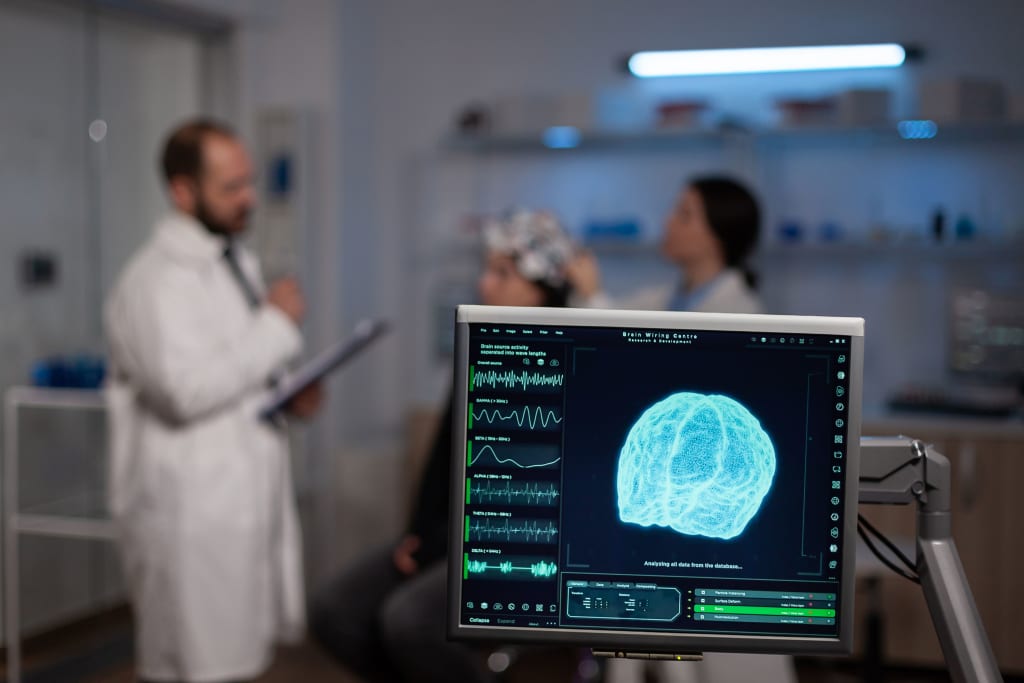
Neuroscience is the scientific study of the brain, spinal cord, and nervous system. Over the past few decades, this field has gained significant attention as researchers and healthcare professionals work to better understand how the brain functions, adapts, and responds to disease. The neuroscience market reflects the expanding interest in brain research, innovative tools, and advanced methods that support the study of neurological processes.
As brain-related conditions continue to affect millions of people worldwide, neuroscience plays a vital role in improving diagnosis, treatment, and overall quality of life. Advances in technology, data analysis, and medical research have made it possible to explore the brain in ways that were once unimaginable.
Understanding the Scope of Neuroscience
Neuroscience covers a wide range of disciplines, including cognitive science, neurobiology, behavioral studies, and clinical research. It focuses on understanding how neurons communicate, how brain regions interact, and how these processes influence behavior, memory, emotions, and decision-making.
This field also plays an important role in addressing neurological disorders such as Alzheimer’s disease, Parkinson’s disease, epilepsy, multiple sclerosis, and mental health conditions. By studying the underlying mechanisms of the nervous system, researchers aim to develop better therapeutic approaches and supportive care options.
Why Neuroscience Is Gaining Attention
The growing interest in neuroscience is driven by several key factors. An aging population has led to a rise in age-related neurological conditions, increasing the need for improved research and treatment solutions. At the same time, greater awareness of mental health has encouraged deeper exploration into how the brain influences emotional and psychological well-being.
Another major factor is technological progress. Modern imaging techniques, data-driven analysis, and advanced laboratory tools have made it easier to study brain activity with greater precision. These innovations allow researchers to gather more accurate insights and translate findings into practical applications.
Key Areas of Neuroscience Research
Neuroscience research spans multiple areas, each contributing to a better understanding of the brain:
• Cognitive neuroscience focuses on memory, learning, attention, and language.
• Clinical neuroscience examines neurological disorders and potential treatment pathways.
• Behavioral neuroscience studies how brain activity affects behavior and decision-making.
• Developmental neuroscience explores how the nervous system forms and changes throughout life.
Each of these areas contributes valuable knowledge that supports both scientific discovery and medical progress.
Role of Technology in Neuroscience
Technology has become a cornerstone of modern neuroscience. Brain imaging methods such as MRI, CT scans, and EEG allow researchers and clinicians to observe brain structure and activity in real time. These tools help identify abnormalities, track disease progression, and evaluate treatment effectiveness.
Artificial intelligence and advanced data analysis are also transforming neuroscience. By processing large volumes of neurological data, researchers can identify patterns that may not be visible through traditional methods. This approach supports faster discoveries and more personalized healthcare strategies.
Applications in Healthcare and Beyond
Neuroscience findings are widely applied in healthcare settings, particularly in diagnosing and managing neurological and mental health conditions. Improved understanding of brain function supports early detection, targeted therapies, and better patient outcomes.
Beyond healthcare, neuroscience also influences education, psychology, and human performance studies. Insights into how the brain learns and adapts are used to develop effective teaching methods, enhance workplace productivity, and improve cognitive training programs.
Challenges in Neuroscience Development
Despite its progress, neuroscience faces several challenges. The brain is one of the most complex systems in the human body, making research time-consuming and resource-intensive. Ethical considerations also play a critical role, especially when conducting studies involving human subjects.
Additionally, translating research findings into practical solutions requires collaboration between scientists, healthcare providers, and technology developers. Overcoming these challenges depends on continued investment in education, ethical research practices, and interdisciplinary cooperation.
Importance of Collaboration and Education
Collaboration is essential for advancing neuroscience. Universities, research institutions, and healthcare organizations work together to share knowledge, resources, and expertise. Educational programs focused on neuroscience help train the next generation of researchers and clinicians who will continue to push the field forward.
Public education also plays an important role. Increasing awareness about brain health encourages preventive care, early intervention, and a better understanding of neurological conditions.
Future Outlook for Neuroscience
The future of neuroscience looks promising as innovation continues to shape how brain research is conducted. Personalized approaches to neurological care, improved diagnostic tools, and deeper insights into brain function are expected to drive progress.
As understanding of the nervous system grows, neuroscience will continue to influence healthcare, education, and everyday life. Ongoing research and technological development are expected to unlock new possibilities for treating complex neurological conditions and supporting long-term brain health.
Looking Ahead
Neuroscience represents a rapidly evolving field dedicated to understanding one of the most vital systems in the human body. The neuroscience market highlights the increasing global focus on brain research, innovative tools, and knowledge-driven solutions.
By continuing to explore the complexities of the brain, neuroscience supports better health outcomes, improved quality of life, and a deeper understanding of what it means to be human.
About the Creator
deepanshu Thakur
A dedicated Market Research Professional specializing in in-depth analysis, industry forecasting, and strategic insights. Known for precision, reliability, and delivering research that adds real business value.
Keep reading
More stories from deepanshu Thakur and writers in Education and other communities.
Why Europe Cosmetics Is Redefining Beauty and Personal Care
Europe Cosmetics and the Evolution of Beauty Standards The beauty and personal care industry in Europe is undergoing significant transformation as consumers become more conscious of ingredients, sustainability, and brand values. Cosmetics are no longer viewed as simple aesthetic products; they are increasingly associated with self-expression, wellness, and lifestyle choices. Across the region, changing consumer preferences and technological advancements are reshaping how beauty products are developed, marketed, and consumed.
By deepanshu Thakurabout 12 hours ago in Education
Unlocking Your Potential: A Journey of Personal Growth and Professional Development
Personal growth and professional development are closely linked. As people grow personally, they often unlock new skills that help them at work. In the same way, professional development can lead to more confidence and personal satisfaction. Both areas support one another and move together in a cycle of improvement. Understanding this connection is the first step toward lasting success.
By Greg Deshields6 days ago in Education
How Teaching Builds the Foundation for Stronger Professional Identity
Teaching others can significantly strengthen your professional identity, as it requires you to articulate what you know clearly. When you break down complex information into understandable steps, you sharpen your own mastery of the subject. This process forces you to analyze your assumptions, refine your explanations, and confirm the accuracy of your knowledge. As a result, you develop a more profound sense of confidence and clarity in your field. In these early stages of instructing others, the importance of professional skill-building becomes undeniably evident.
By Michael Gastinel3 days ago in Education


Comments
There are no comments for this story
Be the first to respond and start the conversation.