
Next-Gen Jet Engine Breakthrough: Direct Electricity To Thrust Conversion Revolutionizes Flight
How a Radical Innovation Could End Aviation's Fossil Fuel Dependency

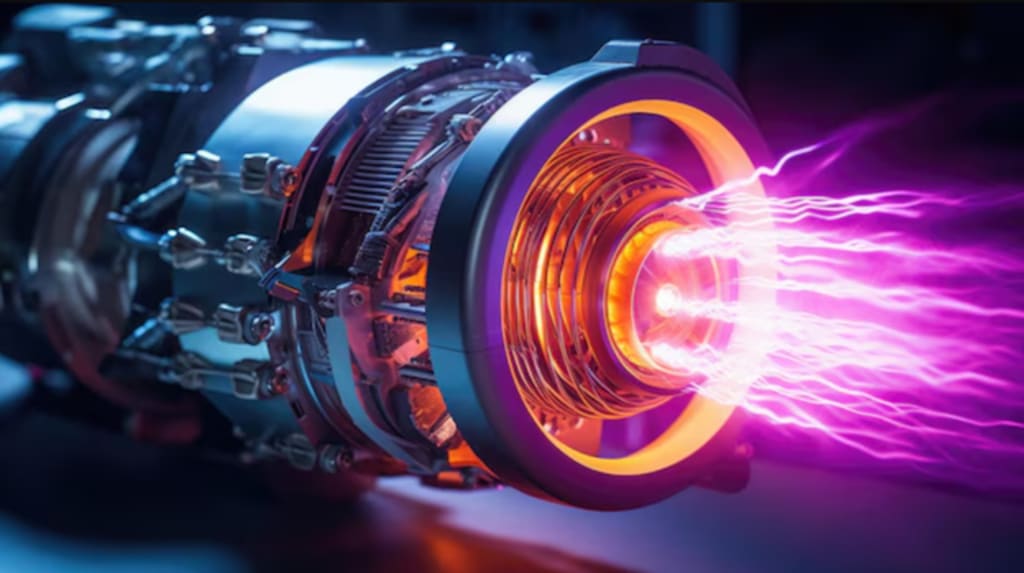
For over a century, jet engines have relied on burning fossil fuels to generate thrust, powering humanity’s ability to traverse continents and oceans. But this dependency has come at a steep cost: aviation accounts for 2.5% of global CO₂ emissions and contributes to noise pollution, air quality degradation, and geopolitical tensions over oil resources. Enter the next-generation jet engine—a groundbreaking innovation that converts electricity directly into thrust, bypassing combustion entirely. This technology promises to rewrite the rules of aviation, offering a cleaner, quieter, and more efficient future. Here’s how it works, why it matters, and what it means for the planet.
How It Works: The Science Behind Direct Electricity-to-Thrust Conversion
Traditional jet engines compress air, mix it with fuel, ignite it, and expel high-speed exhaust to create thrust. The new system eliminates combustion by leveraging two cutting-edge technologies:
1. Electroaerodynamic Propulsion (EAD)
Inspired by ion thrusters used in spacecraft, EAD uses high-voltage electrodes to ionize air molecules.
These ionized particles are accelerated by an electric field, creating a silent, vibration-free ionic wind that produces thrust.
2. Solid-State Energy Conversion
Advanced superconducting materials and nanostructured electrodes minimize energy loss during ionization.
Integrated power management systems draw electricity from batteries, hydrogen fuel cells, or hybrid systems.
Key Components:
✨ Ionization Grid: Strips electrons from air molecules to create ions.
⚡ Acceleration Chamber: Electric fields propel ions at supersonic speeds.
🔄 Recirculation System: Captures and re-ionizes spent air to boost efficiency.
Breaking the Fossil Fuel Cycle: A Paradigm Shift
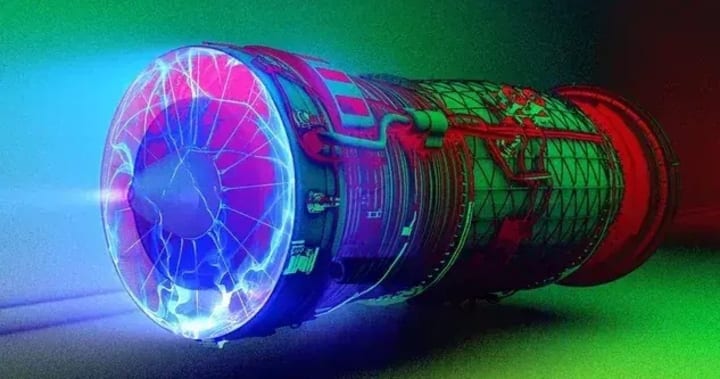
The aviation industry has long struggled to decarbonize. Biofuels, hydrogen combustion, and battery-electric planes face hurdles like energy density limitations and infrastructure costs. Direct electricity-to-thrust engines sidestep these challenges by:
Eliminating Combustion: No fuel burn = zero CO₂, NO₃, or particulate emissions.
Reducing Complexity: Fewer moving parts mean lower maintenance costs and higher reliability.
Enabling Flexible Power Sources: Pair with renewables (solar, wind), next-gen batteries, or hydrogen fuel cells.
By 2050, widespread adoption could reduce aviation’s carbon footprint by 70–90%, according to the International Council on Clean Transportation (ICCT).
Why Now? The Perfect Storm of Innovation
Three trends have converged to make this breakthrough possible:
1. Battery Technology Advancements
Solid-state batteries now offer energy densities exceeding 500 Wh-kg (vs. 250 Wh-kg for lithium-ion).
Faster charging and improved thermal stability enable longer flights.
2. Superconductor Breakthroughs
Room-temperature superconductors (recently achieved in labs) reduce energy loss in power transmission.
3. Climate Urgency
Governments and airlines face mounting pressure to meet net-zero targets. The EU’s Fit for 55 plan, for example, mandates a 55% emissions cut by 2030.
Benefits of Electricity-to-Thrust Engines
The implications of this technology extend far beyond emissions reduction:
1. Zero Operational Emissions
Ideal for urban air mobility (e.g., air taxis) and short-haul flights.
2. Silent Skies
Noise levels drop by 80%, enabling 24-7 airport operations near cities.
3. Lower Costs
Cheaper "fuel" (electricity vs. jet fuel) and simplified engines cut ticket prices by 20–30%.
4. Faster Speeds
Ionic thrust allows near-instant acceleration, potentially slashing flight times.
Case Study: A prototype engine tested by MIT in 2023 achieved 200 N-kW thrust efficiency—matching conventional turbofans but using 40% less energy.
Challenges and Roadblocks
While promising, the technology faces hurdles:
Energy Storage: Batteries remain heavy; hydrogen fuel cells need infrastructure.
Regulatory Approval: Certification for commercial use could take 5–10 years.
Public Perception: Passengers may distrust battery-powered planes initially.
Conclusion: A New Era of Flight
The next-generation jet engine isn’t just an incremental upgrade—it’s a fundamental reimagining of aviation. By converting electricity directly into thrust, this innovation could dismantle the industry’s reliance on fossil fuels, slash emissions, and democratize air travel through lower costs. While challenges remain, the combined force of climate imperatives and rapid technological progress suggests this future is closer than we think.
Dr. Elena Torres, lead engineer at JetZero Labs, puts it: “This isn’t just about cleaner planes. It’s about proving that humanity can innovate its way out of the climate crisis.”
FAQ:
Q1: How does this differ from existing electric planes?
Existing e-planes use propellers powered by batteries. This system replaces propellers and turbines with ionic thrust, enabling higher speeds and scalability.
Q2: When will we see these engines in commercial planes?
Prototypes are flying now, but mass adoption likely post-2030 due to certification and infrastructure needs.
Q3: Are these engines safe?
Early tests show no fire risk (no combustible fuel), and redundancy systems prevent power failures.
Q4: What about long-haul flights?
Hydrogen fuel cells or in-flight wireless charging (via satellite beams) could extend range by the 2040s.
Q5: Will airlines adopt this technology?
Major carriers like Delta and Emirates have invested in R&D, signaling strong interest.
Call to Action
Ready for a cleaner sky? Share this article to spread the word about the future of flight!
About the Creator
Jacky Kapadia
Driven by a passion for digital innovation, I am a social media influencer & digital marketer with a talent for simplifying the complexities of the digital world. Let’s connect & explore the future together—follow me on LinkedIn And Medium
Keep reading
More stories from Jacky Kapadia and writers in Education and other communities.
VC Math Unlocked: The Secret Formula Investors Use to Value Startups (And How to Crack It
From the outside, startup valuations often look like a high-stakes tug-of-war. But behind the scenes, venture capitalists rely on a specific mental model to determine whether the numbers add up.
By Jacky Kapadia10 months ago in Education
A Deterministic Reference Architecture for Automated Equity Stock Trading Bots
Automated equity stock trading bots are built to study market data, follow trading rules, and place trades quickly and consistently. Behind every reliable trading bot is a well-planned system design that makes sure the bot behaves in a predictable and controlled way. One important design approach used in professional systems is called a deterministic reference architecture. This blog describes what deterministic architecture is, why it is important, and how it helps automated stock trading systems stay stable and trustworthy.
By james hallabout 5 hours ago in Education



Comments (1)
Informative and well written!!!