
Role of BIM and 3D Laser Scanning in Meta Data Center Construction Process
How Advanced Digital Technologies Are Revolutionizing Hyperscale Infrastructure Development

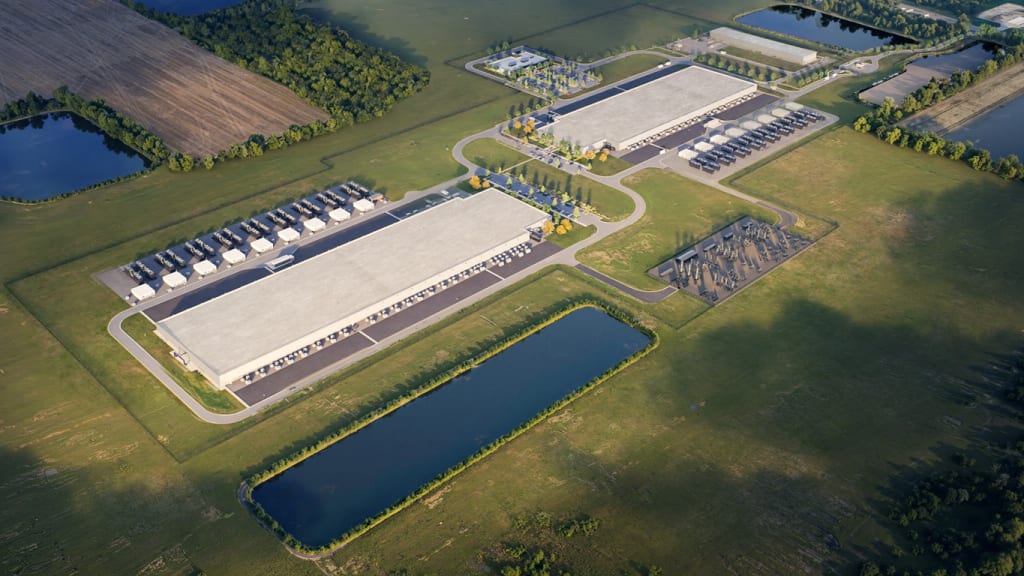
The construction of hyperscale data centers for tech giants like Meta demands unprecedented precision, efficiency, and coordination. With millions of square feet of critical infrastructure housing thousands of servers, networking equipment, and cooling systems, even minor construction errors can lead to costly delays and operational inefficiencies.
Building Information Modeling (BIM) and 3D laser scanning have emerged as transformative technologies that are revolutionizing how Meta approaches data center construction, from initial design through commissioning and ongoing facility management.
Understanding the Complexity of Data Center Construction
Meta's data centers are among the most sophisticated structures in the world. These facilities require:
- Extreme precision in MEP (Mechanical, Electrical, and Plumbing) systems installation
- Dense infrastructure with thousands of cable pathways, cooling systems, and power distribution units
- Strict tolerances where millimeter-level accuracy can impact equipment installation
- Rapid construction timelines to meet business demands
- Future flexibility for technology upgrades and expansions
Traditional construction documentation and 2D drawings simply cannot capture the complexity of these systems or provide the level of coordination required.
BIM: The Digital Foundation
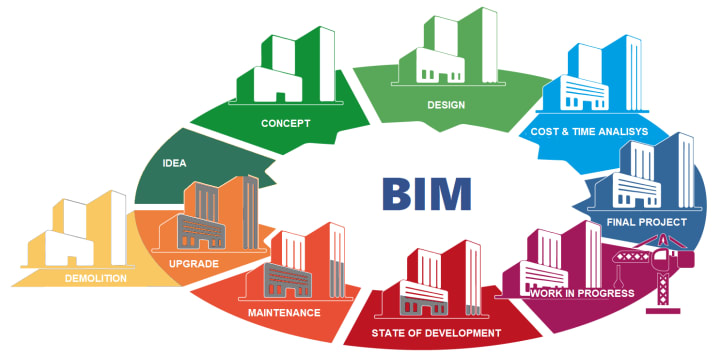
Creating a Single Source of Truth
Building Information Modeling serves as the digital backbone of Meta's data center construction process. BIM creates an intelligent 3D model that integrates:
- Architectural elements and spatial layouts
- Structural components and load-bearing systems
- MEP systems with precise routing and specifications
- Equipment specifications and installation requirements
- Construction sequencing and phasing information
This digital-first approach enables all stakeholders—architects, engineers, contractors, and Meta's facilities team—to work from a unified model, eliminating the confusion and conflicts that arise from disparate documentation.
Clash Detection and Coordination
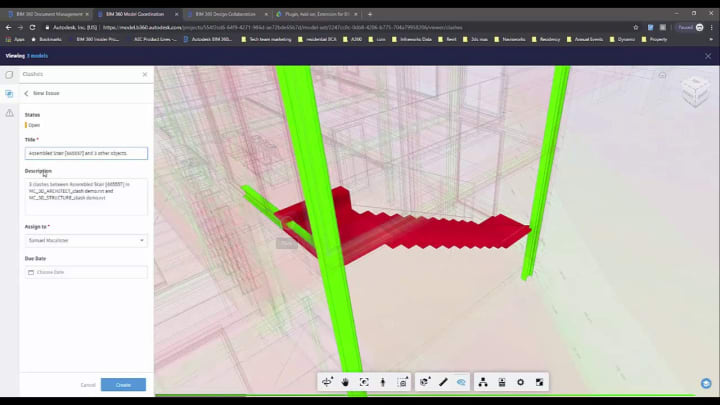
One of BIM's most powerful capabilities in data center construction is automated clash detection. The software identifies conflicts between different building systems before construction begins:
- HVAC ducts interfering with electrical conduit runs
- Structural elements blocking critical cable pathways
- Equipment access issues that would complicate maintenance
- Insufficient clearances for code compliance
For Meta's data centers, where ceiling spaces can contain dozens of overlapping systems, this proactive coordination saves millions of dollars and prevents schedule delays that would otherwise occur when conflicts are discovered in the field.
Prefabrication and Modular Construction
BIM models enable extensive prefabrication, which is crucial for Meta's accelerated construction schedules. Detailed digital models allow manufacturers to fabricate:
- Pre-assembled MEP racks and modules
- Prefabricated electrical distribution systems
- Custom cable tray assemblies
- Modular cooling infrastructure
These components arrive on-site ready for installation, reducing labor costs, improving quality control, and compressing construction timelines by months.
3D Laser Scanning: Bridging Digital and Physical
Capturing As-Built Reality
While BIM provides the design intent, 3D laser scanning captures the as-built reality of the construction site with extraordinary accuracy. Using LiDAR technology, scanners collect millions of data points per second, creating detailed "point clouds" that represent:
- Existing site conditions for renovations or expansions
- As-built conditions during construction phases
- Installed equipment and systems in their actual locations
- Spatial relationships with sub-millimeter precision
For Meta's data centers, this technology is invaluable for documenting the incredibly dense and complex infrastructure that characterizes these facilities.
Quality Control and Verification
Laser scanning enables rigorous quality control by comparing as-built conditions against the BIM model. Construction teams can:
- Verify that systems are installed according to design specifications
- Identify deviations early when they're easier and cheaper to correct
- Document progress for payment and milestone verification
- Create detailed records for future maintenance and modifications
In a data center environment where precision is paramount, this level of verification ensures that the facility will perform as designed when critical IT equipment is installed.
Reducing Rework and Construction Risk
By catching installation errors early, 3D laser scanning dramatically reduces costly rework. Traditional measurement methods might miss a conduit installed inches off-specification until equipment installation reveals the problem. Laser scanning identifies these issues immediately, allowing corrections while trades are still on-site and before subsequent work builds upon the error.
The Synergy: Scan-to-BIM Workflows
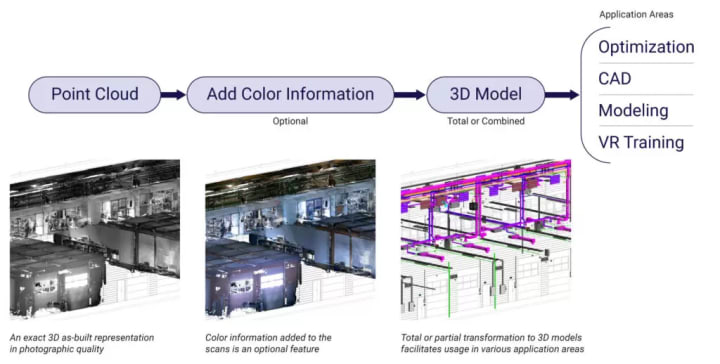
Creating Digital Twins
The true power emerges when BIM and laser scanning work together in integrated workflows. Point cloud data from laser scans can be imported into BIM software, enabling:
- Direct comparison between design models and as-built conditions
- Automated deviation analysis highlighting discrepancies
- Updating BIM models to reflect actual construction
- Creating accurate digital twins for facility management
For Meta's data centers, this digital twin becomes an invaluable asset that supports the entire facility lifecycle, from construction through decades of operation.
Progressive Design and Construction
Scan-to-BIM workflows enable a more flexible, progressive approach to construction:
- Initial Scanning: Capture existing site conditions or early construction phases
- Model Updating: Incorporate as-built data into the design model
- Adaptive Design: Adjust subsequent phases based on actual conditions
- Continuous Verification: Scan at key milestones to ensure ongoing accuracy
This iterative process is particularly valuable in fast-track construction schedules where design and construction overlap, allowing later phases to adapt based on lessons learned from earlier work.
Applications Across the Construction Lifecycle
Pre-Construction Planning
Before breaking ground, laser scanning can capture existing site conditions for:
- Accurate topographic surveys
- Existing utility location and verification
- Adjacent structure documentation
- Site access and logistics planning
Foundation and Structural Work
During foundation and structural construction, BIM and scanning ensure:
- Accurate placement of anchor bolts for critical equipment
- Verification of slab elevations affecting raised floor systems
- Structural tolerances that impact subsequent systems
- Documentation of embedded conduits and sleeves
MEP Installation
The most intensive application occurs during MEP installation, where:
- Complex routing of cable trays, conduits, and ductwork requires precise coordination
- Equipment placement must match exact specifications for proper operation
- Clearances for maintenance access must be verified
- Dense ceiling spaces require careful orchestration of multiple trades
Also Read
Equipment Installation and Commissioning
As IT equipment installation begins, scan data provides:
- Verification that infrastructure is ready for equipment
- Precise documentation of power and cooling connections
- Baseline records for future troubleshooting
- Quality assurance for critical path items
Ongoing Facility Management
Post-construction, the integrated BIM model and scan data become:
- A comprehensive facility management database
- Reference for maintenance planning and execution
- Foundation for future expansion planning
- Training tool for facilities staff
Quantifiable Benefits for Meta Data Centers
Cost Savings
Meta realizes substantial cost savings through:
- Reduced rework: Early detection of conflicts and errors
- Improved coordination: Fewer field conflicts and delays
- Enhanced prefabrication: Better planning and manufacturing accuracy
- Faster closeout: Simplified documentation and commissioning
Industry studies suggest that effective BIM implementation can reduce construction costs by 5-15%, translating to millions of dollars on large data center projects.
Schedule Acceleration
Time savings come from:
- Parallel workflows: Design and construction activities can overlap
- Faster decision-making: Visual models improve stakeholder communication
- Reduced coordination time: Automated clash detection versus manual review
- Streamlined commissioning: Better documentation and verification
For Meta, where time-to-market directly impacts business value, shaving months off construction schedules provides significant competitive advantage.
Quality Improvement
Enhanced quality manifests as:
- Higher precision: Millimeter-level accuracy versus inch-level traditional methods
- Better documentation: Comprehensive as-built records
- Improved reliability: Systems installed exactly as designed
- Enhanced maintainability: Accurate facility information for operations teams
Challenges and Considerations
Data Management
The volume of data generated by BIM and laser scanning is enormous. A single laser scan can produce gigabytes of point cloud data, and complete BIM models can be hundreds of megabytes. Meta must:
- Implement robust data management protocols
- Ensure adequate computational resources
- Establish version control procedures
- Maintain data accessibility for relevant stakeholders
Skilled Workforce Requirements
These technologies require specialized expertise:
- BIM coordinators and managers
- Laser scanning technicians
- Software specialists for data processing
- Project teams trained in digital workflows
Meta must invest in training or partner with firms that possess these capabilities.
Technology Integration
Integrating multiple software platforms and hardware systems presents challenges:
- Ensuring interoperability between different BIM software
- Processing and registering multiple laser scans
- Coordinating across different construction management systems
- Maintaining data consistency across platforms
Initial Investment
While the long-term benefits are clear, implementing these technologies requires upfront investment in:
- Software licenses and subscriptions
- Laser scanning equipment or services
- Training and workforce development
- Process development and standardization
The Future: AI and Machine Learning Integration
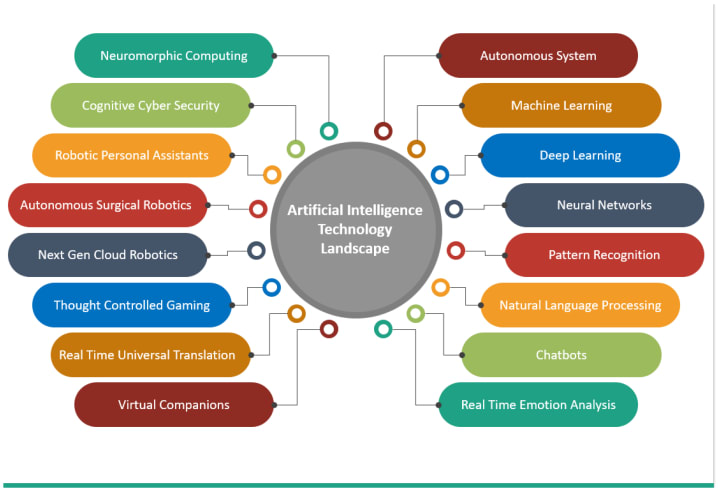
The next frontier in BIM and laser scanning for data center construction involves artificial intelligence and machine learning:
Automated Analysis
AI algorithms can:
- Automatically identify deviations between design and as-built conditions
- Predict potential construction issues based on historical data
- Optimize installation sequences for efficiency
- Generate reports and recommendations without human intervention
Predictive Maintenance
Machine learning models can analyze construction data to:
- Identify patterns that lead to equipment failures
- Optimize preventive maintenance schedules
- Predict system performance issues
- Support proactive facilities management
Generative Design
AI-powered generative design tools can:
- Automatically create optimal MEP routing solutions
- Balance competing objectives like cost, efficiency, and constructability
- Explore design alternatives that humans might not consider
- Accelerate the design process significantly
Conclusion
BIM and 3D laser scanning have become indispensable technologies in Meta's data center construction process. Together, they provide the precision, coordination, and documentation required to successfully deliver these highly complex facilities.
By creating accurate digital representations of both design intent and as-built reality, these technologies enable Meta to construct data centers faster, more economically, and with higher quality than traditional methods allow.
As these technologies continue to evolve and integrate with emerging capabilities like AI and IoT sensors, their role will only become more central to data center construction. For Meta and other hyperscale operators, investing in and mastering these digital construction technologies is not optional—it's essential to maintaining competitive advantage in an industry where infrastructure directly enables business success.
The facilities built today using these advanced technologies will serve Meta's needs for decades, making the upfront investment in precision and quality an enduring value proposition that pays dividends throughout the facility lifecycle.
About the Creator
Matt Sharon
A professional content writer. Having years of experience in Technology, health, finance, and construction and real estate field. Writing is my passion and I love to play with words Confidently.
Keep reading
More stories from Matt Sharon and writers in Education and other communities.
Bridging Real and Virtual Construction: How 3D Laser Scanning Powers Digital Twins
In today’s digital construction ecosystem, the boundary between the physical and virtual world is blurring rapidly. The rise of Digital Twin technology—a real-time, data-rich virtual replica of a built asset—is transforming how architects, engineers, and contractors manage projects from design through operation.
By Matt Sharon4 months ago in Education
Part IV : Snippets of Somers Teachers
Click link for Photos from the 1970s https://rmonetti.blogspot.com/2022/11/somers-in-70s.html Mr. Carr. I never had the pleasure of going into Mr. Carr’s inner sanctum and receive introduction to his paddle. That said, as Junior High students we did all we could to not get to know Mr. Carr any better than you did. But he knew you. In transit, he’d look you in the eye, call you by name and always asked how you were doing. In other words, he gave us the respect we were due, and the sincerity had a message that was clear as day. Mr. Carr cared about every single one of us and that was really the foundation of the pulpit he sat on for the students of Somers Junior High.
By Rich Monettia day ago in Education
Why Workplace Safety Is Quietly Becoming a Business Survival Factor in Abu Dhabi’s Industrial Sector
Something has changed in how industrial projects are awarded in Abu Dhabi. It is not always written clearly in tender documents. But companies feel it during vendor reviews, site audits, and client meetings. Workplace safety is now being treated as a signal of how stable and reliable a company really is.
By Umar Quality Jounal6 days ago in Education



Comments
There are no comments for this story
Be the first to respond and start the conversation.