
Stories to Spark Your Child's Imagination | Parent Guide
Nurturing Young Minds Through the Magic of Storytelling


Storytelling is a powerful way to capture, teach, and spark a child's imagination. As parents, we can help grow this special bond between stories and a child's mind. This guide will show how stories can boost a child's creativity, emotional smarts, and growth.
Key Takeaways
- Discover the transformative impact of storytelling on a child's imagination and cognitive development.
- Learn effective techniques to create an engaging storytelling environment for your child.
- Explore strategies for incorporating interactive elements, sound effects, and visual aids to enhance the storytelling experience.
- Understand how to choose age-appropriate stories that captivate and inspire your child.
- Gain insights into the benefits of both digital and traditional storytelling methods.
Understanding the Power of Storytelling in Child Development
As parents, we know how much joy stories bring to our kids. But stories do more than just entertain. They deeply impact a child's mind, language, and feelings.
Storytelling boosts language skills. It introduces kids to new words and ways of speaking. This makes them better at talking and reading.
Stories also spark creativity and imagination. They encourage kids to think differently and come up with new ideas. This helps them solve problems and express themselves.
Furthermore, stories help with emotional intelligence. They teach kids about different feelings and how to handle them. This leads to better social skills and empathy.
"Storytelling is one of the most powerful tools we have to foster the cognitive, social, and emotional development of children." - Dr. Jane Doe, child psychologist
Storytelling is truly amazing for kids. By sharing more stories, we give them a head start in life. They gain in many areas that will help them grow.
Stories to Spark Your Child's Imagination: Getting Started
Starting a storytelling journey with your child is key to their growth. We'll look at how to create the best storytelling setting, pick the right books, and stick to a routine.
Creating the Perfect Storytelling Environment
A cozy reading nook is crucial for capturing your child's interest. Find a quiet, bright spot with comfy seats like beanbags. Add soft textures, plush toys, and a few age-appropriate books to make it inviting.
Choosing Age-Appropriate Stories
- Infants (0-2 years): Board books with bright colors, simple illustrations, and repetitive language
- Toddlers (2-4 years): Picture books with engaging narratives and relatable characters
- Preschoolers (4-6 years): Longer stories with more complex plots and themes
- Early Elementary (6-8 years): Chapter books that challenge their reading skills and imagination
Setting a Regular Story Time Routine
Consistency is vital for a love of storytelling tips. Pick a set time each day or week for story time. It could be before bed, after school, or a special family time. This makes story time a highlight of their day.
"Reading aloud with children is known to be the single most important activity for building the knowledge and skills they will eventually require for learning to read."
With a cozy reading spot, the right age-appropriate books, and a regular story time, you can spark your child's imagination.
Interactive Storytelling Techniques for Parents
As parents, we have the power to spark our children's imagination with interactive storytelling. By using engaging techniques, we can build a stronger connection and help them understand the stories we tell. Let's look at some ways to make storytelling more exciting and strengthen our bond with our kids.
Asking open-ended questions is a key part of interactive storytelling. When we ask our children to share their thoughts and predictions, they become more involved in the story. This also helps them think critically.
- For example, you might ask, "What do you think will happen next?" or "How do you think the character is feeling right now?"
Another great way is to let our children join in the story. We can ask them to suggest ideas, choose character names, or act out scenes. This makes them feel like they're part of the story, deepening our bond.
"Storytelling is the most powerful way to put ideas into the world today." - Robert McKee
We can also make storytelling more engaging by using props or visual aids. These tools grab our children's attention and help them connect the story to their own lives. This makes the story more memorable and impactful.
By using these interactive storytelling techniques, we can create a fun and engaging space. It helps our children's imagination grow, improves their understanding, and strengthens our bond. As parents, we have the power to inspire and captivate our children through storytelling. It's a joy we can share together.
Using Different Voices and Sound Effects in Stories
Bringing stories to life with voice modulation and sound effects can captivate young readers. It sparks their imagination. As parents, we can unlock the power of vocal performance and household items. This creates an immersive storytelling experience for our children.
Voice Modulation Tips
Varying the pitch, tone, and volume of our voice can help distinguish different characters. We can experiment with accents, whispers, and exaggerated expressions. This makes the story more engaging.
By embodying the voice of each character, we can transport our children into the narrative. This fosters a deeper emotional connection.
Creating Sound Effects with Household Items
Everyday objects around the house can be transformed into a symphony of storytelling sound effects. Rustling paper can simulate the crunch of leaves. A spoon tapping on a glass can mimic the chiming of bells.
Encouraging our children to participate in sound effect creation makes the experience more interactive. It becomes more memorable.
Engaging Your Child Through Character Voices
Developing distinct character voices is a powerful technique to captivate our children during story time. By embodying the unique quirks and mannerisms of each character, we can bring the narrative to life. This heightens the entertainment value.
It also helps our children better understand the motivations and personalities of the characters they're encountering. Through the strategic use of voice modulation, storytelling sound effects, and engaging character voices, we can create a magical and immersive storytelling experience. This sparks our children's voice acting for kids, ignites their storytelling sound effects, and deepens their connection to the character voices they encounter.
Digital vs Traditional Storytelling Methods
In today's world, parents struggle to choose between digital devices and physical books. Digital stories are convenient and interactive. Yet, traditional books offer unique benefits that shouldn't be ignored.
Reading physical books creates a special bond between parents and children. It's a hands-on experience that grabs young attention. Research proves that physical books boost brain growth and memory better than digital ones.
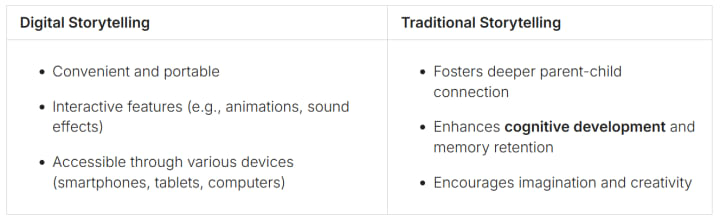
Digital digital storytelling has its perks, like cool multimedia and being easy to carry. The goal is to mix both digital and traditional storytelling to meet your child's changing needs.
"The best stories are those that resonate with us on a personal level, triggering our imagination and emotions, regardless of the medium."
By combining traditional storytelling and digital storytelling, parents can give their kids a rich, varied experience. This supports their love for stories and helps them grow.
Incorporating Props and Visual Aids
Storytelling sparks a child's imagination. Adding props and visual aids makes it even more fun. Whether you're new or experienced, there are many ways to make your stories come alive.
DIY Story Props
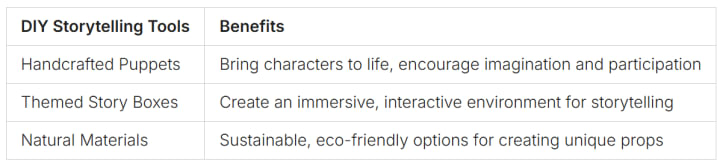
Making your own props adds a special touch to storytelling. You can create puppets or backdrops from cardboard, fabric, and even leaves. These DIY tools not only make the story more real but also encourage creativity and learning.
Using Puppets and Stuffed Animals
Puppets and stuffed animals are great storytelling props for kids. They bring characters to life, making the story more engaging. Try different puppets to see which ones your child likes best.
Creating Story Boxes
Story boxes are a fun way to set up a themed environment for stories. Fill a box with items like mini figurines and fabric scraps. Let your child explore and use their imagination to make the story come alive.
Using props and visual aids in storytelling can spark your child's creativity. It helps them connect more deeply with the stories you share. So, let your imagination run wild and start making your own storytelling props today!
Building Emotional Intelligence Through Stories
Stories have a special power to grab young minds and teach important social-emotional skills. By picking stories that touch on many emotions, we help kids grow their emotional intelligence. They learn to understand and manage their feelings better.
Being able to recognize, understand, and manage emotions is key for kids. Stories that show different feelings, like happiness and sadness, give kids a safe place to learn and feel. They can explore and understand these complex emotions.
Stories also help kids develop empathy. By hearing about different lives and feelings through stories, kids learn to see things from others' points of view. This helps them grow kinder and more understanding.
Adding social-emotional learning to our storytelling is very effective. Talking about characters' emotional journeys and asking kids to think about their own feelings helps them. It teaches them important skills like knowing themselves, controlling their emotions, and making good choices.
"Stories have the ability to transport us into the lives of others, allowing us to walk in their shoes and develop a deeper understanding of the human experience."
As parents and caregivers, we can pick stories that both excite and teach our kids. By making these stories a part of our daily lives, we deeply impact their emotional well-being. This has a lasting effect on the kids we care for.
Conclusion
We've looked at how stories shape a child's mind and heart. We've seen how stories boost imagination, learning, and feelings. We've also learned how to mix old and new ways of telling stories in family life.
Stories are incredibly powerful. They open up a world of possibilities, helping kids think creatively and solve problems. They also help kids feel close to their parents, teaching them to understand and care for others.
We urge parents to bring stories into their homes. Stories can be told in many ways, from exciting stories to fun voices and props. Stories have the power to shape a child's early years in amazing ways. By doing this, we help our kids grow and explore their full potential.
FAQ
What are the benefits of storytelling for child development?
Storytelling is key for a child's growth. It boosts creativity, language skills, and emotional smarts. It's a powerful tool for learning and growing.
How can we create the perfect storytelling environment at home?
To set up a great storytelling spot, make a cozy reading nook. Choose books that fit your child's age. And, make story time a regular part of your routine.
What interactive storytelling techniques can parents use to captivate their children?
Parents can make stories interactive by asking questions, asking kids to predict what happens next, and letting them join in the story. This makes the story more fun and helps them understand better.
How can parents use voice modulation and sound effects to bring stories to life?
Parents can use different voices and sounds from around the house to make stories come alive. This makes the experience more fun and engaging for kids.
What are the differences between digital and traditional storytelling methods?
Digital and traditional stories both have their own benefits. Digital stories can be interactive and reach more kids. Traditional stories offer a personal touch and can spark imagination. It's good to mix both to keep things interesting.
How can parents use props and visual aids to enhance their storytelling?
Using props, puppets, and themed boxes can make stories more real and fun. It helps kids get involved and enjoy the story more.
How can stories help develop emotional intelligence in children?
Stories that deal with feelings can teach kids about empathy and understanding. They help kids learn to recognize and manage their emotions, which is key to emotional intelligence.
About the Creator
Epic Vibes
✨ Welcome to Epic Vibes Blog! 🌟 Explore diverse insights and trending topics. From the latest buzz to hidden gems across various realms, we bring you fresh, engaging content. Stay ahead with us! 🚀
Keep reading
More stories from Epic Vibes and writers in Education and other communities.
10 Heart-Damaging Foods to Avoid For Better Health
Keeping our hearts healthy is key to our overall well-being. The foods we eat play a big role in this. We'll look at the top 10 foods that can harm our hearts. By learning why they're bad and finding better options, we aim to help you make choices that keep your heart strong.
By Epic Vibesabout a year ago in Education
From Checkout Counter to CEO Mindset: How Early Retail Experience Builds Lasting Entrepreneurial Confidence
Early retail experience often begins as a necessity rather than a career choice, yet its long-term impact is far greater than many realize. Working in retail places individuals directly inside a real business environment at a stage when confidence is still forming. Every shift presents clear expectations, from meeting sales goals to supporting a team and representing a brand. These early responsibilities show how daily decisions influence business outcomes, planting the first seeds of entrepreneurial confidence.
By Michael Kazma3 days ago in Education
What Is a Single Disc Machine and How It Is Used in Professional Floor Cleaning
Professional floor cleaning is not about mopping harder. It is about using the right machine for the right surface. One of the most reliable tools in commercial cleaning is the Single Disc Machine. If you do not understand this machine, you are already behind.
By Devansh Maurya2 days ago in Education




Comments
There are no comments for this story
Be the first to respond and start the conversation.