
THE COMMONWEALTH
Why Queen Elizabeth II was the queen of 15 countries

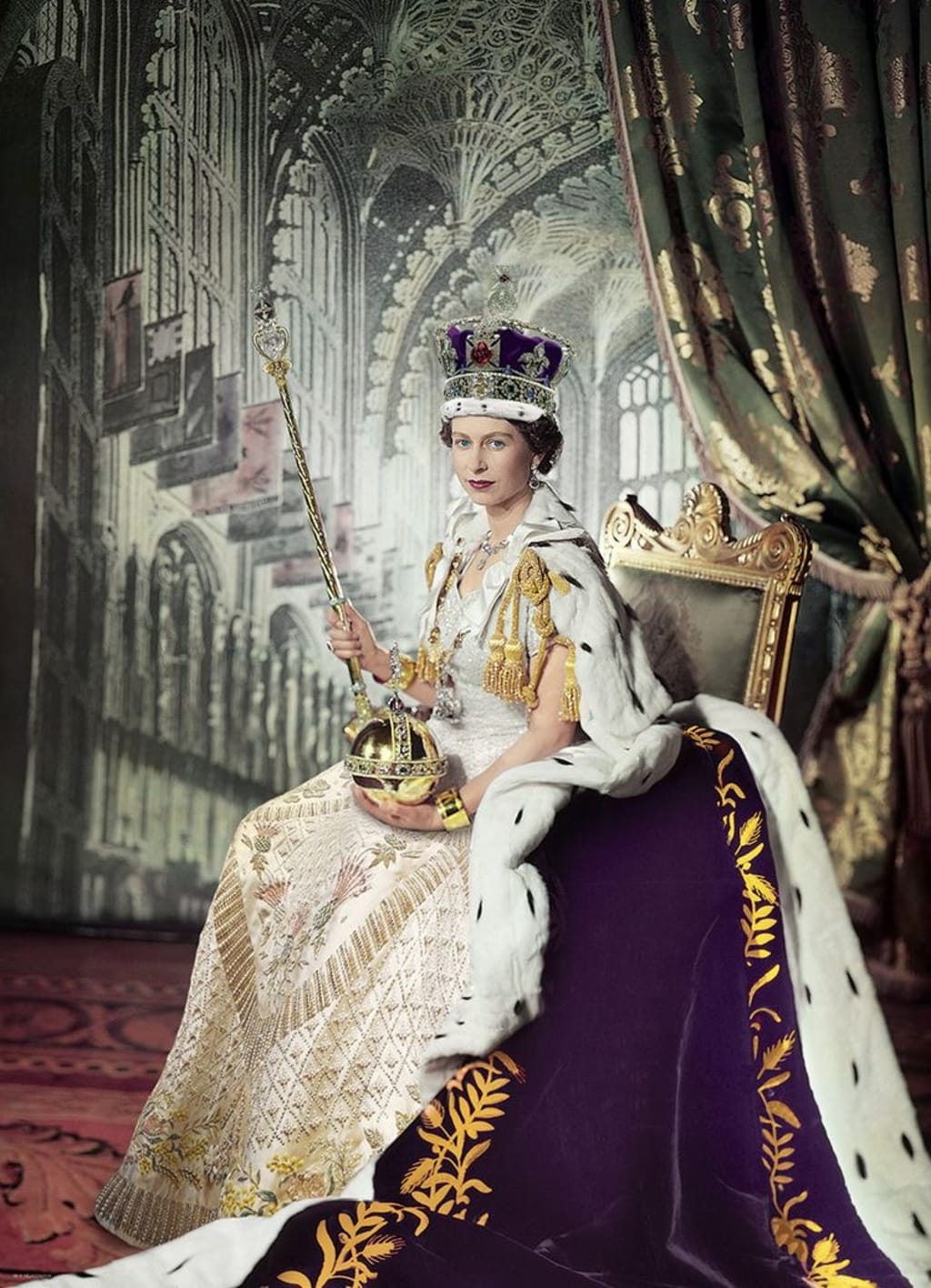
On November 30th, 2021, Barbados marked a historic moment by becoming the world's newest republic. With the declaration, "From this day and forever, declare Barbados a parliamentary republic," the country severed its over 350-year-long colonial ties to the British monarchy and lowered the queen's flag. Interestingly, Prince Charles was present at the event, emphasizing the importance of reaffirming enduring aspects despite the change. One such aspect was Barbados' decision to remain a member of the Commonwealth even after ending its status as a British Crown realm. The Commonwealth of Nations, comprising mainly former British colonies, was an organization in which the queen served as the head. As Barbados transitioned, it remained a part of this larger organization, representing a remnant of the British empire's legacy. The goal expressed by Prince Charles was to make this cherished ancient Commonwealth an even more remarkable entity.
To comprehend the transformation of the British empire and the significance of the Commonwealth, it is essential to delve into history. In 1926, when Queen Elizabeth II was born, the British empire governed nearly a quarter of the global population through its colonies. Over time, the British Empire developed systems to exert control and extract resources from these colonies, exemplified by the exploitation of African descendants on sugar plantations in Barbados and the extraction of diamonds from South African mines. However, by the early 20th century, signs of the empire's dissolution began to emerge. Settler colonies like Australia and Canada had transitioned into British dominions, symbolically remaining constitutional monarchies under the British Crown. This arrangement was termed the British Commonwealth and eventually became the future of the British Empire.
When Queen Elizabeth ascended to the throne in the 1950s, she faced a changing world. Britain's economy was struggling after World War II, and independence movements were gaining momentum across the empire. For instance, India's leaders had long been fighting for sovereignty, while in Kenya, millions of people were forced into concentration camps during the fight against British rule. Realizing the inevitability of decolonization, the monarchy focused on maintaining relevance. Although Queen Elizabeth did not attend the lowering of the British flag, her family members, such as Prince Philip, participated in various ceremonies commemorating the independence of former colonies, including Kenya. India, given the choice, decided to become a republic and rejected the continuation of the monarchy. To preserve ties, the British Commonwealth underwent a transformation. During her first major royal tour as head of the Commonwealth, the queen emphasized that the Commonwealth differed greatly from past empires and was a new concept. Consequently, the organization changed its name to the Commonwealth of Nations, allowing countries no longer under the queen's rule to join as members. Simultaneously, newly independent nations could opt to retain the queen as their ceremonial head of state, becoming commonwealth realms, as seen in the case of Barbados. This arrangement comprised a mix of monarchies and republics, with the queen presiding over the Commonwealth and continuing the tradition of conducting royal tours. In essence, while the British empire underwent decolonization, the monarchy remained globally influential.
Today, approximately one-third of the world's population resides in a Commonwealth nation. While some countries have chosen to leave the Commonwealth, others have joined, despite not having been former British colonies. This interest stems from the Commonwealth's role as one of the world's largest political organizations, providing a platform for countries seeking to amplify their voices or gain access to influential diplomatic players such as the UK, India, Canada, or the monarchy itself. It is worth noting that although King Charles III was chosen as the next head of the Commonwealth by its members, this decision was not obligatory, and anyone can lead the organization. This leaves open the possibility that the Commonwealth, originally established
About the Creator
Nelson Domi
"Words weaver. A curious guy with a pen and a passion for sharing stories. Join me as we embark on a journey through captivating stories, thought-provoking insights, and extraordinary experiences. Unveiling the world, one word at a time🙃."
Keep reading
More stories from writers in Education and other communities.
Hepatitis C: The Silent Virus That Affects Millions Worldwide
What if you were carrying a dangerous virus for years without knowing it? Millions of people around the world are living with Hepatitis C without showing any clear symptoms. This silent virus slowly attacks the liver and can remain undetected for decades, causing serious health problems if left untreated. Despite its severity, Hepatitis C is now considered one of the most curable viral diseases thanks to modern medical advancements.
By Antonuos Zarey4 days ago in Education
Swinging Through the Storm: The Emotional Landscape of Golf
Golf is a game of precision, patience, and subtle mastery. On the surface, it is a serene walk across green landscapes, interrupted only by the occasional swing of a club. But anyone who has spent time on a golf course knows the truth: beneath the calm exterior lies an intense emotional journey. Golf is a sport where emotions are not just present, they are central. It lays bare the player's temperament, testing not only physical skill but also the capacity to remain emotionally composed amid challenges both big and small.
By Jeb Kratziga day ago in Education
After the Storm
After the storm of winter snow there sat a small bear by the name Ted, of course. He loves the snow and likes to roll around in it making all sorts of trails and whatever he has a mind to do. He wondered where all the people are, but in a way, he is hoping that they are all snug in the homes maybe drinking hot chocolate-one of his favorite drinks with mini-marshmallows and eating something homemade for he likes this winter wonderland all to himself to romp and play and maybe even catch some fish down by the river.
By Mark Graham6 days ago in Fiction



Comments
There are no comments for this story
Be the first to respond and start the conversation.