
Why Do YouTube Channels Get Demonetized?
Common Reasons Behind YouTube's Monetization Restrictions

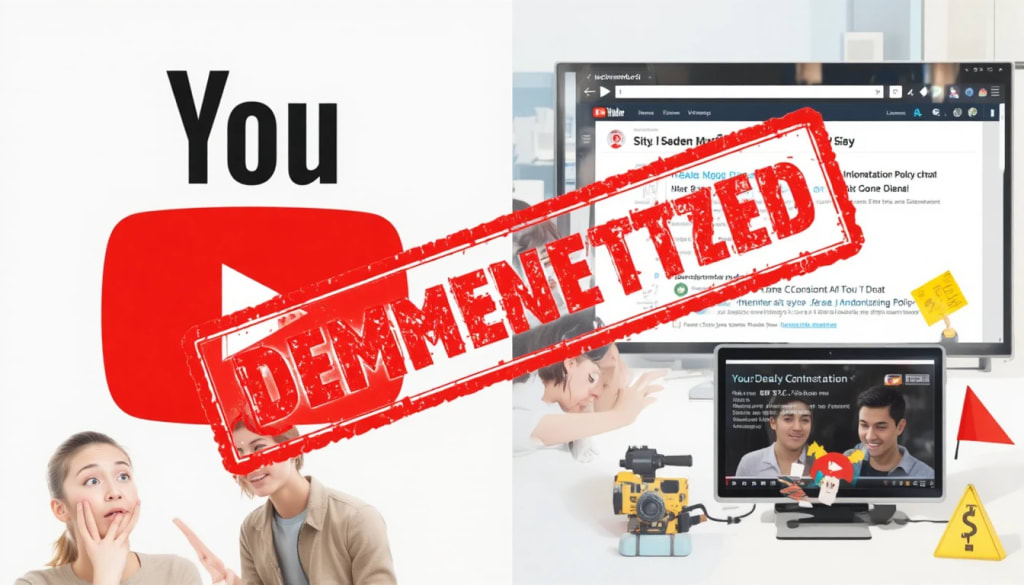
Why Do YouTube Channels Get Demonetized?
YouTube has become one of the most popular platforms for content creators to share videos and earn money through ads. However, many creators have experienced the frustration of having their channels or specific videos demonetized. If you're a content creator or someone interested in how YouTube's monetization system works, understanding why channels get demonetized can help you avoid common mistakes and ensure your content stays eligible for revenue.
What Does "Demonetized" Mean?
Demonetization on YouTube refers to the removal of a channel or a video’s ability to earn money from ads. This typically happens when YouTube determines that a video or channel violates its policies or doesn't meet certain guidelines for ad revenue. It’s important to note that demonetization doesn’t remove the video itself; the video can still be viewed, but creators lose the potential for advertising revenue.
Common Reasons for Demonetization
Content Violating YouTube's Community Guidelines
YouTube has strict rules about what content is appropriate for its platform. Videos that promote hate speech, violence, harassment, or graphic content are likely to be demonetized. Even seemingly minor violations, such as a video containing offensive language or inappropriate gestures, can trigger demonetization.
YouTube’s Community Guidelines are designed to create a safe and respectful environment for all users. Content creators need to be aware of these rules to avoid unintentionally violating them.
Inappropriate or Adult Content
One of the most common reasons for demonetization is the presence of inappropriate or adult content. YouTube has a policy that restricts monetization on videos that are sexually suggestive or contain explicit language. This includes videos with nudity, explicit language, or sexual themes. Although YouTube allows certain mature content, videos that discuss sensitive topics need to be appropriately marked as “mature” to avoid being demonetized.
The platform also restricts monetization on videos that feature sexually suggestive content, even if the content is not explicit. This includes topics like "pranks" or "challenges" that may involve inappropriate behavior or overly suggestive content.
Harmful or Dangerous Content
Content that encourages harmful or dangerous behaviors, such as self-harm, illegal activities, or violence, is also at risk of being demonetized. For example, videos that showcase reckless driving, dangerous stunts, or promote unsafe behavior can be flagged by YouTube's algorithm or viewers, leading to demonetization.
Copyright Violations
Using copyrighted material without permission is a serious issue on YouTube. If a creator uses someone else's copyrighted music, video clips, or artwork without the proper rights or licensing, their content is at risk of being demonetized. YouTube’s Content ID system scans videos for copyrighted content and can automatically remove or demonetize videos that violate copyright laws.
Even if a video falls under "fair use," creators need to be careful about how they use copyrighted material, as YouTube may still demonetize the video if it doesn’t meet its criteria for fair use. It's always a good idea to use royalty-free music and media or get proper permission for any copyrighted content.
Fake Engagement or Clickbait
Another reason for demonetization is the use of misleading titles, thumbnails, or tags, also known as clickbait. If YouTube determines that a video misrepresents its content or tries to deceive viewers into clicking on it, the video could be demonetized.
Similarly, using fake engagement tactics, like buying views or subscribers, can lead to demonetization. YouTube wants to ensure that the content and engagement are genuine, and any attempt to manipulate the system can result in penalties.
Political or Controversial Content
Videos that discuss sensitive political issues or controversial topics may face demonetization, especially if they don't follow YouTube’s rules about sensitive content. YouTube tends to be cautious when it comes to content that may incite political violence, spread misinformation, or contribute to heated online debates.
While creators are allowed to express their political opinions, YouTube can demonetize videos that are deemed to violate their rules about hate speech, bullying, or misleading content. This has become more common in recent years, as YouTube continues to crack down on the spread of misinformation.
Changes in YouTube's Monetization Policies
YouTube regularly updates its monetization policies, and sometimes, videos or channels that were previously monetized might lose that privilege after policy changes. This can happen without warning and may affect creators who don’t keep up with the platform's shifting rules.
For instance, YouTube introduced stricter rules for advertisers in 2017, limiting ads on content related to sensitive topics like violence, religion, and politics. These changes may cause a sudden shift in which content is eligible for monetization.
How to Avoid Getting Demonetized
To avoid demonetization, creators must follow YouTube’s guidelines and policies carefully. Here are some tips to keep your content monetizable:
Familiarize Yourself with YouTube’s Policies
Always read and follow YouTube’s Community Guidelines and Monetization Policies. Stay updated on any changes to the platform’s rules and adjust your content accordingly.
Use Copyright-Free Content
Ensure that the media you use in your videos, such as music, images, or video clips, is copyright-free or properly licensed. You can find many resources for royalty-free content to avoid copyright issues.
Avoid Inappropriate Content
Be mindful of the language, topics, and themes in your videos. Avoid anything that could be considered inappropriate, offensive, or harmful. Make sure to mark videos with sensitive content as “mature,” if applicable.
Stay Genuine
Don’t use clickbait tactics or fake engagement methods. Make sure your content accurately reflects what you’re offering, and avoid misleading your viewers.
Review Video Content Before Publishing
Always double-check your videos before uploading to ensure they meet YouTube’s standards. YouTube offers a "monetization check" tool that can help determine whether your video is likely to be demonetized.
Conclusion
Demonetization is an unfortunate reality for many YouTube creators. It can be frustrating to see your content lose its revenue potential, especially when it feels like you’re following the rules. However, by understanding YouTube’s policies and being careful about the content you create, you can reduce the chances of demonetization and keep your channel in good standing. Regularly reviewing YouTube’s guidelines and staying up to date with changes can help you navigate the platform's ever-evolving rules and ensure your content continues to earn money.
About the Creator
Keep reading
More stories from Bilal Mohammadi and writers in Education and other communities.
REAB is Here
REAB – A New Era of Social Connection and Digital Empowerment** In a time when the digital world is shaping the way people connect, communicate, and create, a new platform is rising with a clear vision to bring innovation and authenticity to social networking. **REAB**, founded by **Rahmatullah Nuroz**, is more than just another online application—it is a modern digital space designed to connect people, ideas, and creativity on a single platform. Inspired by global platforms like Facebook, YouTube, and TikTok, REAB aims to combine their best features while adding unique innovations that respond to the needs of Afghan users and a global audience.
By Bilal Mohammadi3 months ago in Education
The Golden Crust China’s $132 Billion Bakery Revolution in 2026
For centuries, the Chinese breakfast was defined by steamed buns and rice congee, but in 2026, the aroma of sourdough and artisanal pastries is taking over the streets of Beijing and Shanghai. China’s bakery industry has transitioned from a niche curiosity into a massive economic powerhouse. According to the latest research, the China bakery products market size reached USD 91.7 Billion in 2025 and is now on a high-velocity path to reach USD 132.7 Billion by 2034. With a steady CAGR of 4.20% during 2026-2034, China is not just consuming bread; it is redefining the global standards of "East-meets-West" patisserie.
By Neeraj kumara day ago in Education
How to Donate Venison to Manna House in Huntsville
Donating venison is one of the most meaningful ways local hunters can give back to the community. In Huntsville, Manna House plays a vital role in turning legally harvested deer into healthy meals for families in need. If you have extra venison this season and want it to make a real difference, understanding the process helps ensure your donation is safe, legal, and impactful.
By Joe Sottolanoabout 10 hours ago in Education
A Letter to the Firestarter
Dear Firestarter, We can all see you, we've been watching you since you began. In case you didn't know we were here before you and we will be here after. We witnessed your rise, your setbacks, your guilt and your lies. We witnessed you start the fire.
By Donny Foley5 days ago in Poets




Comments (1)
good