
Why Multispectral Cameras Are Better Than Hyperspectral Cameras for Agriculture
Let's find out !
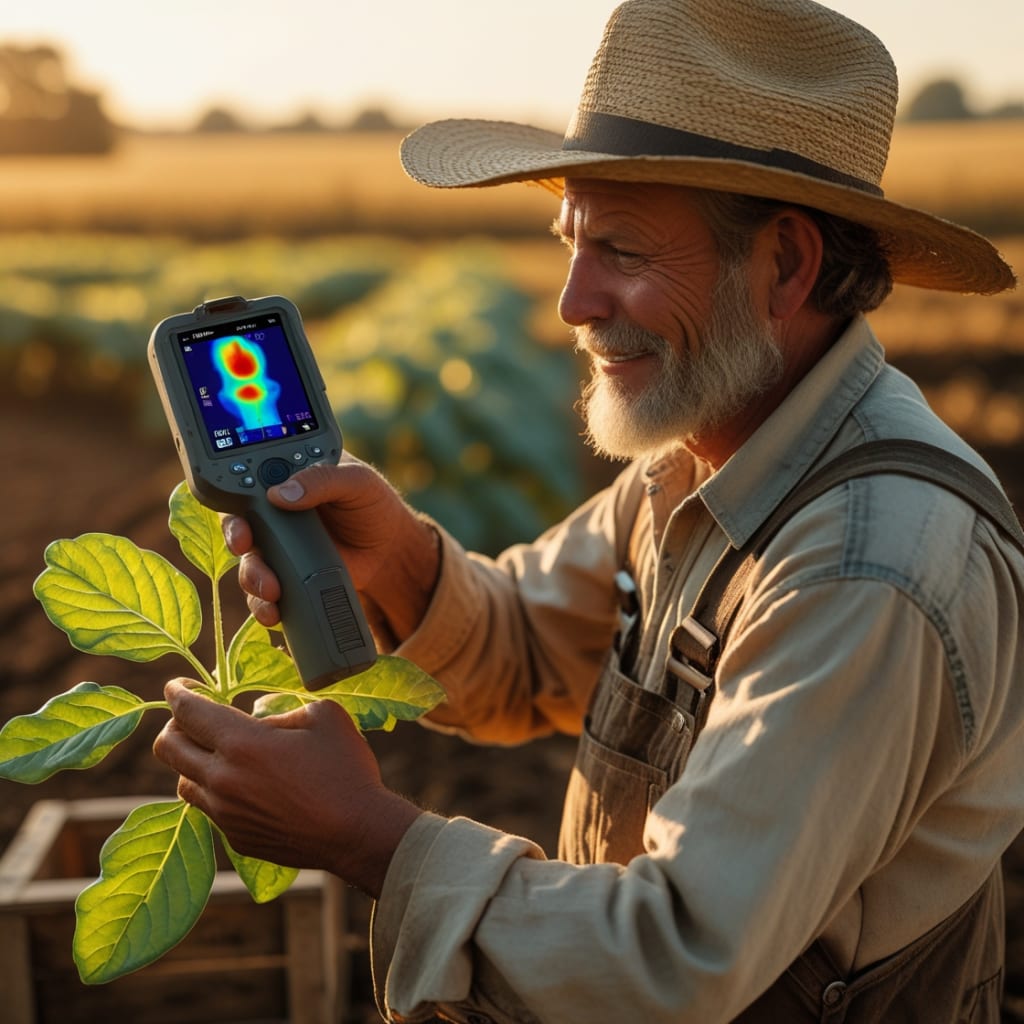
In today’s world of tech-savvy farming, your crops can get more attention than your favorite houseplant—and that’s a good thing! Thanks to advanced imaging tools, you can now see what your plants are feeling before they say a word. But with all this technology flying over your field (literally), it’s easy to get overwhelmed by the choices. One big question we often hear: should you go with a multispectral camera or a hyperspectral camera?
Let’s break it down in a way that actually makes sense—and helps you make a smart decision for your farm.
🌱 Psst—if you’re looking for the best multispectral camera coming soon, keep an eye on https://www.nexusanalytica.tech/! It’s worth the click.
Hyperspectral Might Be Smarter Than You Need
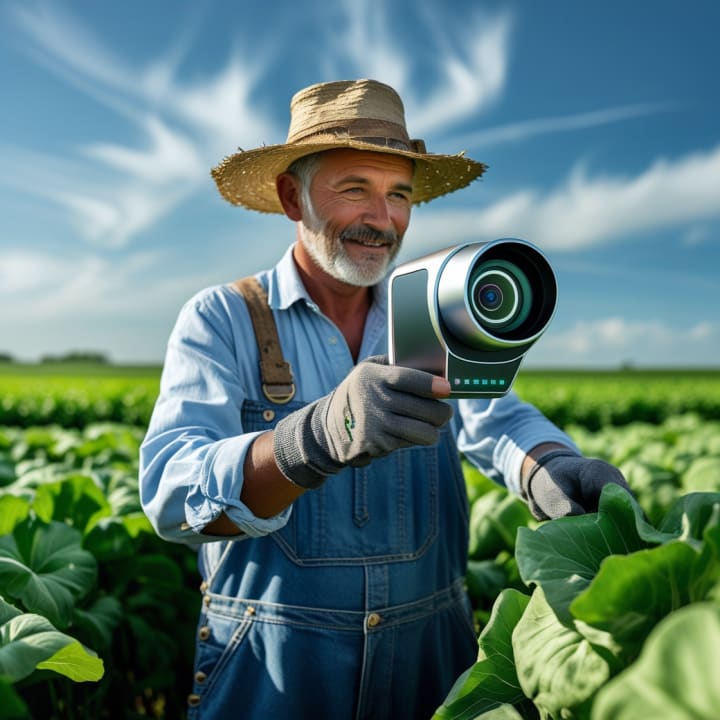
Now, we’re not here to pick on the hyperspectral camera. It's a fantastic piece of tech—think of it like a microscope for light. It scans hundreds of narrow spectral bands, giving you insanely detailed information on everything your crops are doing. Sounds fancy, right?
But here’s the catch. That much data can be overkill for everyday farming. Unless you’re running a research lab or decoding alien lettuce, all that extra info might just slow you down. Plus, hyperspectral images need serious computing power and special software to interpret. You’ll need a team—or a lot of coffee.
Meanwhile, a multispectral camera targets the key wavelengths you actually need, like near-infrared or red-edge. This means you get straight-to-the-point insights about crop health, stress, water levels, and more—with way less fuss.
Multispectral Means More Value for Your Money
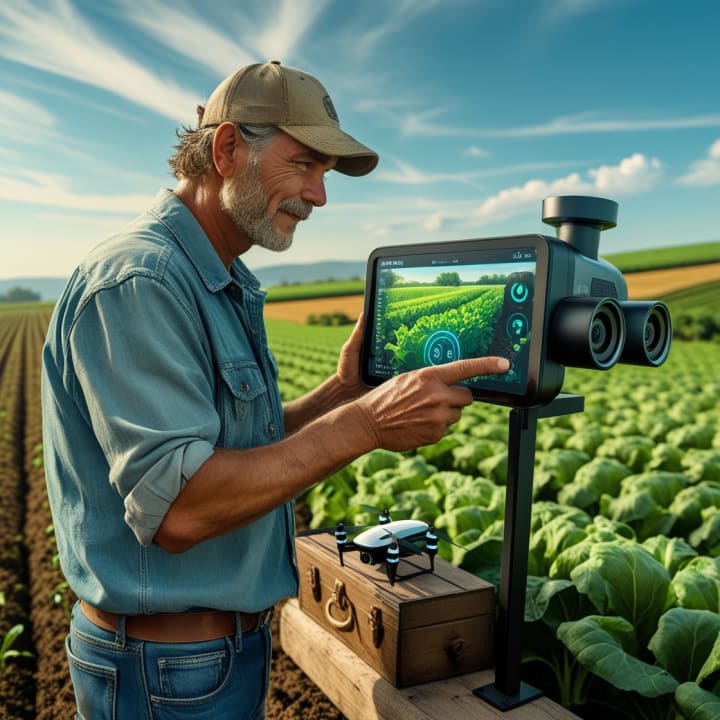
If you’ve ever bought farm equipment, you know this stuff isn’t cheap. And hyperspectral cameras? They can cost as much as a new truck. And that’s before you buy the software, the storage, and maybe a rocket scientist to help you interpret the data.
Multispectral cameras, on the other hand, are much more budget-friendly. They offer exactly what you need—just enough spectral detail to detect plant health issues, water stress, nutrient deficiencies, and pest outbreaks. You won’t need to drain your savings or delay your tractor upgrade.
So, why spend more to get buried in data you’ll probably never use?
🚁! Looking to save money and boost crop health at the same time? https://www.nexusanalytica.tech/ is cooking up a multispectral camera that’ll hit the sweet spot—don’t miss out!
Simple, Fast, and Farm-Ready

Farming is already a full-time job (and then some). You don’t need a camera that takes a PhD to operate. One of the best things about a multispectral camera is how easy it is to use.
You can mount it on a drone, fly over your fields, and get usable data the same day. The software is usually user-friendly, the images are simple to interpret, and the turnaround time is quick. It fits right into your daily routine—no rocket science required.
With a hyperspectral camera, expect a steeper learning curve, more complex file handling, and slower data processing. If speed and simplicity matter to you (and let’s be honest, they do), multispectral is the way to go.
You Get the Right Data—No More, No Less
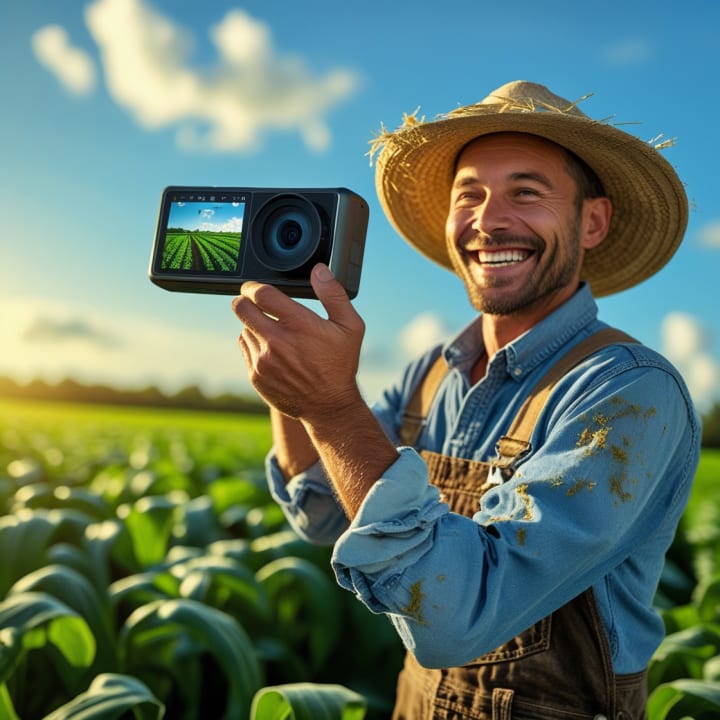
Think of a hyperspectral camera as that one friend who gives you a 20-minute answer to a yes-or-no question. Sure, it’s thorough, but did it help?
Multispectral cameras give you what you need to know and nothing extra. They focus on five to ten targeted bands of light that directly relate to plant health and field conditions. Whether you’re watching out for nitrogen deficiency or irrigation issues, a multispectral camera gives you a clear signal—without making your head spin.
It’s all about balance: high enough resolution to guide decisions, but light enough to keep things practical.
📸 By the way, if you want to stay ahead of the curve, https://www.nexusanalytica.tech/ has a next-gen multispectral camera coming your way. Bookmark it!
Hyperspectral for Science, Multispectral for Farming
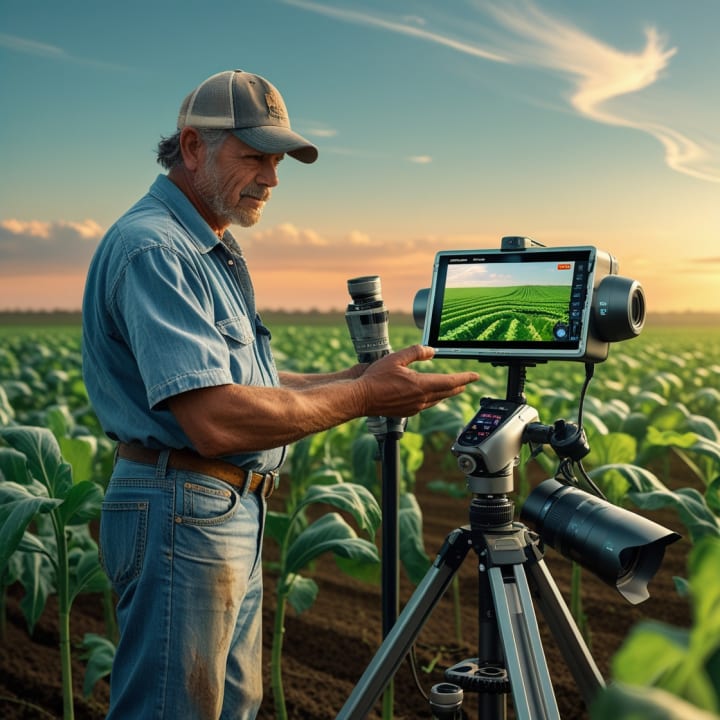
Let’s sum it up. Hyperspectral cameras are amazing—but usually way too complex, expensive, and time-consuming for real-world farming. They’re perfect for labs, researchers, and folks in white coats.
Multispectral cameras? They’re made for you. The farmer. The agronomist. The vineyard manager. They’re fast, affordable, reliable, and most importantly—they work.
So if you’re weighing your options, go with the camera that respects your time and budget. Let the lab techs worry about the 200-band images. You’ve got crops to grow.
And hey—want a multispectral camera that’s smart, rugged, and built for your farm? Check out https://www.nexusanalytica.tech/ for updates on the best tech coming soon.
About the Creator
Keep reading
More stories from writers in Education and other communities.
The Remarkable Legacy of Bessie Blount Griffin
In 1914, in the quiet community of Hickory, Chesapeake, a young girl named Bessie Blount began a journey that would eventually reshape the future of medical independence and forensic science. Born into a world where opportunities for Black women were exceedingly limited, she refused to let society dictate her path. Instead, she forged her own—brick by brick, challenge by challenge, invention by invention.
By TREYTON SCOTTabout 24 hours ago in Education
9 Predictive Control Systems In the AI-Enhanced Computer
The future of computing lives inside predictive control systems. These smart systems act like a brain for your machine. They do not just react to your clicks. They guess what you need before you even know it. This shift marks a massive leap in how we use technology today. Traditional computers wait for a command. AI-enhanced computers look at patterns. They study your habits and learn your rhythm. This makes the machine feel like an extension of your own mind. We are moving away from static tools toward active partners. These systems manage power and speed, and data with incredible precision.
By Olivia Barn5 days ago in Education




Comments