
Why Textile Recycling Is Becoming Essential for Sustainable Fashion?
The Shift Toward Circular Economy and Responsible Material Use

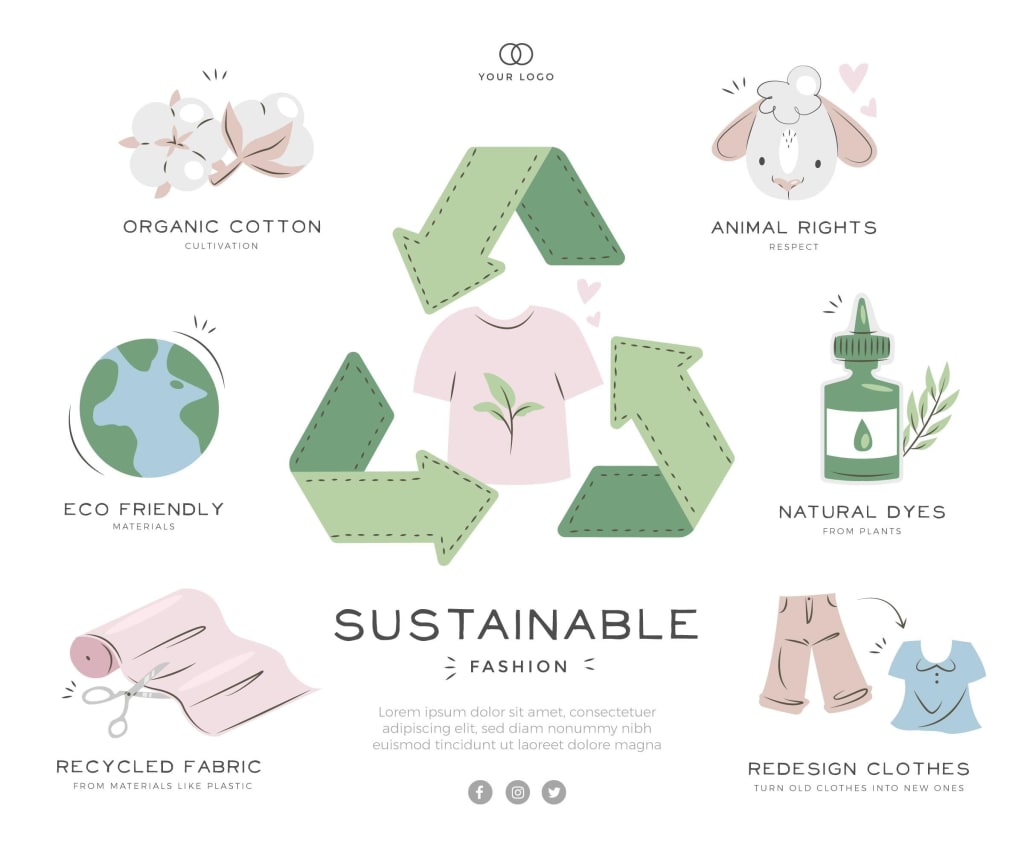
In the global fashion and textile industry, one of the biggest recent developments in creating a more sustainable system has been the creation of more textile recycling capacity and initiatives․ Companies and consumers are beginning to realize there are greater benefits to recycling discarded clothing and fabric scraps rather than throwing them away․
Textile recycling is the reuse of working fibers from used textile products to produce new textile products․ Such recycling is a component of the circular economy, in which used materials are maintained in use as long as possible․ The industry is also attempting to increase the lifespan of textiles to minimize the use of virgin materials․
Understanding What Textile Recycling Really Involves
Mechanical and chemical recycling are both types of textile recycling․ The mechanical process often involves shredding textiles into fibers, to be spun into yarns to be used again․ Chemical recycling breaks fibers down into their original constituents․
Recycled clothes can also be used to make new clothing, insulation, industrial wiping cloths, or new products․ Textiles are collected through charity donation programs or textile recycling facilities․
Key Factors Driving Textile Recycling
A primary reason is concern for the environment, as recycling reduces waste and resource depletion in a sector responsible for a large amount of waste․
Consumer demand for sustainability is another factor: many consumers are increasingly loyal to brands that show responsible sourcing and minimization of waste․
Additionally, pressures from corporate sustainability efforts and regulations are pushing businesses to adopt recycling in their supply chains․
The Role of Innovation and Material Science
Innovation is changing textile recycling regarding fiber separation technologies to recover materials from blended textiles․
Chemical recycling that can produce fibers of virgin equivalent quality, and digital tracking technologies that help brands verify recycled content, are also under development․
Collaboration between technology providers, manufacturers and retailers enables continuous efficiency and scalability improvements․
Click here if you want to know more about Textile Recycling Market
Changing Consumer and Industry Behavior
As shoppers become aware of disposal and take-back schemes, second-hand and resale systems can help to prolong product life and reduce waste․
Brands are increasingly using recycled materials and embracing transparent sustainable branding, while designers are experimenting with sustainable materials and modularity to ease future recycling․
Thus, sustainable consumption is critical for changing these habits․
Benefits of textile recycling include:
• Waste Reduction: Reduces waste going to landfill․
• Resource Conservation: Requires fewer raw materials for fibers․
• Lower Environmental Impact: Reduces water and energy usage in production․
• Brand Differentiation: Supports sustainability positioning․
• Circular Economy Support: Encourages long-term material reuse․
These benefits are consistent with global sustainability goals․
Regional Expansion and Infrastructure Development
Increasingly, regions are investing in recycling infrastructure and collection systems, with public-private partnerships being formed to improve the sorting and processing of these materials․
Cities often lead in this area, and rural communities typically follow over time․ International harmonization and cooperation lead to global standard
Challenges Facing Textile Recycling
Sorting mixed fibers and separating those that are used for blended fabrics may still be undesirable․ Economic viability depends on the ability to efficiently process fiber and consistent demand․
Voluntary participation by consumers determines how much is collected, which can be improved by consumer education/awareness․
Industry participants maintain a focus on balancing cost with quality and sustainability
Future Outlook of Textile Recycling
Textile recycling has been described as likely to see greater automation, improved chemical processing, and more common application throughout supply chains․
With the rise of circular economy models, better informed consumers, and favorable policies, more brands may consider closed loop production as a viable model․
Recycling textiles could be a major pillar of sustainable fashion and sustainable manufacturing․
Conclusion
Textile recycling is an important part of reducing the impact of the fashion and textile industries by recovering valuable materials for re-use and creating a circular economy in the industry․
With more innovation, collaboration, and consumer engagement, textile recycling will likely play an even larger role in the future of sustainable fashion․
About the Creator
deepanshu Thakur
A dedicated Market Research Professional specializing in in-depth analysis, industry forecasting, and strategic insights. Known for precision, reliability, and delivering research that adds real business value.
Keep reading
More stories from deepanshu Thakur and writers in Education and other communities.
Why Soft Skills Training Is Becoming Essential in Modern Workplaces?
As a result of digital transformation, globalization, and changing employee attitudes, the workplace is evolving․ Soft skills, in addition to technical skills, have become increasingly important for successful job performance․ Skills such as communication, teamwork, adaptability, and leadership are required in many different sectors․
By deepanshu Thakurabout 6 hours ago in Education
Understanding FSC 47 Pipe, Tubing, Hose, and Fittings in Aerospace Aviation
Introduction From my experience researching aviation components, I’ve realized how critical pipe, tubing, hose, and fittings are in the aerospace sector. These components form the backbone of aircraft hydraulic, fuel, and pneumatic systems. Without reliable aerospace fluid transfer systems, safe flight operations simply wouldn’t exist.
By Beckett Dowhan3 days ago in Education
Building Gig Economy Apps and Mobile App Development Los Angeles Regulations
Regulation rarely arrives before innovation. More often, policymakers react after technology reshapes daily life, attempting to balance opportunity with public interest. Nowhere is this tension more visible than in the gig economy, where mobile apps have rewritten how work is organized, compensated, and monitored.
By Nick William4 days ago in Education
When Amazon Says You’re a Disappointment
Yesterday, for the first Wednesday in months, I didn’t publish a piece on Vocal. Believe me, I wanted to. I had it all written up and ready to go. I was going to share the news that I had officially become a published author.
By Sandy Gillmana day ago in Writers


Comments
There are no comments for this story
Be the first to respond and start the conversation.